What should you look for when buying?
According to the European Commission, the EU energy label shows information including annual energy consumption, fridge and freezer capacity, and noise emissions. Use these details alongside the layout of the specific model.
| What matters when buying |
What to check |
Who should pay particular attention? |
| Accessible fridge space |
Measure the height of your containers; check the fridge capacity and adjustable shelves of the specific model. |
When we take turns cooking and chill leftovers for the next meal, I need easy-to-reach shelves for soup containers. Around 36% of consumers would put accessible fridge space for leftovers they’ll eat soon first. |
| Freezer space for portions |
Check the freezer capacity and drawers against the number of portions and containers you need; check the defrosting system of the specific model. |
When I prepare several portions for later cooking days, I want to be able to take them out separately. Around 29% of consumers prioritise freezer space for individually stored portions. |
| Ongoing electricity consumption |
Compare the annual consumption in kWh on the EU label with the fridge and freezer space you need. |
For an appliance that runs all the time, I want enough space without unnecessary capacity. Around 21% of consumers would prioritise running costs over the energy efficiency rating alone. |
| Fit in your kitchen |
Measure the available floor space or recess, including the door opening; for integrated models, check the recess dimensions and door fitting. |
If there’s only a fixed spot or an integrated recess available in the kitchen, the appliance needs to fit before I compare litres. Around 14% of consumers therefore put fitting the available space first. |
Fridge freezers at Joybuy
The Joybuy products below are fridge freezers. Compare their separately listed fridge and freezer capacities with your containers, planned portions and available space.
 No image available
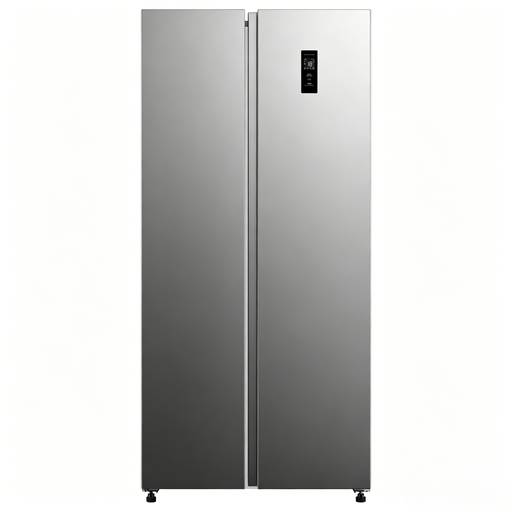
Sonlu CC-520WE side-by-side fridge freezer
The separate fridge and freezer compartments make it easy to compare space for leftovers you’ll eat soon with space for frozen portions.
444 l total capacity; 276 l fridge and 168 l freezer; No Frost; 83 cm wide; 40 dB; energy efficiency class E.
View at Joybuy
 No image available
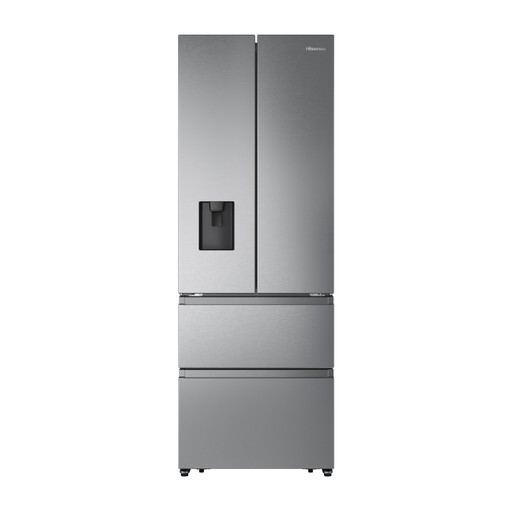
Hisense RF632N4WIE French-door fridge freezer
Separate fridge and freezer compartments make it easier to plan space for leftovers you’ll eat soon and portions for later.
336 l fridge and 149 l freezer; NoFrost Plus; 200 cm high; 38 dB; 295 kWh/year; energy efficiency class E.
View at Joybuy
 No image available
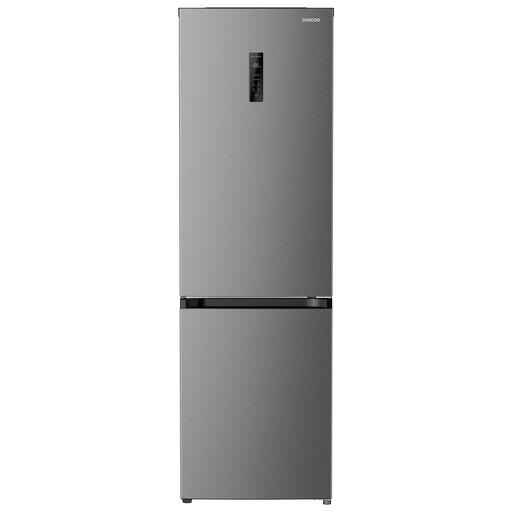
coocaa SRD-489CBEP fridge freezer
This fridge freezer has separate compartments for chilled leftovers and frozen portions.
344 l total capacity; 235 l fridge and 109 l freezer; Total No Frost; three freezer drawers; energy efficiency class E.
View at Joybuy
 No image available
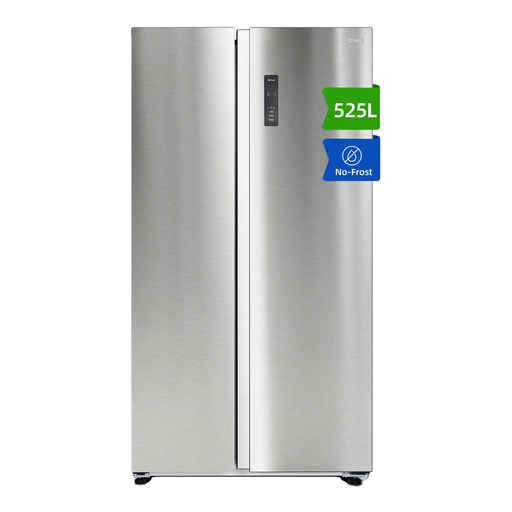
CHiQ JR525WSE side-by-side fridge freezer
The stated fridge and freezer capacities help you compare how much space you’ll need for leftovers and portions for later.
525 l total capacity; 333 l fridge and 192 l freezer; No Frost; 37 dB; energy efficiency class E; adjustable feet and reversible door.
View at Joybuy
 No image available
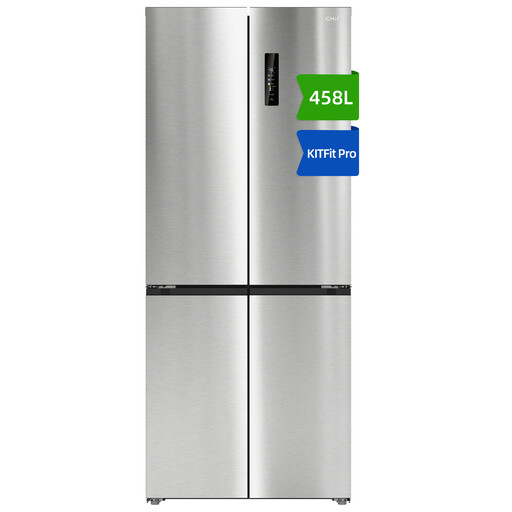
CHiQ JR460WSE cross-door fridge freezer
The separate compartments let you compare fridge space for leftovers you’ll eat soon with freezer space for portions you’ll need later.
458 l total capacity; 300 l fridge and 158 l freezer; No Frost; inverter compressor; 37 dB; energy efficiency class E.
View at Joybuy
Frequently asked questions
How should I store soup if someone else won’t be cooking again for a while?
Cool cooked food promptly outside the fridge, then refrigerate it. You can freeze suitable portions for later. The Federal Centre for Nutrition recommends labelling freezer containers with their contents and the date. The German Federal Institute for Risk Assessment points out that chilling slows or stops the growth of most bacteria, but it can’t make leftovers safe again if they’ve been handled incorrectly.
How full should I fill a container with soup before freezing it?
The Verbraucherzentrale recommends filling containers with liquid foods such as soup to only three-quarters full. This leaves room for the contents to expand as they freeze and helps prevent the container from splitting.
Does a LowFrost fridge freezer never need defrosting?
No. LowFrost on the Siemens KG39EAICA means less ice build-up; Siemens Hausgeräte also states that this model doesn’t have automatic defrosting. Check the care instructions and features of the specific appliance.
What does the EU energy label show for fridges in Germany?
For household refrigeration appliances covered by the scheme, the EU label uses a scale from A to G. The European Commission lists other information too, including annual energy consumption in kWh, fridge and freezer capacity, and noise emissions. The label must also be shown for covered products sold online.
What happens to my old fridge when I buy a new one?
The German Environment Agency says that when you buy a similar large appliance, you can return your old one free of charge, including when you buy online with delivery. Before buying, check with the retailer how to arrange a return or collection and how to prepare the appliance. Installation and connection services are separate.


