What should you look for when buying?
Start by considering the space you need for your usual portions of sauce, then check freezing capacity, energy consumption and kitchen dimensions. The consumer advice centres recommend matching freezer space to the quantities you actually plan to freeze; the EU energy label lists annual energy consumption and fridge and freezer volumes separately.
| Priority |
What to check when buying |
Who is this especially important to? |
| Freezer space for family portions |
Check the freezer volume and drawer shape against the containers you use. |
If I want to store several portions of sauce alongside my other frozen food, the usable drawer space matters. Around 36% of consumers put freezer space for family portions first. |
| Freezing capacity for new portions |
Check that the specific model has a four-star compartment and its freezing capacity in kg per 24 hours. |
If I often freeze several cooled portions at once, I want to choose a freezing capacity that suits the quantity. Around 29% of consumers prioritise freezing new portions. |
| Ongoing energy consumption |
Compare annual energy consumption and the separate fridge and freezer volumes on the energy label. |
If the appliance runs all year round, I want to assess its stated energy consumption alongside the storage space I need. Around 21% of consumers focus mainly on ongoing running costs. |
| Space and defrosting requirements |
Check the external or recess dimensions, installation type and whether it has NoFrost or LowFrost. |
If my kitchen has limited space or I want to defrost as rarely as possible, the dimensions and defrosting convenience need to suit my day-to-day life. Around 14% of consumers put these space or convenience considerations first. |
Fridge freezers at Joybuy
The Joybuy products below are fridge freezers to suit different kitchen layouts and freezer-space needs. For each specific model, check that it has a four-star compartment before freezing homemade sauce.
 No product image available
Exquisit KGC5232-60-E-040C Inoxlook-az
The four-star freezer compartment is specified in the product name and is relevant if you want to freeze homemade sauce. Also check that your containers will fit in the drawers. 173 l total volume; freestanding appliance.
View at Joybuy
 No product image available
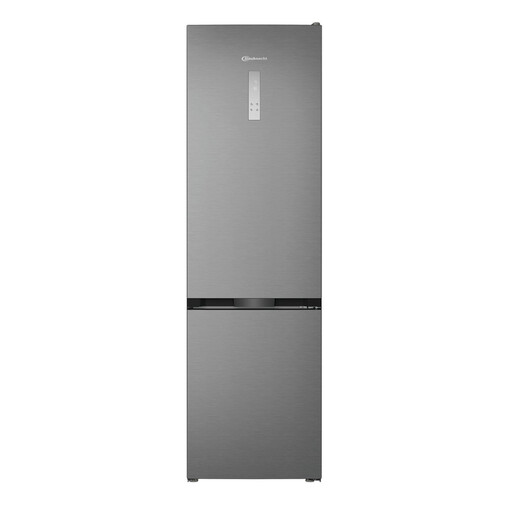
Bauknecht KGDNF 20CD IN
If you need extra freezer space and want to defrost less often by hand, the freezer compartment and Total NoFrost are useful features to consider. Before freezing fresh sauce, check that the specific appliance has a four-star compartment. 415 l total volume; freestanding.
View at Joybuy
 No product image available
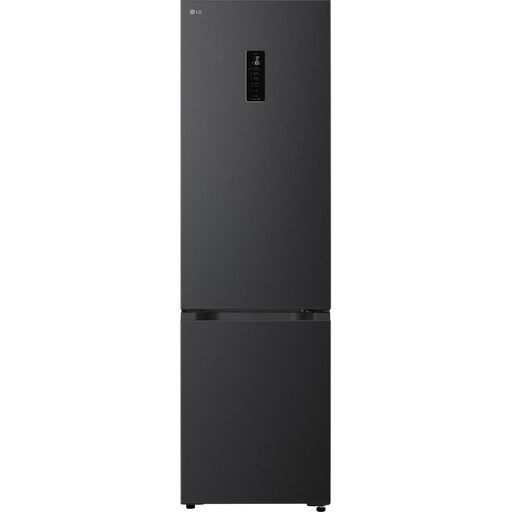
LG GBBS727AEV Fit&Max
If you’re looking for a freestanding fridge freezer, compare the freezer space you need with the energy consumption of the specific model. Before freezing homemade sauce, check that it has a four-star compartment. 375 l total volume; energy rating A according to the product name; black.
View at Joybuy
 No product image available
LG GBBSJ2CCPY 375L, Frost Free, ThinQ Silver, energy rating C
If you want to keep several batches of frozen food organised, freezer space and drawers are useful features to consider. Before freezing fresh sauce, check that the specific model has a four-star compartment. 375 l total volume; freestanding; Frost Free; energy rating C according to the product name.
View at Joybuy
 No product image available
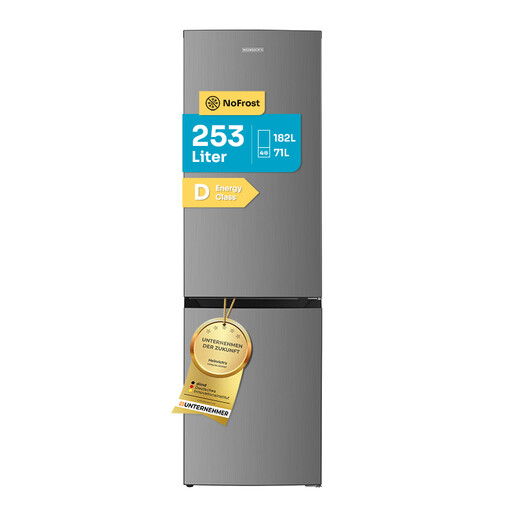
Heinrich’s fridge freezer, 253 l, No Frost
If you’re comparing freezer space and a No Frost feature, check that this appliance has a four-star compartment before freezing homemade sauce. 253 l total volume; 71 l freezer volume according to the product name.
View at Joybuy
Frequently asked questions
Can any fridge freezer freeze freshly made tomato sauce?
No. For freezing homemade sauce, the Federal Centre for Nutrition recommends a four-star freezer compartment. Three stars indicate that the compartment is suitable for long-term storage of food that is already frozen. You should also freeze the sauce in portions in suitable containers.
How should you prepare the sauce before freezing it?
According to the Federal Institute for Risk Assessment, cool hot food quickly to below 7 °C if you plan to store it for longer. The Federal Centre for Nutrition recommends measuring out the amounts you need and freezing them in portions; label the containers with the contents and date.
How full can you fill a container with tomato sauce?
For liquids, the consumer advice centres recommend filling the container to about three-quarters full, leaving enough room for the contents to expand as they freeze. Also check that the specific container is suitable for freezing.
How do I compare the energy consumption of a fridge freezer?
Compare the stated annual energy consumption in kWh and bear in mind that actual consumption may differ from the label’s standardised test conditions. To estimate your own costs, multiply the label value by your electricity price per kWh.
Which energy label applies to new fridge freezers sold online in Germany?
New fridges and freezers covered by EU rules must display their energy label in online shops too. The EU label uses a scale from A to G and shows details including annual energy consumption and fridge and freezer volumes; according to the EU website, second-hand products are exempt from this labelling requirement.


