Batch cooks
If you make vegetable stock in large quantities, you’ll need space to freeze several portions once it has cooled. The BZfE recommends dividing leftovers and batch-cooked food into portions to suit how you plan to use them later.


If you regularly freeze several portions of vegetable stock at once, don’t choose a fridge freezer based on total capacity alone. What matters is a four-star freezer compartment suitable for freezing, its freezing capacity and the drawer space you can actually use. The German Federal Centre for Nutrition (BZfE) specifies a four-star compartment for the freezing process itself. For smaller portions that you take out at different times, easy-access drawers may matter more than maximum capacity. The German Federal Institute for Risk Assessment (BfR) recommends cooling hot food quickly to below 7 °C before storing it for longer.
If you make vegetable stock in large quantities, you’ll need space to freeze several portions once it has cooled. The BZfE recommends dividing leftovers and batch-cooked food into portions to suit how you plan to use them later.
If people in your household cook on different days or at different times, individually labelled containers make it easier to find the right portion of stock. The BZfE advises labelling frozen portions with their contents, quantity and date.
If you need room for supplies but have limited floor space, weigh up the appliance dimensions, usable freezer space and annual energy consumption together. The consumer advice centre notes that an appliance’s size affects its energy consumption.
First, check that the specific four-star compartment is designed for freezing fresh food, and that its freezing capacity and interior space can accommodate your largest batch of stock. Then compare drawer access, annual energy consumption and the space available for the appliance.
| What you need | What to check when buying | Who is this most important for? |
|---|---|---|
| Freezing a batch of stock | Check the four-star compartment, freezing capacity in kg/24 h and usable volume separately. | If I freeze a large batch of stock at once, I need enough freezer space and containers that fit, without having to move the food I’ve already stored. Around 36% of consumers put freezing a whole batch first. |
| Finding individual portions | Check the number and accessibility of the drawers, as well as space for freezer-safe portion containers. | With different cooking schedules, I want to find and take out the right labelled portion quickly. Around 29% of consumers prioritise easy access to individual portions. |
| Balancing energy consumption | Compare annual consumption in kWh/a alongside the fridge and freezer capacity. | If low running costs matter to me, the freezer still needs to hold my usual portions. Around 21% of consumers prioritise annual energy consumption, provided there is enough space for their supplies. |
| Making room for the appliance and containers | Check the external dimensions, door-opening clearance and internal drawer dimensions against your available space and containers. | If my kitchen is short on space, I want to be sure that both the appliance and my stock containers will fit. Around 14% of consumers prioritise checking that everything will fit. |
Total capacity includes the fridge compartment too. Freezer capacity, whether your containers will fit and freezing capacity each answer a different question.
Check the freezer compartment and the model’s freezing capacity against the size of your largest usual batch.
With a large batch, you may need to freeze it over several sessions.
A freezing function doesn’t replace cooling food quickly before storing it for longer. The BfR recommends cooling hot food quickly to below 7 °C.
Plan cooling and portioning into your shared cooking schedule before putting the stock in the freezer.
The stated annual energy consumption is what matters for running costs, but the appliance must also offer enough usable freezer space. The consumer advice centre recommends considering energy consumption and your needs together.
Compare kWh/a figures for appliances that meet your space and storage needs, and check the delivery and connection services included with the specific offer.
The appliance uses electricity between freezing sessions too, and delivery and connection services can vary by offer.
Different versions of a model can have different key specifications, which may affect freezer space and kitchen planning.
Check the full model name against the product specifications instead of relying on details listed for another version.
According to Beko Germany, the B3RCNO255XB is an example of a 54 cm-wide fridge freezer with a bottom freezer compartment.
The KGN33NLEB Serie 2 is an example of a freestanding fridge freezer with a bottom freezer compartment and Total No Frost, according to Bosch Home Appliances Germany.
The freestanding CNsfd 5204 Pure NoFrost is an example of a fridge freezer for which Liebherr lists the external dimensions and total capacity.
According to Miele Germany, the KFN 4291 AD is a freestanding fridge freezer with NoFrost and a reversible door.
The KG39N2IAF and KG49NXIBF illustrate the range of freezer capacities, based on German manufacturer specifications.
The Joybuy offers below include fridge freezers with a range of freezer capacities and designs. For each model, check whether the freezer compartment is suitable for freezing fresh food and whether the drawers, containers and dimensions will work for your home.
 No image available
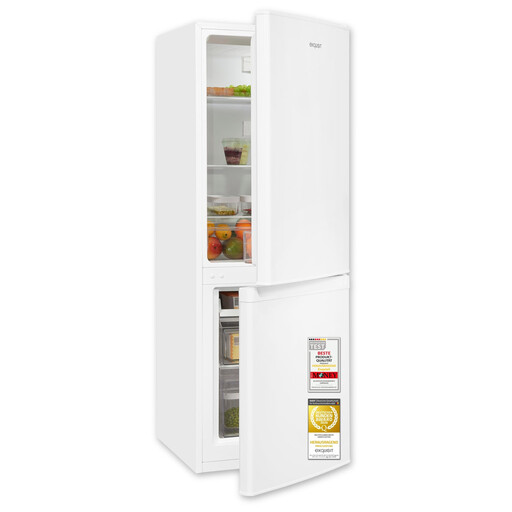
The three freezer drawers may make it easier to organise separate portions of stock. Check that your containers will fit.
The listing specifies a four-star freezer compartment, 113 l of freezer space and a fast-freeze function. Annual energy consumption is stated as 169 kWh, and the dimensions are 597 × 1860 × 674 mm.
 No image available
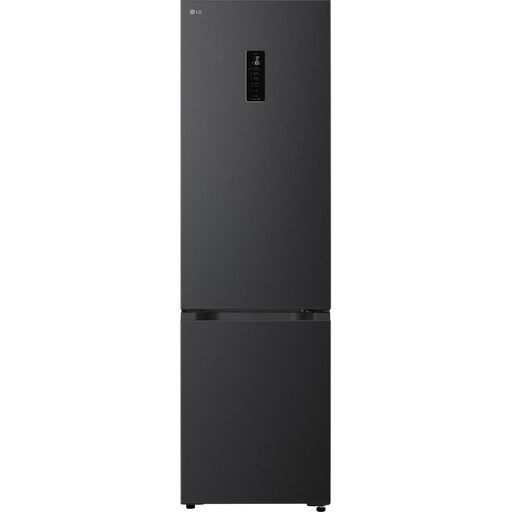
Its slim design may suit a kitchen with limited width. Check that the two drawers will fit your portion containers.
According to the product description, the four-star freezer compartment is suitable for freezing fresh food. The listed specifications include 52 l of freezer space, annual energy consumption of 194 kWh and dimensions of 142,5 × 49,5 × 56,0 cm.
 No image available
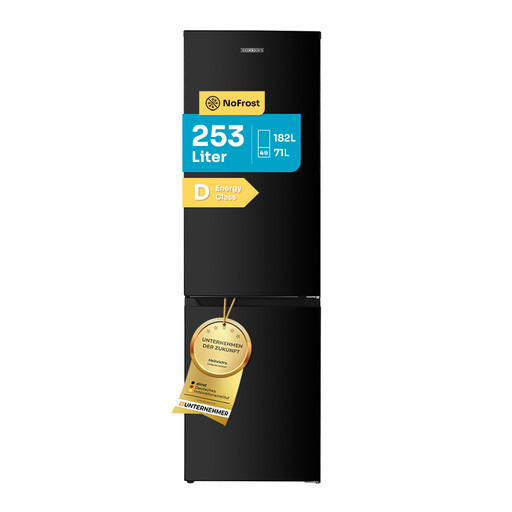
The stated freezer space may be useful if you want to store separate portions. Before buying, make sure the specific freezer compartment is suitable for freezing fresh food.
The listing specifies 113 l of freezer space, No Frost, Express Freeze and annual energy consumption of 112 kWh. The dimensions are 67,5 × 59,7 × 203 cm.
 No image available
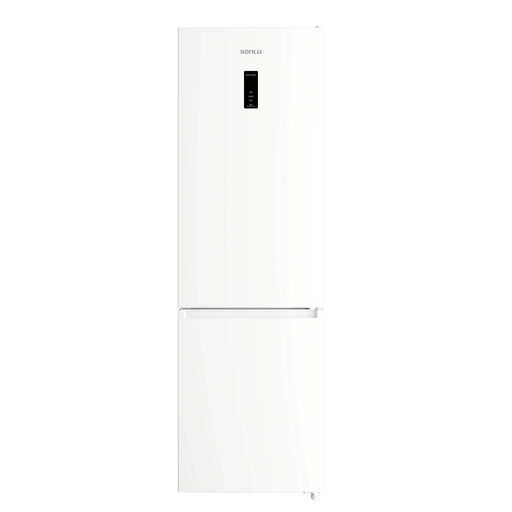
The listing mentions freezer boxes for organising your supplies. Before buying, check that the freezer compartment can freeze fresh stock and that your containers will fit.
The listed specifications include 71 l of freezer space, No Frost, 39 dB and a reversible door.
 No image available
The stated freezer capacity may help when planning to store several portions. Check that the specific compartment is suitable for freezing fresh food.
The listing specifies 103 l of freezer space, a Quick-Freeze function, a reversible door and energy efficiency class E.
No. For longer-term storage, the BfR recommends cooling hot food quickly to below 7 °C. Plan to cool and portion the stock before freezing it; a Super Freezing function is no substitute for this step.
For freezing food, the BZfE specifies a four-star compartment. According to the BZfE, three- and four-star compartments can be used to store food that has already been frozen for longer periods.
Once the stock has cooled, divide it into the quantities you’ll need later and use suitable freezer containers. The BZfE recommends labelling frozen portions with their contents, quantity and date.
Compare the stated annual energy consumption in kWh/a with the fridge and freezer space you need. Actual consumption also depends on how and where the appliance is used. Before ordering, check the specific terms for delivery, connection and removal of your old appliance.
Household refrigeration appliances are covered by EU energy-labelling rules. The label shows information including the energy class and consumption to help you compare products. The German Environment Agency lists local collection points that generally accept electrical waste free of charge. Also check the specific retailer’s take-back terms.