What should you look for when buying?
First check that there’s enough usable fridge space for your shopping and containers, then consider how much freezer space you really need, and finally compare the appliance dimensions and stated annual energy consumption.
| Priority |
What to check when buying |
Who is this important to? |
| Keeping portions safely chilled |
Space for several shallow dishes and a temperature setting you can check. |
If I want to chill freshly cooked pasta alongside my other shopping, I need room to portion it out and want to be able to check the temperature. Around 33% of consumers focus primarily on chilling cooked portions. |
| Fridge space for the weekly shop |
Compare the fridge capacity, usable shelves and door clearance with your shopping and containers. |
If I need to fit both groceries and prepared meals in the fridge, usable fridge space is what matters. Around 27% of consumers prioritise the amount of shopping they need to store. |
| Freezer space for future meals |
Check the freezer capacity separately and consider how many portions you plan to freeze. |
If I want to store cooked portions for another day, I check whether the containers and quantity will fit in the freezer compartment. Around 20% of consumers prioritise freezer space for future meals. |
| Appliance dimensions and energy use |
Check the appliance dimensions and compare the EU energy label and kWh/year for similar models. |
If space and running costs limit my choice, I compare suitably sized appliances by their dimensions and energy consumption figures. Around 20% of consumers focus primarily on energy use and appliance size in relation to their needs. |
Joybuy products for your cooling and freezing needs
These freestanding fridge-freezers combine fridge space for groceries and containers with a separate freezer compartment for portions you plan to eat later.
 No image available
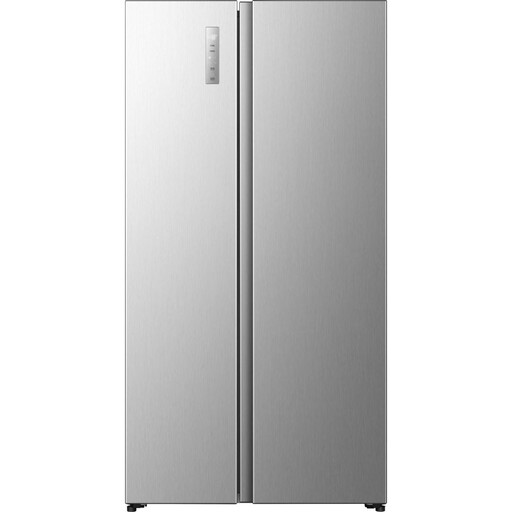
Hisense RS3P558NEIE, energy class E
Worth considering if you’re looking for a fridge-freezer for groceries and portions you want to store separately.
The product name lists energy class E.
View at Joybuy
 No image available
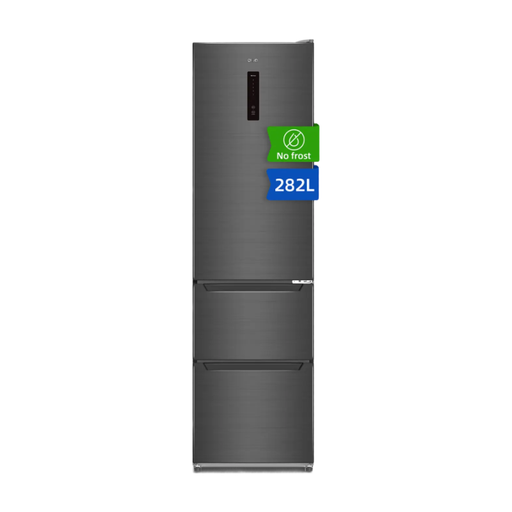
CHiQ CID282NEIBE, multi-door, 282 l
Could suit you if you’re looking for a freestanding fridge-freezer with a multi-door design.
The product name lists 282 l, a width of 54 cm, a height of 192 cm, energy class E and No Frost.
View at Joybuy
 No image available
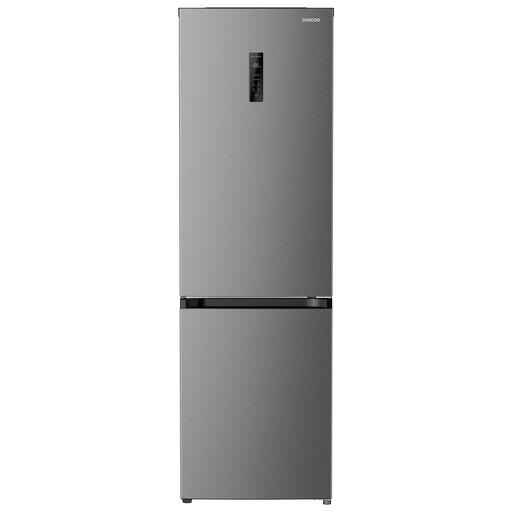
coocaa SRD-489CBEP, 344 l
Worth considering if you’re planning for fridge space for groceries and a separate freezer compartment for portions to eat later.
The product name lists 344 l, Total No Frost and energy class E.
View at Joybuy
 No image available
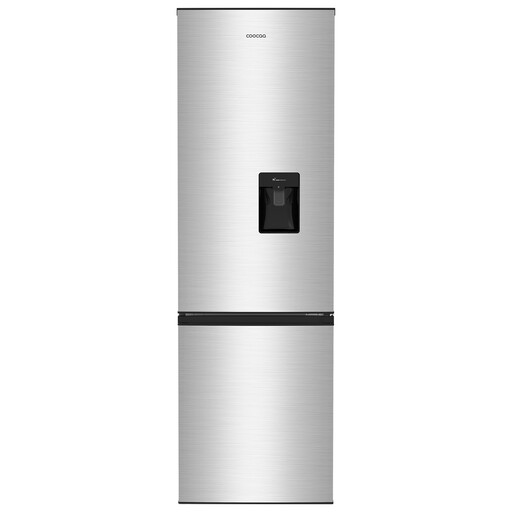
coocaa SRD-358DBD, 268 l, with water dispenser
An option if you’re looking for a fridge-freezer with a water dispenser and separate storage compartments.
The product name lists 268 l and energy class E.
View at Joybuy
 No image available
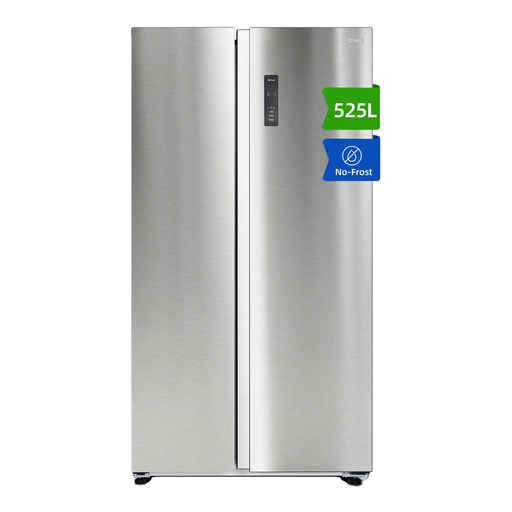
CHiQ JR525WSE, side-by-side, 525 l
Worth considering if you have enough space for a side-by-side appliance with separate fridge and freezer compartments.
The product name lists 333 l of fridge capacity, 192 l of freezer capacity and energy class E.
View at Joybuy
Frequently asked questions
How should I store cooked pasta after my food shop?
Cool cooked leftovers quickly and keep them in the fridge. The German Federal Institute for Risk Assessment recommends dividing larger quantities into shallow dishes, cooling them to below +7 °C within a few hours and eating them within two to three days.
Can I keep pre-cooked pasta in the fridge all week?
Don’t plan to do this. The German Federal Institute for Risk Assessment recommends eating leftovers within two to three days and notes that the risk increases the longer prepared food is stored. If you’re saving portions for later, make sure you have suitable freezer space.
What should I check when installing and using my fridge?
Check the appliance or niche dimensions and door fitting against the specific model. Once it’s installed, check the fridge temperature: the German consumer advice centre recommends setting it no warmer than seven degrees Celsius and consulting the user manual for the different cooling zones.
How do I compare energy consumption?
Compare the EU energy label, kWh/year and the separately listed fridge and freezer capacities for appliances that fit your space. To estimate your annual electricity costs, multiply the kWh/year figure by your electricity price per kilowatt-hour.
Can I put an old fridge in household waste?
No. The German Federal Ministry for the Environment advises that appliances must be collected separately and taken to an authorised facility, such as a local collection point. Whether a retailer will take back your old appliance depends on the legal requirements; check whether collection is available with your specific purchase.


