What to look for when buying
First, check that the middle fridge compartment is easy to reach and that the appliance will fit in your space. Then compare the freezer capacity and annual energy consumption with your actual needs.
| What you need |
What to look for when buying |
Who is this important to? |
| Easy-to-reach fridge space for yoghurt |
Check the layout of the fridge compartment and the middle shelf; the Verbraucherzentrale recommends storing yoghurt at 5 to 7 °C in the middle compartment. |
If I’m preparing portions for several days, I want to store them at the right temperature and within easy reach. Around 36% of consumers put usable fridge space first. |
| The right dimensions and compartment layout |
Check the height, width and depth against the space available; consider fridge and freezer capacities separately. |
If my kitchen has limited space, I want the appliance dimensions to work with the storage capacity I need. Around 29% of consumers prioritise how well the appliance and its interior fit their needs. |
| Ongoing energy consumption |
Compare the stated annual consumption in kWh/a and the separate compartment capacities for the specific model. |
When choosing an appliance that runs all the time, I want to balance its energy consumption against the size I need. Around 21% of consumers focus primarily on ongoing energy consumption. |
| Freezer space and defrosting |
Check the freezer capacity and the exact defrosting technology used by the model; lowFrost does not mean you’ll never need to defrost it. |
If I use the freezer regularly, I want enough space and as little defrosting as possible. Around 14% of consumers prioritise freezer capacity and easy defrosting. |
Fridge-freezers at Joybuy
These models offer different combinations of fridge space, freezer capacity and defrosting technology to compare with your available space and storage needs.
 No image available
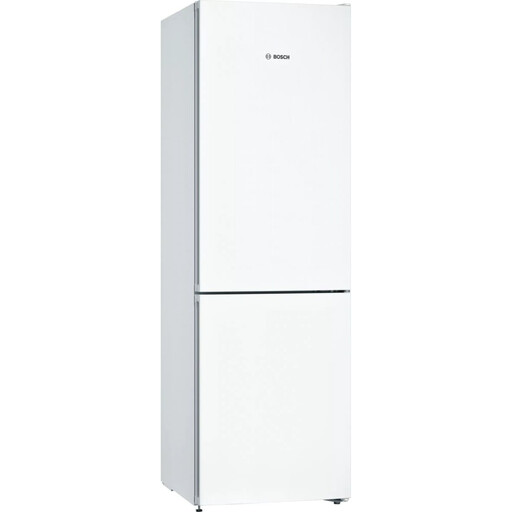
Bosch Serie 4 KGN36VWED fridge-freezer, 326 l, NoFrost, energy class E
Worth comparing if you’re planning to store other chilled food as well as yoghurt and need a freezer compartment; check whether the shelves make the middle compartment easy to reach.
Product name specifies: 326 l total capacity, NoFrost and energy class E.
View at Joybuy
 No image available
LG GBBSJ1CCPY fridge-freezer, 333 l, Total No Frost, energy class C
Could be worth comparing if you’re considering your other fridge and freezer needs as well as yoghurt; make sure the freezer space suits the amount you actually store.
Product name specifies: 333 l total capacity, Total No Frost and energy class C.
View at Joybuy
 No image available
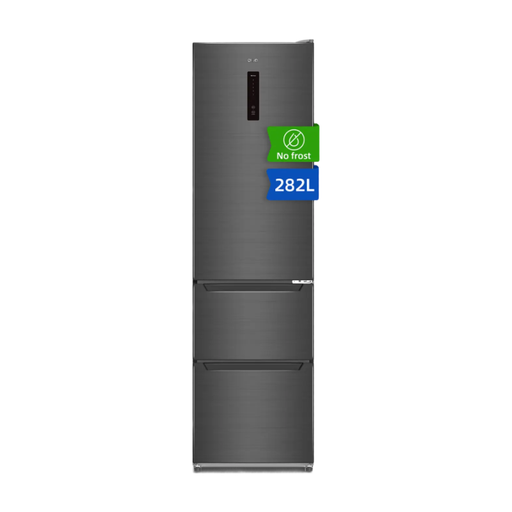
CHiQ CID282NEIBE multi-door fridge-freezer, 282 l, 54 cm wide, 192 cm high, energy class E
Worth comparing with a multi-door model; check the dimensions against the space available and make sure the stated fridge capacity suits the portions you’re planning to store.
Product name specifies: 282 l, 54 cm wide, 192 cm high, No Frost and energy class E.
View at Joybuy
 No image available
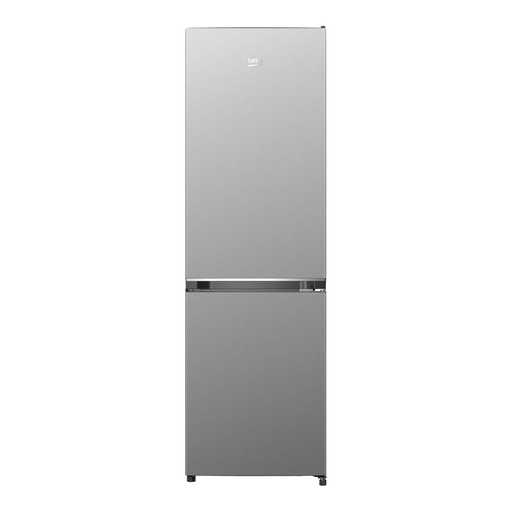
Beko B3RCNO255XB fridge-freezer, 250 l (180 l fridge space/70 l freezer space), No Frost, energy class D
The separate capacity figures make it easier to compare fridge space for yoghurt with the amount of freezer space you actually need.
Product name specifies: 250 l total capacity, 180 l fridge space, 70 l freezer space, No Frost and energy class D.
View at Joybuy
 No image available
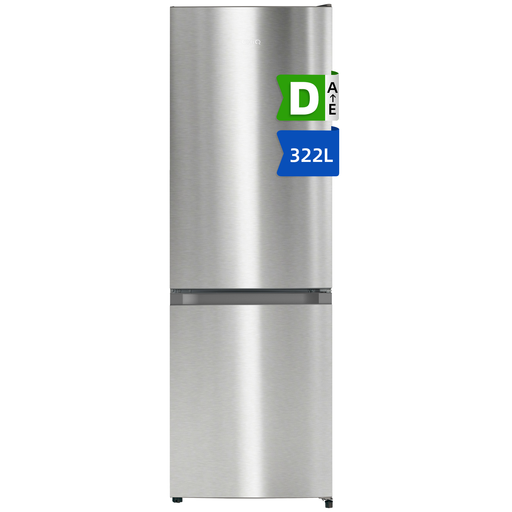
CHiQ JR318WSD fridge-freezer, 322 l, Total No Frost, 70/30, energy class D
Worth comparing if you need freezer space that you’ll use regularly as well as room in the fridge; check the dimensions against the space where you plan to put it.
Product name specifies: 322 l, Total No Frost, 70/30, energy class D, 59 cm wide and 185 cm high.
View at Joybuy
Frequently asked questions
Which compartment should fresh yoghurt go in?
The Verbraucherzentrale recommends the middle fridge compartment at 5 to 7 °C. Check the temperature in your specific appliance; a Fresh or zero-degree drawer doesn’t replace this storage recommendation.
Will a fridge-freezer keep packed yoghurt cool while I’m out?
No. Once you take yoghurt out, the freestanding appliance won’t keep cooling it while you’re on the move. The Bundeszentrum für Ernährung recommends using a cool bag to transport perishable dairy products in hot weather. Consider how you’ll actually transport and store it.
Do I need to buy NoFrost for yoghurt?
No. NoFrost mainly affects how much defrosting the freezer needs. For yoghurt, suitable fridge space and the right storage temperature are what matter; Siemens states that lowFrost on the KG39EAICA doesn’t eliminate the need to defrost completely.
How do I compare the energy consumption of appliances in different sizes?
Compare the stated annual energy consumption in kWh along with the fridge and freezer capacities. For a personal estimate, multiply the annual consumption by your electricity price per kWh.
Which energy label and old-appliance take-back rules apply in Germany?
The updated EU energy label has also applied to online retail since 1 March 2021; you can also check model details in the EU product database, EPREL. According to the German Federal Ministry for the Environment, retailers must take back old appliances subject to the requirements of the ElektroG. Before buying, check with the seller how the specific return or agreed collection will work.


