Planning ahead for pizza nights
If you prepare portions of dough to freeze for a future get-together, look for a suitable freezer compartment and drawers with practical, usable space.


If you want to freeze fresh pizza dough for future get-togethers, choose a freezer compartment suitable for freezing: the Federal Centre for Nutrition recommends a four-star compartment for this. Also check that your portions will fit in the drawers, and compare the fridge and freezer capacities, dimensions and annual energy consumption of the specific appliance.
If you prepare portions of dough to freeze for a future get-together, look for a suitable freezer compartment and drawers with practical, usable space.
If you want to keep toppings and drinks chilled as well as storing dough, the balance between fridge and freezer space matters more than the overall capacity alone.
If the appliance needs to fit into an existing kitchen, check its external dimensions and weigh its annual energy consumption against the space you actually need.
The Federal Centre for Nutrition recommends a four-star compartment for freezing fresh food, while the consumer advice centre suggests choosing an appliance size to suit your actual needs.
| What matters to you | What to check before buying | Who is this important to? |
|---|---|---|
| Freezing fresh dough | Four-star freezer compartment; for larger quantities, also check the freezing capacity in kg/24 h and the drawer dimensions. | If I want to freeze fresh dough myself, I need a suitable compartment and drawers that fit my portions. Around 36% of consumers are likely to prioritise this. |
| Space for dough and ingredients | Compare fridge and freezer capacities separately, and check the drawers and shelves. | For a get-together, I want room for both dough and chilled ingredients, rather than looking only at the total capacity in litres. Around 29% of consumers are likely to prioritise how the compartments are divided. |
| Weighing up running costs | For appliances of a suitable size, compare the annual consumption in kWh and the compartment capacities shown on the EU energy label. | If the appliance runs all year round, I want to compare the energy consumption of a model that suits my household size. Around 21% of consumers are likely to put running energy consumption first. |
| Making sure the appliance fits in your kitchen | Check the height, width, depth, door hinge and stated noise level. | If space is limited, the appliance needs to fit in the kitchen without being disruptive in an open-plan room. Around 14% of consumers are likely to give particular weight to dimensions and noise level. |
The EU energy label lists fridge and freezer capacities separately. The consumer advice centre recommends choosing an appliance size to suit your actual needs.
Plan separately for dough portions and ingredients, then compare the capacity in litres for each compartment.
The Federal Centre for Nutrition distinguishes between freezing fresh food and storing food that is already frozen, and recommends a four-star compartment for freezing.
If you want to freeze fresh dough yourself, check the star rating of the specific freezer compartment.
NoFrost is a feature of a particular model. The EU energy label shows information including energy consumption, capacity and noise level. No single figure can replace checking that the appliance meets your space and freezing needs.
Compare appliances of a suitable size by looking at their separate compartment capacities and stated annual energy consumption.
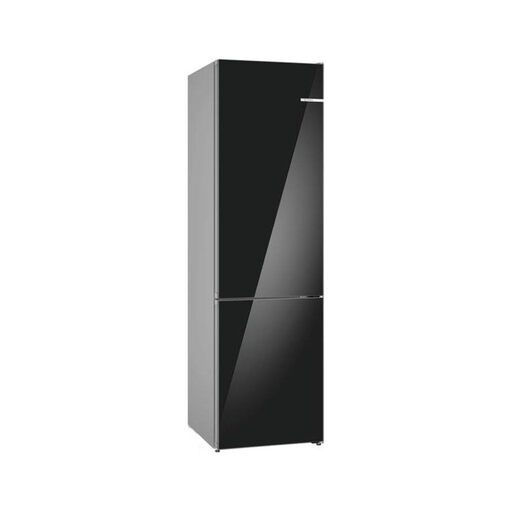
The Series 4 KGN39VIBT is an example of a freestanding fridge-freezer with separately stated fridge and freezer capacities.
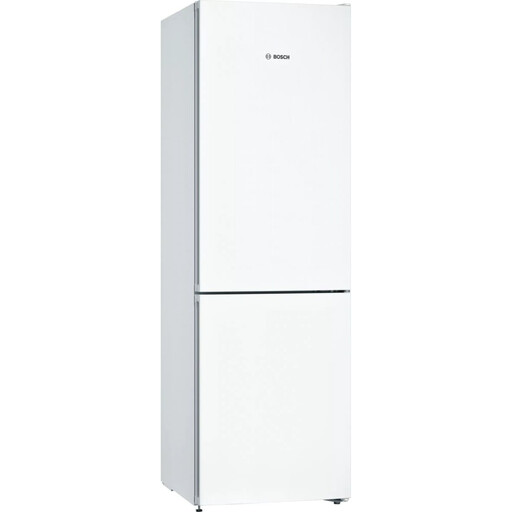
The CNsfc 5023 Plus is an example of a shorter freestanding fridge-freezer with NoFrost.
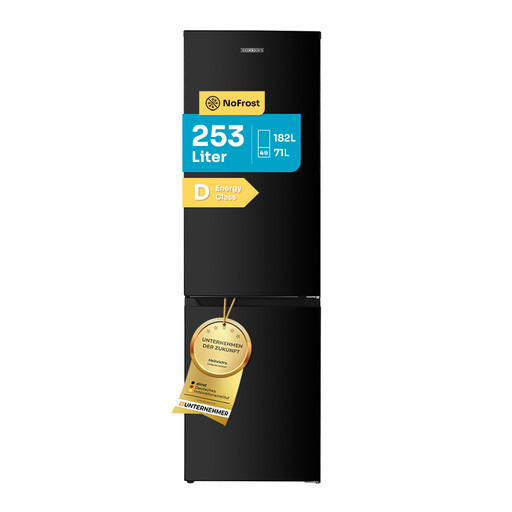
The RCNA366E60XBN is an example of a freestanding model with a bottom freezer.
The GBV7280AEV is an example of a fridge-freezer with a large overall capacity.
This selection includes freestanding fridge-freezers for households weighing up freezer and fridge space for dough and ingredients. For each model, make sure to check whether the freezer compartment is suitable for freezing fresh food.
 No image available
The stated four-star freezer compartment and separate compartments suit households looking to freeze dough and keep ingredients chilled.
 No image available
The four-star freezer compartment and three freezer drawers offer a specific layout to compare with your dough portions and ingredients.
 No image available
The four-star compartment is rated as suitable for freezing fresh food; its compact width may be useful where space is limited.
 No image available
The separate fridge and freezer capacities help you plan for ingredients and frozen supplies; before freezing fresh dough portions, check the star rating of the compartment.
 No image available
The four-star freezer compartment and separate capacities are useful for households looking to freeze fresh dough and allow room in the fridge for ingredients.
For freezing fresh portions, the Federal Centre for Nutrition recommends a four-star compartment. A three-star compartment is suitable for long-term storage of food that is already frozen, but it does not meet the same requirements for the freezing process.
Divide the dough into the portions you need, use suitable freezer packaging, and label it with the contents and date. The Federal Centre for Nutrition lists these steps as general freezing practice; it does not specify a shelf life for pizza dough in particular.
Compare appliances of a suitable size by looking at their stated annual energy consumption in kWh and their separate compartment capacities. The European Commission explains that the energy label shows values under standardised conditions; energy consumption at home also depends on how and where the appliance is used.
Yes. The European Union says that products requiring an energy label must display it in online shops too. Refrigerators and freezers use the A-to-G scale introduced with the energy label in March 2021.
Under Section 17 of the Electrical and Electronic Equipment Act (ElektroG), retailers required to offer take-back must accept an old appliance free of charge when you buy a new one of the same type and with essentially the same functions. If the new appliance is delivered to your home under the conditions set out by law, collection of the old appliance must also be free of charge. Before buying, check with the specific retailer how to arrange collection.