Shared house with limited fridge space
If you share shelves, you’ll need enough suitable space for covered, portioned leftovers. The German Federal Institute for Risk Assessment recommends making room in the fridge for the food you plan to store.


If you’re storing leftover soup in a shared kitchen, first check how much space there is for covered containers and whether the appliance will fit where you plan to put it. You don’t automatically need a freezer compartment for leftovers that will be chilled and eaten soon; if you want to keep portions for longer, consider fridge and freezer space separately. The German Federal Institute for Risk Assessment recommends rapidly cooling hot food to below 7 °C for longer storage. A fridge alone is no substitute for portioning food and storing it covered and separately.
If you share shelves, you’ll need enough suitable space for covered, portioned leftovers. The German Federal Institute for Risk Assessment recommends making room in the fridge for the food you plan to store.
When several people are storing food at the same time, usable shelves and a practical layout are essential. The consumer advice centre points out that larger fridges use more electricity.
If you want to keep some pre-cooked portions for longer, plan your fridge and freezer space separately. The German Federal Institute for Risk Assessment lists freezing as a way to store pre-cooked meals for longer.
A good fit if: you need fridge space for leftovers and other fresh food, and already have a separate freezer.
Consider: without a separate freezer, you won’t be able to freeze food for longer-term storage.
A good fit if: several people regularly need to store portions and other food at the same time.
Consider: as well as the layout, a larger appliance needs enough floor space. Compare its annual energy consumption too.
A good fit if: you also want to freeze portions and don’t have another freezer.
Consider: the freezer compartment isn’t suitable for chilling fresh leftover soup. Compare the two storage areas separately.
First decide whether you only want to chill the soup or freeze it as well. Then consider the usable fridge space and where the appliance will go. For hot food you intend to store for longer, the German Federal Institute for Risk Assessment recommends cooling it quickly.
| Priority | What to look for when buying | Who it matters most to |
|---|---|---|
| Hygienic chilling | Space for shallow, sealed portions; check the temperature in the intended storage area. | If I’m keeping soup for another meal, I want to be able to chill it in portions, covered, in a suitable storage area. Around 36% of consumers put hygienic storage of leftovers first. |
| Storage space that can be shared | Check the available floor space, door clearance, container dimensions and shelves together. | If several people are putting leftovers away at the same time, I need shelves that fit the containers and a realistic spot for the appliance. Around 29% of consumers prioritise storage space that is genuinely usable and can be shared. |
| Energy consumption | For appliances of a suitable size, compare annual energy consumption in kWh. The EU energy label also shows storage and freezer capacity, as well as airborne acoustical noise emissions. | For an appliance that runs continuously, I want to compare annual energy consumption with similar models of a suitable size. Around 21% of consumers focus primarily on electricity use during continuous operation. |
| Freezer compartment | Check whether you already have a freezer; consider fridge and freezer capacity separately. | If I want to keep some portions for longer, I need actual freezer space for them. For soup I’ll eat soon, fridge space is what matters. Around 14% of consumers prioritise freezing food for later. |
In appliances with a freezer compartment, the fridge and freezer are designed for different types of storage. So the total capacity alone won’t tell you how much room there is for fresh portions of soup.
Before choosing a model with an integrated freezer compartment, compare the stated fridge capacity with the dimensions of your sealed containers.
An appliance’s settings don’t show how quickly a large pot of soup will cool, or whether leftovers in a shared fridge will be covered and stored separately.
Divide larger quantities into portions, cool them quickly, and store them covered and separately.
Fridges run continuously, so the annual energy consumption shown on the EU energy label is an important point of comparison in its own right. The consumer advice centre also points out that larger fridges use more electricity.
Compare annual energy consumption across appliances with usable capacity and external dimensions that suit your kitchen.
The Rci 1620 is a table-top fridge with a total capacity of 141 l, suited to a limited space if its external dimensions fit.
The VKS 8817 is a larger fridge-only model with no freezer compartment, designed for shared kitchens that need more fridge space.
The TSE1284N is a compact table-top model for anyone who wants a freezer compartment as well as fridge space.
The Joybuy products below are fridge models for storing food in a shared kitchen. For each appliance, check the usable fridge space separately from any freezer space.
 No image available
For chilled portions of soup, consider the fridge space separately from the freezer space.
173 l total usable capacity; freestanding; LED lighting; 4-star freezing.
 No image available
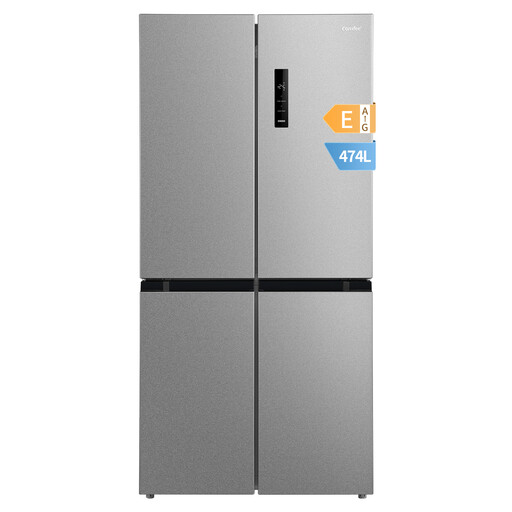
The stated total capacity may be useful in a shared kitchen. Check how much of it is available as fridge space.
474 l total capacity; four-door model; energy efficiency class E.
 No image available
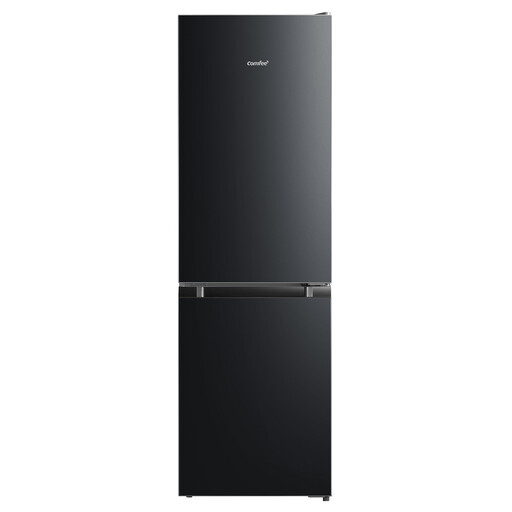
For chilled portions of soup, the stated fridge capacity is what matters; freezer space is for a different type of storage.
174 l total capacity; 115 l fridge space and 59 l freezer space; 39 dB; energy efficiency class E.
 No image available
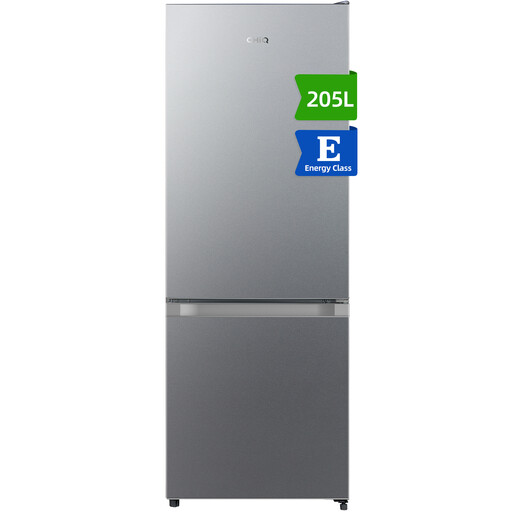
If you need to chill several portions, check the fridge space and whether the shelves will fit your containers.
205 l total capacity; 153 l fridge space and 52 l freezer space; energy efficiency class E.
 No image available
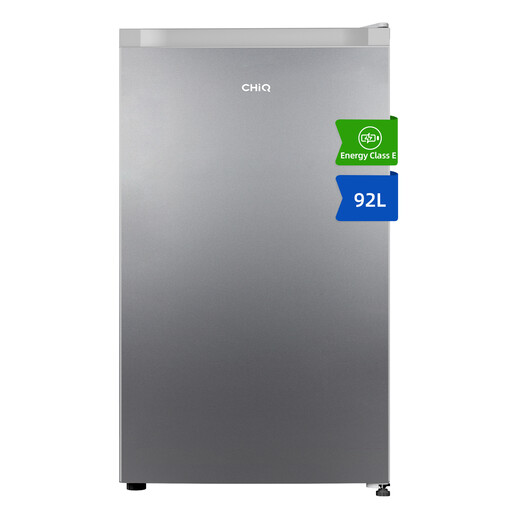
Its compact size may suit a space-limited kitchen. Check whether your containers will fit and how the available fridge space is arranged.
92 l capacity; 47 cm wide; seven temperature settings; energy efficiency class E.
For longer storage, the German Federal Institute for Risk Assessment recommends rapidly cooling hot food to below 7 °C. Divide larger quantities into shallower, suitable containers and store the portions covered and separately. Also check the temperature in the intended storage area.
The EU energy label shows, among other details, annual energy consumption, fridge or freezer capacity and airborne acoustical noise emissions. The European Commission explains these details for fridges and freezers. Compare them once you’ve checked that the usable capacity and external dimensions suit your kitchen.
No. The German Environment Agency explains that old electrical appliances must be collected separately. You can take an old fridge to a recycling centre, for example. When you buy a similar replacement, the agency also outlines take-back options, including for certain online purchases delivered to your home.