Lunchbox planners
If you cut raw carrots for later meals, you’ll need space for covered portions and should also plan how to keep them cool in transit. The BfR recommends keeping perishable foods chilled when you’re out and about, too.


When preparing carrot sticks, you need a covered space in the fridge, away from raw meat. The Federal Institute for Risk Assessment (BfR) recommends keeping perishable foods at 2 to no more than 7°C and using pre-cut raw vegetables promptly. A salad drawer does not guarantee a safe storage life for cut sticks. Choose the type and size of fridge to suit your other refrigeration and freezing needs, the space available and the stated annual energy consumption. Plan separately for keeping your lunchbox cool while you’re out.
If you cut raw carrots for later meals, you’ll need space for covered portions and should also plan how to keep them cool in transit. The BfR recommends keeping perishable foods chilled when you’re out and about, too.
If you store several portions alongside other fresh food, look for usable fridge space and an easily accessible salad drawer. The consumer advice centre notes that whole fruit and vegetables keep much better than cut produce.
If your kitchen is small, compare the appliance’s width and depth, and check how the door opens. Also consider whether you really need freezer space. The consumer advice centre recommends taking both energy consumption and appliance size into account when choosing a fridge.
A good fit if: you chill small amounts of fresh food and don’t need freezer space.
Consider: Measure the width and allow room for covered containers, too. A compact appliance offers less space for several prepared portions.
A good fit if: you need space for several lunchboxes and other fresh food, and have freezer space elsewhere or don’t need it.
Consider: Compare the usable compartments and annual energy consumption. According to the consumer advice centre, larger appliances generally use more electricity.
A good fit if: you regularly store frozen food as well as ingredients for lunchboxes.
Consider: Check the fridge and freezer capacities separately, as well as the external dimensions. You don’t need a freezer compartment for fresh carrot sticks.
| Concern | What to check when buying | Who is it most relevant to? |
|---|---|---|
| Safe, hygienic chilling | Space for covered portions and a temperature you can check; plan separately for keeping food cool while you’re out. | If I prepare raw sticks, I need a covered space that stays properly chilled, as well as a way to keep them cool in transit. Around 36% of consumers put hygienic chilling first. |
| Organising fresh food | Compare the fridge capacity, usable drawer space and room for your containers. | If several lunchboxes need to be stored alongside other fruit and vegetables, easy-to-use shelves are important. Around 29% of consumers prioritise organising fresh food. |
| Appliance size and freezer needs | Measure the available space and room for the door to swing open; compare fridge and freezer capacities separately. | If I’m short on space, the appliance needs to fit; I only need a freezer compartment for other foods. Around 21% of consumers focus primarily on appliance size or freezer capacity. |
| Energy consumption | Once you’ve found an appliance of a suitable size, compare its EU energy label and consumption in kWh per year. | If I’m looking for an appliance that’s big enough for everyday use, I also want to understand its running costs. Around 14% of consumers place particular importance on energy consumption and running costs. |
Pre-cut raw foods spoil quickly. A freshness or salad zone is no substitute for good hygiene, suitable chilling and using the food promptly.
Keep the sticks covered, use them soon and keep them chilled until you eat them, whatever the compartment is called.
For lunchbox sticks, what matters is the fridge space you can actually use; a freezer compartment won’t help with this storage task.
Compare fridge and freezer capacities separately, and measure your kitchen before deciding which type of appliance to buy.
An oversized appliance takes up more space permanently and can use more electricity. Running costs depend on the model and your electricity tariff.
Your fridge at home won’t keep the sticks cool while you’re travelling or at your destination.
Check what chilling facilities are available where you’ll be eating, and take a cool bag if needed.
The Rci 1620 Plus is an under-counter fridge with EasyFresh and could suit kitchens with limited headroom for appliances.
The freestanding KGN39EXCF fridge-freezer is an option if you need freezer space as well as room to chill food.
The HTW5620CNMP combines freezer drawers with a Humidity Zone for households that use both compartments.
According to the manufacturer, the B3RMLNE444HXB is a fridge without a freezer compartment, with plenty of fridge space.
This selection of Joybuy products includes compact fridges, fridges without freezer compartments and fridge-freezers. A freezer compartment is mainly useful if you need it for other foods as well.
 No image available
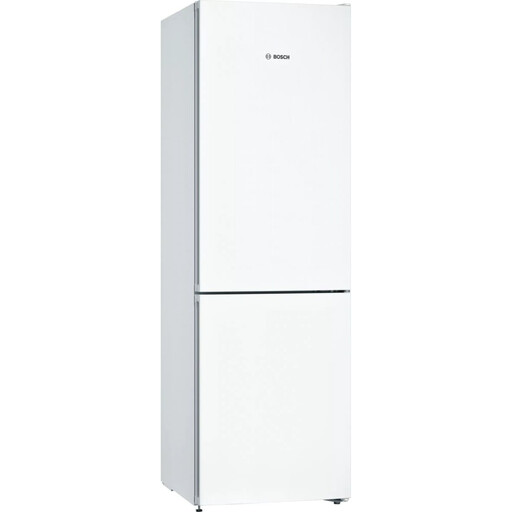
For covered lunch portions in the fridge, with extra freezer space; the product description lists an adjustable temperature and a VitaFresh drawer with adjustable humidity.
According to the product description on Joybuy: 326 l total capacity, including 237 l of fridge space; energy class E and 238 kWh per year. Recommended setting: +4 °C.
 No image available
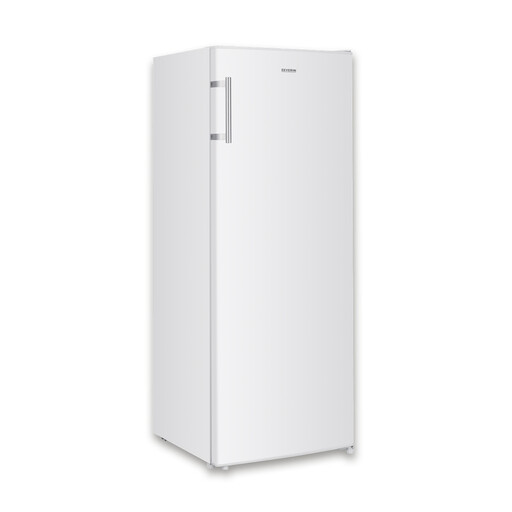
An option if you need fridge space for several lunch portions and other fresh food, but don’t need an additional freezer compartment.
According to the product description on Joybuy: 242 l capacity, a large salad drawer, energy class D and 83 kWh per year. It is 143 cm tall and has a reversible door.
 No image available
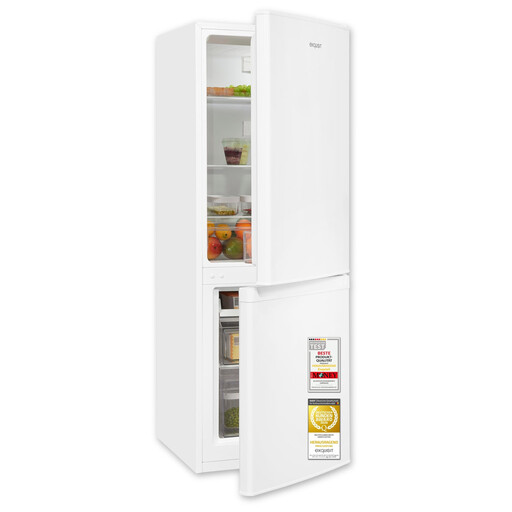
A good option if you want to store lunch portions in the fridge and keep frozen food alongside them.
According to the product description on Joybuy: 173 l total capacity, including 121 l of fridge space and a 52 l freezer compartment; 194 kWh per year. External dimensions are 142,5 × 49,5 × 56,0 cm.
 No image available
For lunch portions in the fridge and extra freezer space; the electronic temperature control and full-width salad drawer help you keep things organised.
According to the product description on Joybuy: 262 l total capacity, including 187 l of fridge space; 54 cm wide and 176 cm tall. The stated fridge temperature range is 2 to 8 °C. The BfR recommends a maximum of 7 °C for perishable foods.
 No image available
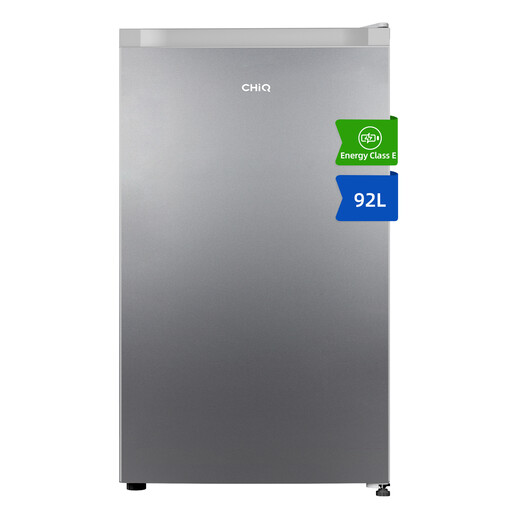
A compact option for small amounts of fresh food if you don’t need a freezer compartment.
According to the product description on Joybuy: 92 l capacity, 47 cm wide and energy class E. Features include a salad drawer, adjustable glass shelves and a 7-setting temperature control.
There’s no single safe storage life that applies to all homemade carrot sticks. The BfR classifies pre-cut raw fruit and vegetables as quick to spoil and recommends keeping them chilled and using them promptly. People who are particularly vulnerable should prepare the sticks shortly before eating.
Wash fruit and vegetables thoroughly, then keep the sticks covered in the fridge and away from raw meat. The BfR recommends keeping perishable foods at 2 to no more than 7 °C and chilled while you’re out, too. If needed, take a cool bag and check what chilling facilities are available where you’ll be eating. These hygiene recommendations do not guarantee a specific storage life.
A special salad drawer isn’t essential for storing the sticks. It can help you organise other fresh food, but suitable chilling, covered storage and good hygiene are still important. Manufacturer claims about freshness do not guarantee a specific storage life for cut raw vegetables.
For appliances that are the right size for your needs, compare the stated energy consumption in kWh per year and calculate the cost using your own electricity tariff. The consumer advice centre recommends checking energy labels and consumption figures when choosing a fridge.