What should you look for when buying?
First decide whether you regularly freeze food, then compare the usable fridge space with your containers and the space available for the appliance. For perishable ingredients, the German Federal Institute for Risk Assessment recommends a temperature of no more than 7 °C, ideally below 5 °C, and regular temperature checks. This does not establish a general shelf life for every dressing.
| Buying priority |
What to look for |
Who is it important to? |
| Well-organised fridge space |
Check fridge capacity separately from freezer capacity; consider shelf layout and container dimensions. |
If we cook at different times, sealed jars and prepared ingredients need to be stored separately and easy to find. Around 33% of consumers prioritise a well-organised layout for food prepared in advance. |
| Safe chilling |
Check the temperature on the shelves you use and allow space for sealed containers. |
With delicate ingredients, I want to keep an eye on the actual temperature and store them appropriately. Around 33% of consumers prioritise suitable chilling for prepared ingredients. |
| Appliance type and freezing needs |
Decide in advance whether you regularly freeze food; with a fridge-freezer, compare the capacity of both compartments. |
If we hardly ever freeze food, I don’t want to dedicate a large part of the appliance to a freezer compartment we rarely use. Around 17% of consumers primarily look for an appliance type that suits their actual freezing needs. |
| Installation space and energy consumption |
Check the appliance dimensions and door opening; compare the annual energy consumption on the EU energy label of appliances of a suitable size. |
With limited kitchen space, I want to know whether the appliance will fit and what its stated annual energy consumption is. Around 17% of consumers put available space and ongoing energy use first. |
Joybuy product selection
This selection includes fridges without a freezer compartment and fridge-freezers for shared chilled supplies, with options to suit different freezing needs.
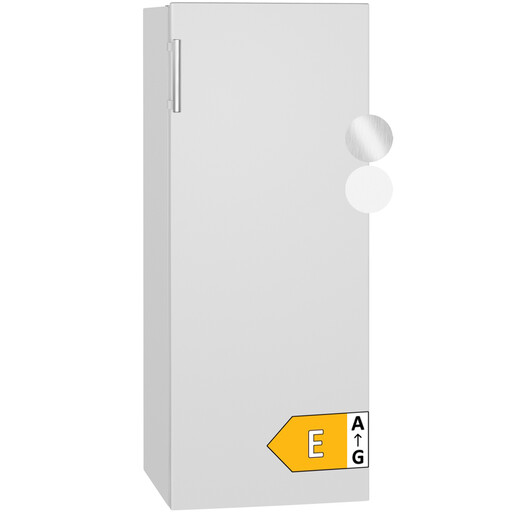 Image unavailable
Bomann VS 7316.1 fridge without freezer compartment
An option if you prioritise fridge space over a freezer compartment and want flexibility when arranging your containers.
242 l net capacity; four of the five glass shelves are height-adjustable. The stated temperature control range is from 0 °C to +8 °C.
View at Joybuy
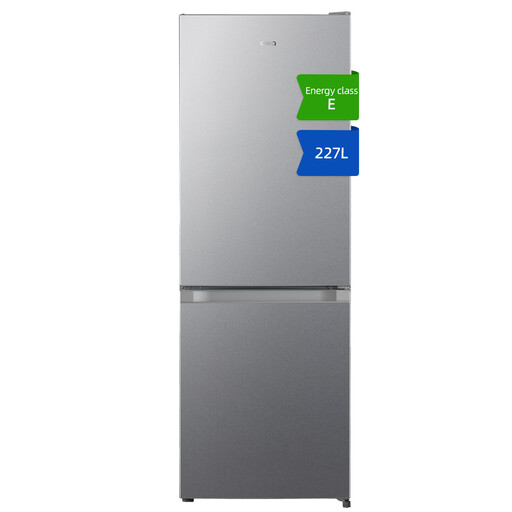 Image unavailable
CHiQ JR227LSE fridge-freezer, silver
A good comparison option if you need a freezer compartment as well as chilled storage and need to factor in the appliance width.
153 l fridge capacity and 74 l freezer capacity; 54 cm wide. The fridge compartment has adjustable shelves and the door is reversible. The stated fridge temperature is 2–8 °C.
View at Joybuy
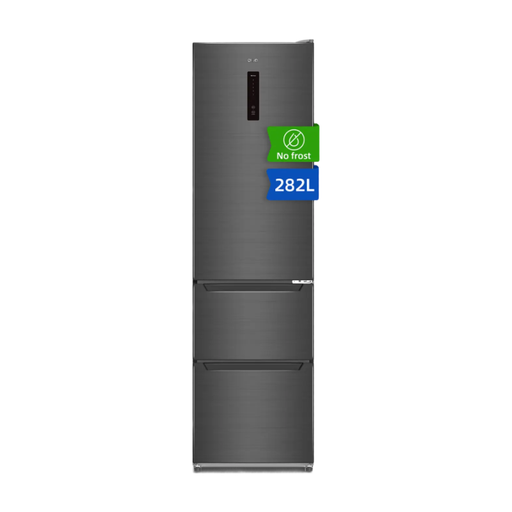 Image unavailable
CHiQ CID282NEIBE multi-door fridge-freezer
An option for shared meal planning if you want separately designated fridge and freezer compartments.
197 l fresh food capacity; 54 cm wide and 192 cm high. The product description lists No Frost and annual energy consumption of 233 kWh.
View at Joybuy
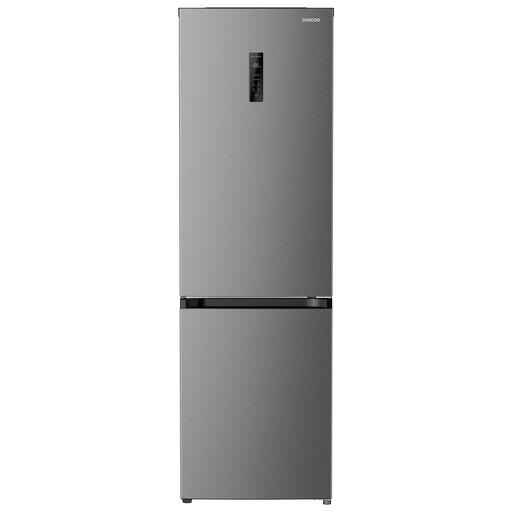 Image unavailable
Coocaa SRD-489CBEP fridge-freezer
Worth considering if you want fridge space for prepared ingredients as well as a freezer compartment.
235 l fridge capacity and 109 l freezer capacity; the product description lists adjustable shelves and Total No Frost.
View at Joybuy
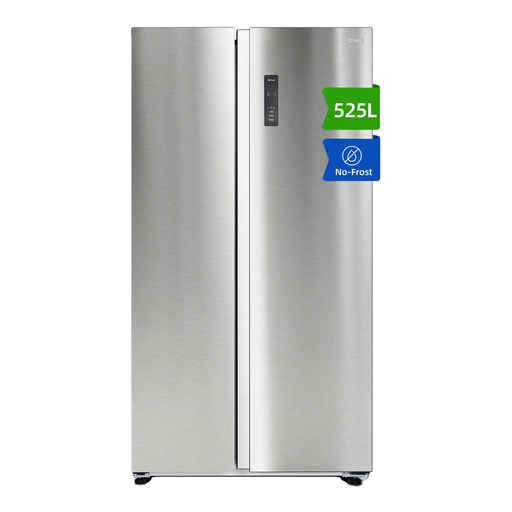 Image unavailable
CHiQ JR525WSE side-by-side fridge-freezer
An option if you need plenty of fridge space and a freezer you’ll use regularly too. Check that this design will fit in your kitchen first.
333 l fridge capacity and 192 l freezer capacity. The product name lists No Frost and 37 dB.
View at Joybuy
Frequently asked questions
How cold should prepared dressing be kept?
For perishable ingredients, the German Federal Institute for Risk Assessment recommends a temperature of no more than 7 °C, ideally below 5 °C, and regular temperature checks in different parts of the fridge. Keep the dressing sealed; the appliance specifications alone can’t determine how long it will last.
Can a shared meal plan determine how long food can be stored safely?
No. A meal plan alone can’t determine how long food can be stored safely. According to the German Federal Institute for Risk Assessment, the risk of microbial contamination increases when prepared foods are stored for longer; good hygiene and suitable chilling remain important. Label containers with their contents and preparation time so you can coordinate when to use them.
What should I check when installing and using a fridge?
Measure the space before buying and allow for the door to open. When the fridge is in use, check the temperature on the shelves you actually use, and don’t leave the fridge door open for longer than necessary.
How do I compare energy consumption?
For appliances with a suitable fridge capacity, compare the annual energy consumption in kWh shown on the EU energy label. For an individual estimate, you’ll also need your electricity tariff and planned period of use. The Verbraucherzentrale also points out that appliance size affects energy consumption.
What energy label applies when buying a new fridge online in Germany?
The EU energy label must also be displayed in online listings for new refrigeration appliances covered by the rules. Fridges and freezers use the A–G scale, introduced on 1 March 2021; the European Commission explains this labelling system. So compare the label for the specific model, and don’t treat older A+++ ratings as directly equivalent to today’s ratings.


