People who batch-cook together
If you prepare vegetables for several people, you’ll need enough shelf space for separate, covered portions to eat over the next few days. The BfR recommends eating leftovers within two to three days.


Choose your fridge based on how many covered containers will fit in the fridge compartment and whether you also need freezer space for food you’re planning to keep for longer. The German Federal Institute for Risk Assessment (BfR) recommends eating leftovers within two to three days when refrigerated, and cooling hot food quickly to below 7 °C if you plan to store it for longer. Freshness compartments and NoFrost do not replace this advice.
If you prepare vegetables for several people, you’ll need enough shelf space for separate, covered portions to eat over the next few days. The BfR recommends eating leftovers within two to three days.
If you cook more portions together than you’ll eat over the next few days, plan for fridge and freezer space separately. The freezer compartment is there for food you’re storing, not extra space for chilled portions.
When space is limited, the appliance dimensions, door clearance, containers and energy consumption all need to work together. The Verbraucherzentrale recommends giving careful thought to the size you need when choosing a fridge.
Right for you if: You’ll eat the cooked portions within the two to three days recommended by the BfR, or you already have freezer space elsewhere.
Bear in mind: The appliance has no freezer compartment for food you plan to store for longer.
Right for you if: You regularly prepare portions to eat later and need freezer space for them.
Bear in mind: The freezer compartment takes up part of the total capacity, leaving less space for chilled portions.
Right for you if: There’s enough room for your covered portions when the fridge is stocked as usual, and it keeps food sufficiently cool.
Bear in mind: If you’re short on space or have measured high energy consumption, replacing it with a suitable-sized model may make sense.
| What matters | What to check when buying | Who is it important to? |
|---|---|---|
| Cooling and hygienic separation | Check the temperature when the fridge is stocked as usual, and make sure there’s space for covered containers. The BfR recommends cooling hot food quickly to below 7 °C if you plan to store it for longer. | Reliable cooling is essential if you want to store several portions separately from raw food. Around 36% of consumers say cooling and hygiene are their top priorities. |
| Space for portions | Consider fridge capacity separately from total and freezer capacity, and check that your usual containers will fit on the shelves. | If you batch-cook for several people, your containers should be easy to reach without having to move other food. Around 29% of consumers focus above all on space for portions they’ll eat soon. |
| Freezer space for food to store | Check freezer capacity and layout separately from the fridge compartment; NoFrost relates to ice build-up in the freezer compartment. | If you prepare more food than you’ll eat over the next few days, you’ll need a suitable way to store the portions you’re planning to keep for longer. Around 21% of consumers prioritise having a separate freezer compartment. |
| Energy consumption and kitchen space | Compare the external dimensions, door clearance and stated annual energy consumption of specific appliances. | If your kitchen is short on space, the size and running costs need to suit your actual needs. Around 14% of consumers put fit and running costs first. |
In a fridge freezer, the freezer capacity isn’t available for containers in the fridge compartment. The Verbraucherzentrale recommends taking the space you need into account when choosing an appliance.
Check the fridge capacity and internal layout against your usual containers, rather than comparing appliances by total capacity alone.
Manufacturers’ claims about freshness compartments relate to specific fresh foods; NoFrost relates to ice build-up in the freezer compartment. Neither replaces the BfR’s advice on storing leftovers.
Plan when you cook and eat around the recommended chilled storage period. Don’t leave portions you plan to keep for longer in the fridge simply because the appliance has a particular feature.
Appliance size and stated annual energy consumption are separate factors to compare. The energy rating alone won’t tell you which annual consumption figure suits your needs.
Compare the kWh per year shown on the energy labels of models with enough capacity. If you already own a fridge, the Verbraucherzentrale recommends measuring its consumption before comparing it with other models.
Taking away an old appliance and optional delivery services are separate things.
Before ordering, check separately which delivery and installation services are included and how you can return your old appliance.
The freestanding KFN 4795 AD and KFN 4799 AD fridge freezers are specific examples with freezer space and differently equipped freshness compartments.
The freestanding iQ500 KG39NAIAU lists fridge and freezer capacities separately.
The freestanding Series 6 KGN39AIAU is an example of a model with separate fridge and freezer compartments.
The CBNdgc 5723 is a freestanding fridge freezer with BioFresh compartments and a separate freezer section.
The GBBSJ2CCEP is an example of a model with adjustable shelves and stated fridge-freezer capacity.
The models below are fridge freezers for households looking to store chilled portions and make use of extra freezer space in one appliance. Before buying, check that the shelves suit your containers, measure the appliance and look at the current EU energy label. A freshness compartment doesn’t replace the BfR’s advice on safe storage.
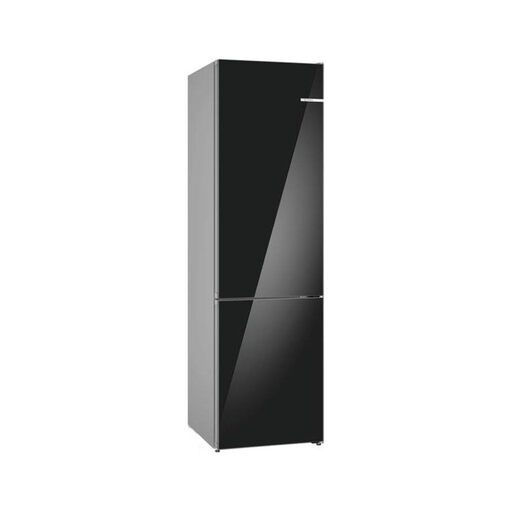 No image available
Worth considering if you’re planning to store chilled portions and use extra freezer space in one appliance.
Total capacity: 363 l; energy class: C; colour: black.
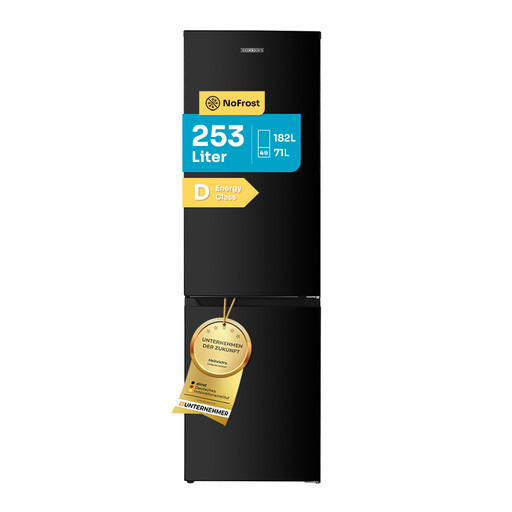 No image available
Could be a good fit if you’re planning to store chilled portions and use a separate freezer compartment in one appliance.
Total capacity: 253 l; fridge compartment: 182 l; freezer compartment: 71 l; noise level: 39 dB.
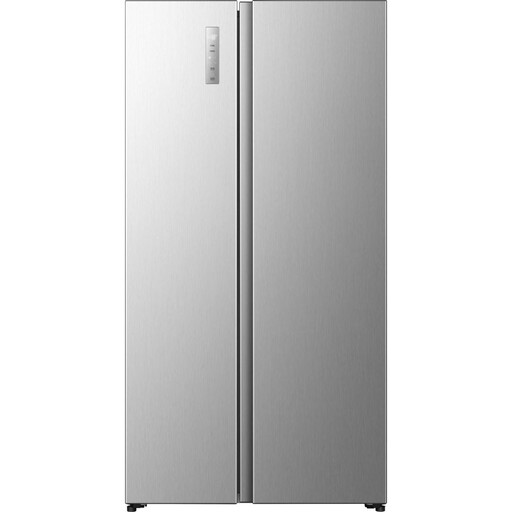 No image available
Worth considering if you’re planning to store chilled portions; check that the fridge space and internal layout suit your containers.
Energy class: E.
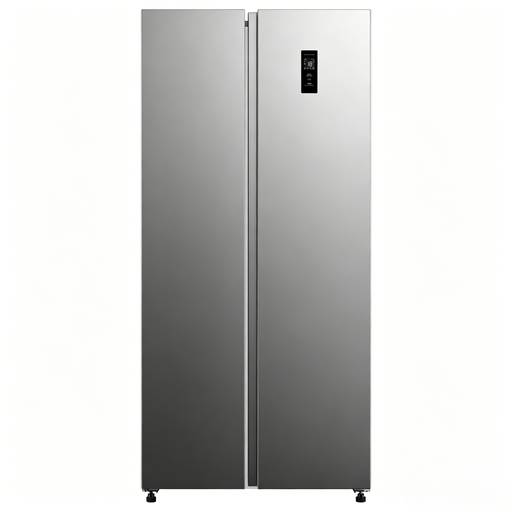 No image available
Worth considering if you want fridge and freezer space side by side and have enough room for the appliance.
Total capacity: 444 l; width: 83 cm; energy class: E; noise level: 40 dB.
 No image available
Could be a good fit if you need fridge and freezer space and the stated width works in your kitchen.
Total capacity: 262 l; split: 70/30; width: 54 cm; depth: 55 cm; height: 176 cm; colour: black.
It depends on whether the time until your next batch-cooking day falls within the recommended storage period. The BfR recommends eating leftovers within two to three days when refrigerated. If you plan to store hot food for longer, cool it quickly to below 7 °C; you can divide larger quantities between shallow dishes to help. A freshness compartment doesn’t extend this recommended period.
Keep them covered in the fridge, separate from raw food. If you’re planning meals together, make sure there’s enough shelf space and that it’s easy to reach. A dedicated fruit and vegetable compartment isn’t automatically the right place for every container of cooked vegetables.
Compare the kWh per year shown on the energy labels of specific appliances, and factor in your own electricity tariff. If you’re comparing a new fridge with one you already own, the Verbraucherzentrale recommends measuring the existing appliance’s consumption first. Check delivery, installation and old-appliance services separately for each offer.
Household fridges are covered by EU energy labelling rules, and the current energy label uses classes A to G. Among other things, it shows annual energy consumption and the capacities of the fridge and freezer compartments. The former plus classes are no longer used for current fridge energy ratings.
No. According to Germany’s Federal Ministry for the Environment, old electrical appliances must be kept separate and taken to authorised collection points, manufacturers or retailers. A retailer’s obligation to take back a large old appliance depends on the legal requirements. Before ordering, also check whether collection is available with your delivery.