What should you look for when buying?
Fridge without a freezer compartment
A good fit if: You mainly chill spreads, fresh ingredients and portions you’ll use soon, and don’t need extra freezer space.
The trade-off: You’ll need another solution for frozen portions. Compare the fridge capacity and annual energy consumption of the specific model.
Fridge-freezer
A good fit if: You regularly freeze portions or food supplies and want a fridge and freezer in one footprint.
The trade-off: The total capacity is split between the two compartments, so check the fridge and freezer capacities separately.
The Verbraucherzentrale recommends keeping vegetarian spreads chilled after opening and using them promptly. Follow the instructions on the specific pack and use clean utensils every time.
| What matters |
What to look for |
Who should pay particular attention |
| Cooling and hygiene |
Check the temperature controls and space for sealed containers stored separately. The Federal Institute for Risk Assessment recommends a maximum of +7 °C, ideally below +5 °C, and checking the temperature in different parts of the fridge (13 February 2023). |
If I share opened hummus and other foods that need chilling, hygienic serving and reliable cooling come first; around 33% of consumers prioritise cooling and hygiene. |
| Usable fridge space |
Compare the height and depth of your containers with the shelves, door compartments and stated fridge capacity. |
If several people store ingredients or prepared meals at the same time, I need easy-to-reach space for containers; around 27% of consumers put usable fridge space first. |
| Space for the appliance and freezer needs |
Check the external dimensions, door clearance, and fridge and freezer capacities separately, then compare them with your own freezing needs. |
When space is limited, the appliance needs to fit in my kitchen, and the freezer compartment should suit my actual needs; around 20% of consumers prioritise space and freezer capacity. |
| Annual energy consumption |
Compare the stated energy consumption in kWh per year for appliances with a suitable usable capacity. |
If several appliances could suit the space I have, I also want to consider their energy consumption while in use; around 20% of consumers put annual energy consumption first. |
Joybuy products at a glance
The Joybuy appliances below include fridge-freezers and fridges without a freezer compartment, suited to shared food storage and kitchens of different sizes.
 No image available
LG GBBSJ1CCPY fridge-freezer, 333 l, energy class C
For shared food storage, with fridge space and several shelves.
262 l fridge compartment, electronic temperature control and four glass shelves. Two temperature zones and a FRESHConverter+ compartment with selectable temperatures for meat, fish or cheese are also listed. The product name specifies a total capacity of 333 l, No Frost and energy class C.
View at Joybuy
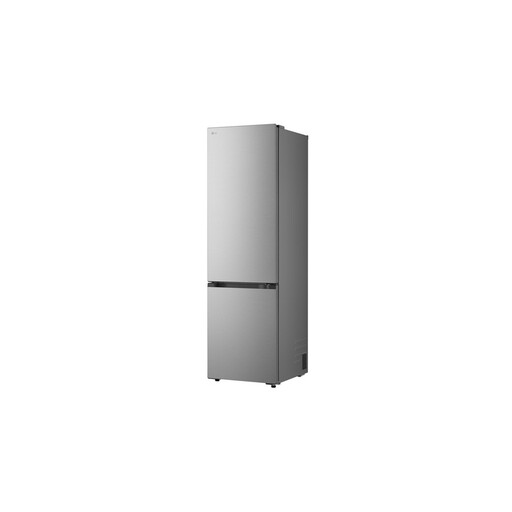 No image available
LG GBBSJ2CCPY fridge-freezer, 375 l, energy class C
For storing fresh ingredients together, with a separate freshness compartment.
220 l fridge compartment, temperature control and three safety glass shelves. A 37-l Fresh Chill compartment and a temperature display are also listed. The product name specifies a total capacity of 375 l, Frost Free and energy class C.
View at Joybuy
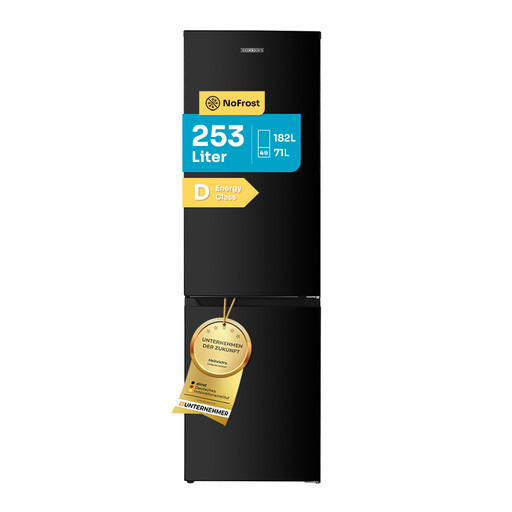 No image available
Heinrich's fridge-freezer, 253 l, No Frost
For households that need a dedicated freezer compartment as well as space for chilled containers.
182 l fridge capacity and 71 l freezer capacity. Features include three glass shelves, a rotary control for rapid cooling, 360° cooling and No Frost. The product name specifies 39 dB.
View at Joybuy
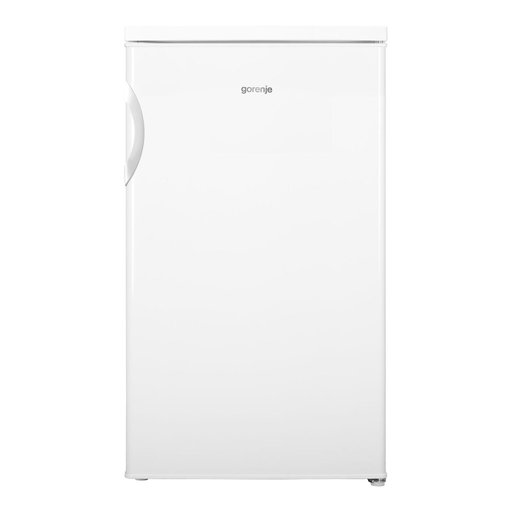 No image available
Gorenje G200 R49DPW fridge, 133 l, energy class D
For anyone who wants to use all the stated capacity for chilled food rather than a freezer compartment.
133 l fridge compartment, five shelves, including adjustable ones, and a vegetable drawer. The stated annual energy consumption is 72 kWh.
View at Joybuy
 No image available
Sonlu CS-100L fridge, 82 l, energy class E
For a smaller footprint if you don’t need a freezer compartment and adjustable shelves would be useful.
82 l capacity, mechanical temperature control, adjustable glass shelves and door compartments. The product name specifies energy class E.
View at Joybuy
Frequently asked questions
How long can opened hummus be kept in the fridge?
There’s no single number of days that applies to all hummus. Follow the instructions on the specific pack, use clean utensils to serve it and keep the opened spread chilled. The best-before date for an unopened product doesn’t tell you how long it will keep once opened.
How should I organise a fridge if we don’t all cook at the same time?
Set aside easy-to-reach spots for sealed, labelled containers, and check before buying whether the shelves can hold all the containers you’ll need at once. Once the fridge is in place, check the temperature in different areas and avoid leaving the door open frequently or for long periods.
How do I compare the energy consumption of fridges?
Compare the stated energy consumption in kWh per year for appliances with enough fridge space for your needs. The EU energy label for fridges uses a scale from A to G. The European Union has used this scale since 2021, replacing the old A-plus ratings.
Can I put my old fridge in the household rubbish?
No. The German Environment Agency advises disposing of old electrical appliances separately rather than putting them in household rubbish. If you’re ordering a new appliance, check exactly what take-back or collection options are available for the old one.


