Preparing lunch boxes
If you keep opened tofu for several weekday lunches, make sure there’s room for a sealed container of leftovers and your prepared portions. The BfR recommends keeping perishable foods chilled when you’re out and about, too.


First, choose a fridge with enough space for your containers and one that can maintain the storage temperature specified for your tofu. In its March 2026 kitchen hygiene infographic, the German Federal Institute for Risk Assessment (BfR) gives a general guideline of 2 °C to no more than 7 °C for perishable foods; any stricter instructions on the packaging take precedence. A fridge without a freezer compartment puts all the focus on chilled storage, while a fridge-freezer is a good choice if you also need freezer space. For built-in appliances, check that the appliance fits the housing unit and that the hinge is suitable. You’ll still need separate cooling to keep your prepared lunch box chilled while you’re out and about.
If you keep opened tofu for several weekday lunches, make sure there’s room for a sealed container of leftovers and your prepared portions. The BfR recommends keeping perishable foods chilled when you’re out and about, too.
If you want to store lunch boxes without choosing an unnecessarily large appliance, compare the usable fridge capacity and the stated annual energy consumption. The German consumer advice centre Verbraucherzentrale notes that larger fridges and fridge-freezers can use more electricity.
If your kitchen has a fixed housing unit, check the appliance and housing dimensions, as well as the door fixing, before comparing models. Manufacturer specifications, such as those Siemens gives for the KI81RVFE0, apply to the model in question only.
A good fit if: you mainly store chilled ingredients, opened tofu and prepared lunch boxes, and don’t need freezer space.
Things to consider: Check the usable fridge capacity, shelf clearance and the space available for the appliance. The design alone tells you nothing about energy consumption or how long tofu will keep.
A good fit if: you regularly freeze food as well as storing ingredients for lunch, and need both compartments.
Things to consider: Compare fridge and freezer capacities separately, along with annual energy consumption. Freezer features won’t extend the safe storage time for tofu in the fridge compartment.
A good fit if: your choice is dictated by an existing housing unit or a designated space under the worktop.
Things to consider: Check that the housing dimensions, installation depth and hinge type match the specific model before comparing capacity and features.
| Buying priority | What to check | Who it matters most to |
|---|---|---|
| Reliable cooling | Follow the packaging instructions and check the temperature at the intended storage spot; don’t assume a special compartment is suitable without checking. | If I’m storing opened tofu for several lunch boxes, I want to be able to follow the packaging instructions where I keep it. Reliable cooling is the main priority for around 42% of consumers. |
| Room for containers | Check the fridge capacity and shelves; measure your containers and the available shelf clearance. | If I need to fit several portions and a sealed container of tofu inside, the actual layout matters. Storage space is the main priority for around 33% of consumers. |
| Design and available space | Check the appliance and housing dimensions, installation depth and hinge type against the specific model. | If an existing housing unit or designated space limits my choice, the appliance needs to fit. The design is the main priority for around 17% of consumers. |
| Energy consumption | Compare the stated kWh per year and usable capacity; use the same electricity tariff when calculating costs. | If I’m weighing up the running costs of suitable appliances, I look at annual energy consumption rather than size alone. Around 8% of consumers say running costs are their main priority. |
For perishable foods, the BfR gives a general fridge guideline of 2 °C to no more than 7 °C. Also check the storage instructions for your particular tofu and make sure the temperature at your chosen storage spot is suitable.
Special compartments don’t replace the instructions on the tofu packaging or suitable covered storage.
Check the temperature at the spot where you plan to store the tofu and follow the instructions for the specific product.
Total capacity doesn’t tell you whether your containers will fit on the shelves. Fridge and freezer capacities serve different purposes, and a larger appliance may use more electricity.
Compare usable fridge space, shelves and kWh per year for appliances that fit the space you have available.
A household fridge won’t keep a prepared lunch box chilled while it’s being transported.
Make separate arrangements to keep it suitably chilled until you’re ready to eat.
Built-in fridges without a freezer compartment and freestanding fridge-freezers, for when the installation type and separately stated capacities matter.
Freestanding fridge-freezers for households that also need freezer space.
Under-counter fridges in a range of designs for designated kitchen spaces.
Freestanding under-counter and full-size fridges for different space requirements.
Freestanding under-counter fridges and larger cooling appliances, including options for compact spaces.
The Joybuy models below include a built-in under-counter appliance, fridges without a freezer compartment and compact appliances with a freezer compartment. Before choosing, check that the dimensions and interior suit your containers, and that the appliance can maintain the required storage temperature.
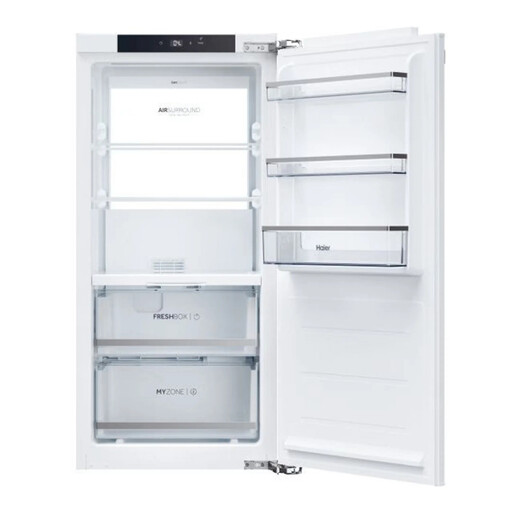 No image available
This built-in under-counter design is worth considering if you have a suitable fixed space in your kitchen.
The product title states a capacity of 173 l and energy efficiency class D. Check the installation dimensions against your housing unit.
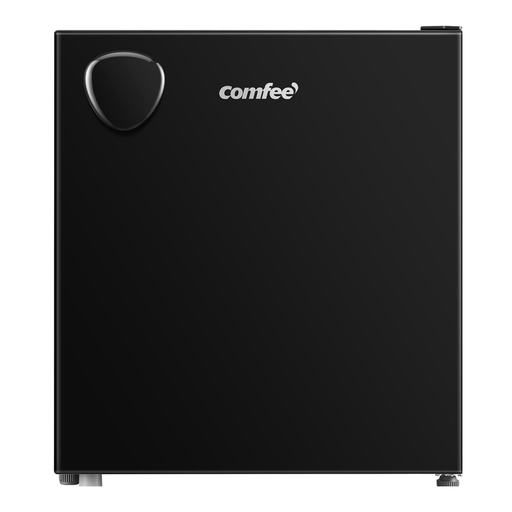 No image available
This compact design is an option if you have limited space and the interior is large enough for your containers.
The product title states a capacity of 43 l, a width of 44,5 cm, three temperature settings and energy efficiency class E.
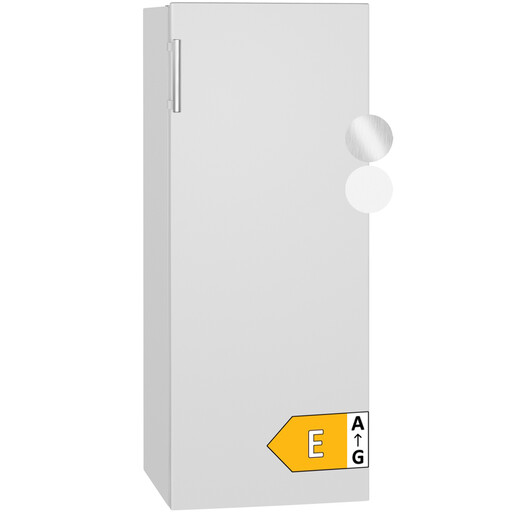 No image available
A fridge without a freezer compartment may suit you if you mainly want space for chilled food. Check that its dimensions fit the space you have available.
The product title states a capacity of 242 l, five shelves and a temperature range of 0 °C to +8 °C. Make sure the actual temperature where you store your tofu matches its storage instructions.
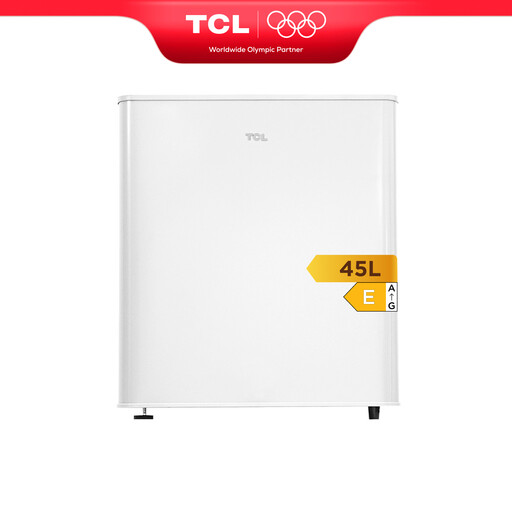 No image available
This compact tabletop appliance is worth considering if you need a small freezer compartment as well as space for chilled food.
The product title states a total capacity of 45 l and energy efficiency class E. Check that the fridge compartment is large enough for your containers and that its temperature meets the storage instructions.
 No image available
This compact design is an option if you’re looking for a smaller fridge and have enough room for your lunch boxes.
The product title states a capacity of 90 l, a chiller compartment and energy efficiency class E. Check the interior layout and whether the appliance can maintain the required storage temperature.
Check the instructions on the packaging first. For its own plain tofu, Taifun recommends covering the remaining tofu completely with fresh water, keeping it chilled and changing the water daily. The recommended three to four days are specific to this manufacturer and aren’t a guideline for every type of tofu.
No, you’ll need separate cooling for transport. The BfR recommends keeping perishable foods chilled when you’re out and about, so make sure you have a suitable way to keep your lunch box chilled until you’re ready to eat.
Compare the height, width and depth of the housing unit, as well as the door fixing, with the specifications for the particular model. For example, Siemens specifies a housing unit measuring 1775 × 560 × 550 mm and a flat hinge for the KI81RVFE0; these dimensions won’t necessarily apply to other appliances.
Compare the stated consumption in kWh per year for appliances that meet your space requirements, using the same electricity tariff for your calculations. Verbraucherzentrale recommends taking energy consumption figures and the EU energy label into account when choosing an appliance.
Cooling appliances use the EU energy label, with classes from A to G. The former plus classes have not been used for these appliances since 2021. The European Union points shoppers to the EPREL product database for additional information about specific models.