A small fridge without a freezer compartment is enough to keep yoghurt fresh, provided its fridge section meets the product’s storage requirements in the spot you plan to use and has enough room for the amount you actually need to store. A larger appliance or a freezer compartment is only worthwhile if you have additional refrigeration or freezing needs. You’ll need to plan separately for keeping your lunch cool on the way.
Who would benefit from a separate fridge?
If you prepare yoghurt for several weekdays
You want to take your yoghurt out in the morning from a fridge that meets the product’s storage requirements. The Verbraucherzentrale recommends the middle fridge shelf at 5 to 7 °C as a guide for storing yoghurt.
If you commute and don’t have a fridge at your destination
The time between packing your lunch at home and eating it matters, too. The German Federal Institute for Risk Assessment points out that perishable foods should also be kept cool during transport.
If you have limited kitchen space
You’ll need to weigh up the floor space and fridge capacity against the needs of your whole household. The Verbraucherzentrale recommends taking energy consumption into account when choosing an appliance, too.
What should you look for when buying?
Compact fridge without a freezer compartment
Suitable if: You need a dedicated fridge space for yoghurt and other lunch ingredients, but don’t want to freeze anything.
What to consider: The interior may be too small for a full weekly shop. Compare the dimensions and fridge capacity with your needs.
Larger fridge without a freezer compartment
Suitable if: You regularly store larger quantities of fresh food for several people, too.
What to consider: A larger capacity takes up more space and may use more energy, so don’t choose one just for yoghurt.
Fridge with a freezer compartment
Suitable if: You regularly store frozen food or want to freeze food as well as keep fresh ingredients.
What to consider: Check the fridge and freezer capacities separately, along with the specific model’s annual energy consumption. A freezer compartment isn’t needed for fresh yoghurt.
The Verbraucherzentrale recommends 5 to 7 °C on the middle shelf as a guide for storing yoghurt. Always follow the storage instructions on the packaging and check the temperature in the spot where you plan to store it.
| Priority |
What to check when buying |
Who is this important to? |
| The right temperature for yoghurt |
Follow the packaging instructions and check the temperature in the intended storage spot. The Verbraucherzentrale recommends 5 to 7 °C on the middle shelf as a guide. |
If I store yoghurt for several weekdays, I want to be able to check the temperature where I plan to keep it; around 33% of consumers put the right storage temperature first. |
| Keeping food cool after packing |
Check whether there’s a fridge at your destination and how to keep the yoghurt cool until then, in line with its storage requirements. The German Federal Institute for Risk Assessment recommends keeping perishable foods cool while travelling, too. |
If I commute and can’t use a fridge at my destination, the yoghurt needs to stay cool until I eat it; around 27% of consumers prioritise keeping it cool on the way to lunch. |
| Fridge capacity and available space |
Check the external dimensions, door opening and fridge capacity against your kitchen and weekly food shop. Only choose a freezer compartment if you’ll actually use it. |
If I store other lunch ingredients as well as yoghurt, I need enough room inside without taking up unnecessary floor space; around 20% of consumers prioritise suitable dimensions and storage capacity. |
| Ongoing electricity costs |
Compare the annual consumption in kWh on the EU energy label, using the same electricity rate for suitable appliances. The European Commission also lists capacity and whether the appliance has a freezer compartment. |
If I’m buying an additional appliance, I want to consider its energy use over its lifetime as well as its cooling capacity; around 20% of consumers prioritise total costs. |
Common buying and usage mistakes
-
Assuming the fridge takes care of the whole cold chain
The storage temperature at home doesn’t tell you how cool the yoghurt will still be hours after you pack it.
Plan how you’ll transport and store it until lunchtime before you buy an appliance.
Keeping it cool during transport may require extra planning or suitable equipment.
-
Choosing a larger appliance or freezer compartment just in case
Fresh yoghurt needs fridge space; the right size depends on the rest of your food shop.
Make a note of what you actually want to chill and, if relevant, freeze before comparing appliance capacities and styles.
-
Comparing only the energy rating or purchase price
The energy rating alone doesn’t show how much energy a suitably sized appliance uses each year.
Compare fridge capacity and annual consumption in kWh on the EU energy label, then calculate the cost using your own electricity rate.
Brand examples to help you choose
Bosch
Bosch makes freestanding fridges without freezer compartments. The KTR15NWEB is a compact model for more limited refrigeration needs.
- Bosch lists the KTR15NWEB as having 134 l of fridge capacity, external dimensions of 850 × 560 × 580 mm and annual energy consumption of 91 kWh.
- This model has no freezer compartment, and 134 l may not be enough for a larger household’s food shop.
Beko
Beko offers compact under-counter fridges with and without freezer compartments. The TSE1424N is a freestanding model without a freezer compartment.
- Beko lists the TSE1424N as having 128 l of fridge capacity, a width of 54 cm, a reversible door and an energy efficiency rating of E.
- Check whether 128 l is enough for all your food and whether the door opening suits the intended position.
Liebherr
The Rc 1400 Pure is an example of a compact freestanding fridge without a freezer compartment.
- Liebherr lists a total capacity of 125 l and external dimensions of 85 × 55 × 60,7 cm.
- The temperature setting is based on the manufacturer’s information; what matters for your yoghurt is the temperature in the spot where you actually store it.
Miele
The K 4323 DD is an example of a freestanding fridge without a freezer compartment.
- Miele describes DynaCool as a feature that distributes the temperature more evenly and lists removable, cleanable interior fittings.
- These manufacturer descriptions don’t demonstrate any specific benefit for storing yoghurt. Also check that the appliance will fit in the space you have in mind.
Compact fridges at Joybuy
The following models are compact fridges for small to medium amounts of fresh food. Before buying, check that the storage requirements for your yoghurt can be met in the spot where you plan to keep it.
 No image available
Sonlu CS-100L fridge, 82 L, energy efficiency rating E
For a smaller supply of lunch ingredients; check the temperature in the intended storage spot.
82 l of fridge space, no freezer compartment and manual temperature control.
Includes adjustable glass shelves, a vegetable drawer and door shelves.
View at Joybuy
 No image available
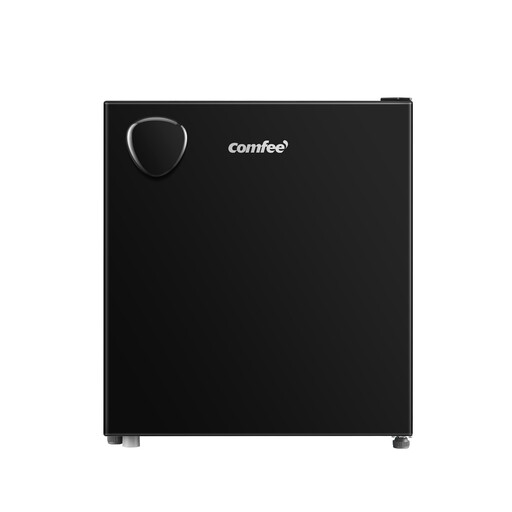
Comfee’ Youniq Series RCD48BL2EUY(E), 43 L
For a very small amount of food when you need a slim appliance for the kitchen or office; check the temperature where you’ll store your food.
43 l capacity, 44,5 cm wide and with three temperature settings.
Height-adjustable shelves and a separate chill box.
View at Joybuy
 No image available
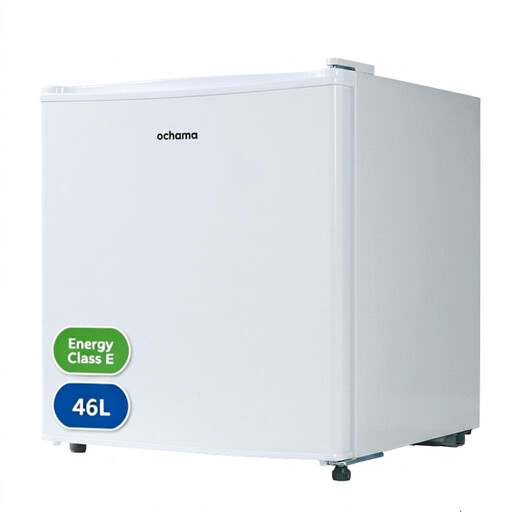
ochama Counter-Top Refrigerator, 46 L
For a limited amount of lunch ingredients; check that the stated cooling range suits the storage instructions on your yoghurt.
46 l capacity and a stated temperature setting of 2–8 °C.
External dimensions: 440 × 470 × 510 mm; stated daily energy consumption: 0,35 kWh.
View at Joybuy
 No image available
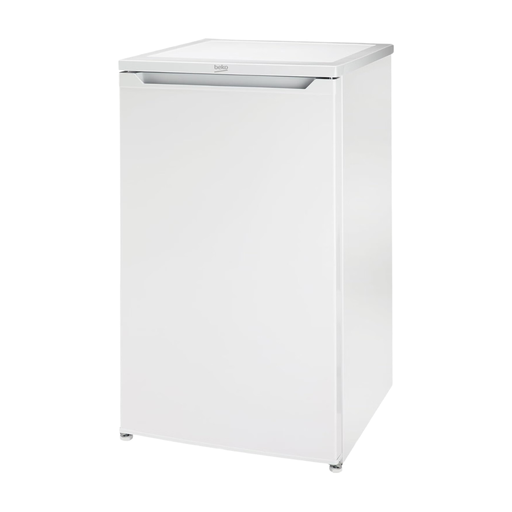
Beko TS190040N fridge, 88 L
For a smaller food shop if you’re looking for a freestanding fridge without a freezer compartment; check the space available and your yoghurt’s storage requirements.
88 l capacity, 47,5 cm wide and with a reversible door.
Includes three glass shelves, a salad crisper and a thermostat for temperature control; stated noise level is 38 dB.
View at Joybuy
 No image available
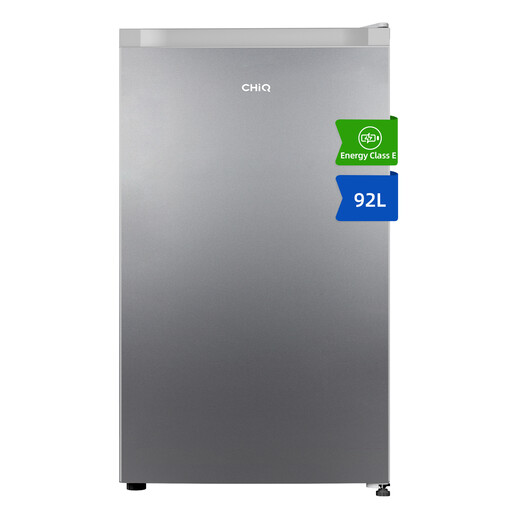
CHiQ JR92DSE fridge, 92 L
For a slightly larger supply of fresh food when kitchen space is limited; check that the temperature on the intended shelf suits your yoghurt.
92 l capacity, 47 cm wide and with seven temperature settings.
Adjustable glass shelves, door shelves and a salad crisper; the door is reversible.
View at Joybuy
Frequently asked questions
Where should I store yoghurt in the fridge?
The Verbraucherzentrale recommends the middle shelf at 5 to 7 °C as a guide. Always follow the storage instructions for your specific yoghurt and check the temperature where you plan to keep it.
Will yoghurt stay cool until lunchtime automatically once I take it out of the fridge?
No. Fridge cooling doesn’t automatically keep it cool during the journey that follows. The German Federal Institute for Risk Assessment recommends keeping perishable foods cool while travelling, too, so plan separately for the journey and storage at your destination.
How do I compare the energy consumption of two fridges?
For appliances of a suitable size, compare the kWh per year on the EU energy label. The European Commission also lists capacity and whether the appliance has a freezer compartment. You can work out the running costs using your own electricity rate.
Do I need a freezer compartment for yoghurt?
No. Fresh yoghurt needs fridge space, not a freezer compartment. A freezer compartment or fridge-freezer could be suitable if you also regularly store frozen food or want to freeze food.


