
Lieferung heute & morgen

Qualitätsgarantie

Willkommens-Angebote freischalten: KOSTENLOSE Lieferung | Bis zu 80 % RABATT | Kostenlose 30-Tage-JoyPlus-Testphase
App herunterladen
A fridge freezer combines a fridge and freezer compartment in one appliance, helping you save space. However, not every model is suitable for every kitchen. Small flats often need a compact fridge, while families require more usable capacity and a well-organised freezer area.
When buying, avoidable costs often arise from three common pitfalls:
A model with around 200 to 260 litres may be sufficient for singles or couples. Families should check whether the fridge freezer offers at least around 300 litres of usable capacity. The layout is also important:
Pay attention to the separate fridge and freezer capacities. For example, an appliance with a total capacity of 253 litres may offer 182 litres for the fridge and 71 litres for the freezer compartment.
The EU energy label uses a scale from A to G. However, the energy efficiency class should never be considered in isolation. Also compare the stated annual consumption in kilowatt hours.
A simple calculation helps put this into perspective:
Annual consumption in kWh × your electricity price per kWh = approximate annual electricity cost
An energy-efficient fridge using 141 kWh per year may be cheaper to run at the same electricity price than a larger model using 289 kWh. At the same time, greater usable capacity, the design and additional functions can increase total consumption. This is why it is worth taking a close look at the energy label when considering side-by-side and French-door appliances.
For an open-plan kitchen, office or studio flat, a quiet fridge producing around 35 to 40 dB(A) is generally more comfortable. The value is shown on the energy label. Actual perceived noise also depends on the floor, distance from the wall and the compressor’s operating phase.
Also check the following:
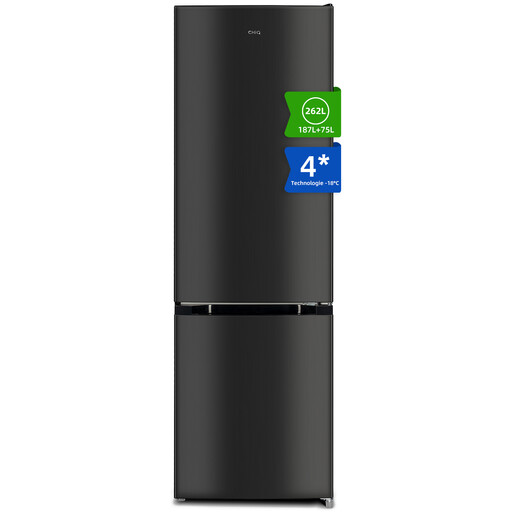
Why this product suits the profile: This 54 cm-wide freestanding fridge freezer is ideal for smaller kitchens and households that shop regularly but do not need to store large quantities.
The product data states 262 litres of usable capacity, annual consumption of 215 kWh and a noise level of 39 dB(A). Low Frost is expressly identified as a system that requires manual defrosting.
187 litres of fridge capacity, 75 litres of freezer capacity, a reversible door and three freezer drawers.
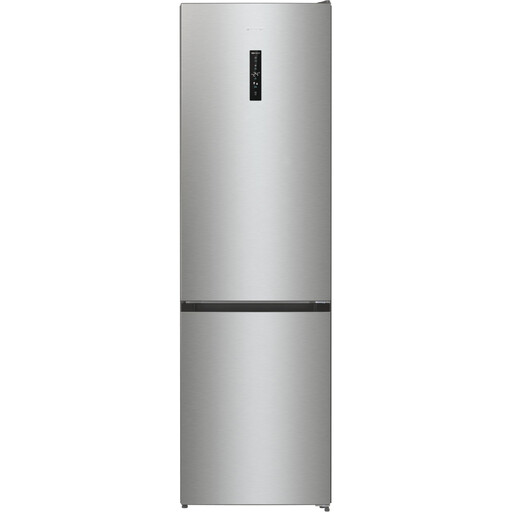
Why this product suits the profile: This appliance combines 331 litres of usable capacity with No Frost, rapid-cooling functions and a cabinet width of 60 cm.
According to the product information, No Frost applies to both the fridge and freezer compartments. Annual consumption is 158 kWh and the noise level is 35 dB.
235 litres of fridge capacity, 96 litres of freezer capacity, reversible doors, a door alarm, plus Super Cool and Fast Freeze functions.
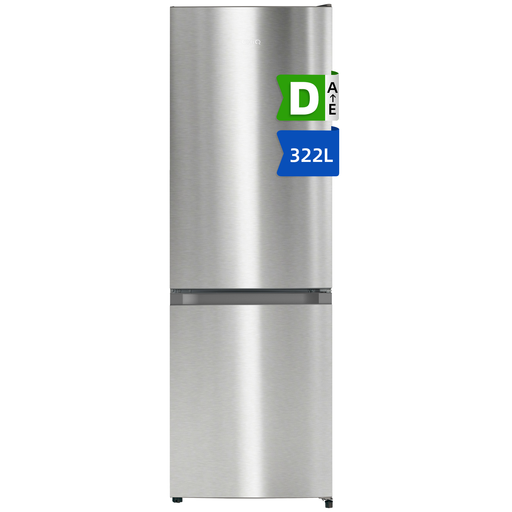
Why this product suits the profile: With 322 litres of usable capacity and climate classes N, SN, ST and T, this model is an interesting option for families and suitable utility rooms or garages.
The product data lists Total No Frost, annual consumption of 196 kWh and a noise level of 37 dB(A). Its installation depth of 63.5 cm should be checked before purchase.
226 litres of fridge capacity, 96 litres of freezer capacity, a Fast Freeze function and a stated ambient temperature range of 10 to 43 °C.
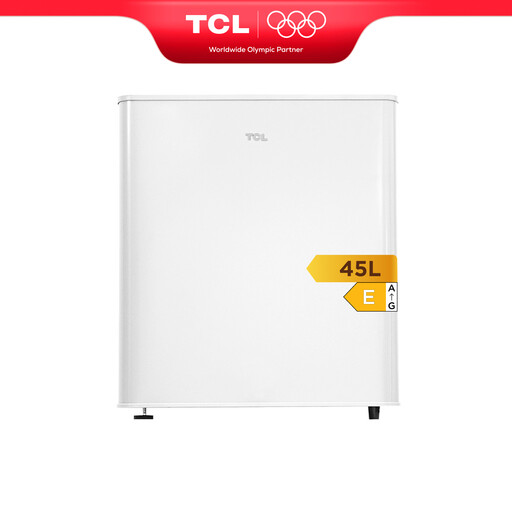
Why this product suits the profile: This compact fridge with a small freezer compartment is designed for offices, guest rooms, bedrooms or additional drinks storage.
The dimensions of 44.9 × 48.5 × 51.2 cm and total capacity of 45 litres are clearly stated. The freezer compartment holds just 3 litres, so it is not intended for storing large supplies.
42 litres of fridge capacity, a 3-litre freezer compartment, adjustable feet and a stated noise level of 40 dB.
We have put together a complete, regularly updated list of products that fully meet these strict selection criteria and the safety regulations applicable in the EU.
Before buying, measure the width, height and depth of the space where the appliance will stand. Also consider:
Some models have a reversible door or height-adjustable feet. These features make it easier to adapt the appliance to different kitchen layouts, but they do not replace checking the actual installation conditions.
This depends on how often you shop and the proportion of frozen food you store. Around 200 to 270 litres may be sufficient for two or three people. Larger families often benefit from around 300 litres or more. The separate division between fridge and freezer compartments is more important than the total figure alone.
No Frost can be useful if you want to avoid manual defrosting. Check the product description carefully: some appliances use No Frost only in the freezer compartment, while others automatically defrost both areas. With Low Frost, occasional defrosting is still required.
Its lifespan depends, among other things, on usage, ventilation, cleaning and the strain placed on the compressor. Regularly checking the door seal, keeping ventilation openings clear and maintaining a suitable ambient temperature all support proper operation. The warranty and service conditions of the individual manufacturer remain decisive.