
Lieferung heute & morgen

Qualitätsgarantie

Willkommens-Angebote freischalten: KOSTENLOSE Lieferung | Bis zu 80 % RABATT | Kostenlose 30-Tage-JoyPlus-Testphase
App herunterladen
If you’re looking to buy a fridge and a shadow box online, you’ll be comparing two very different types of product. In both cases, though, pictures and brief product claims can leave out important details. For fridges, the key considerations are usable capacity, noise level, energy consumption and installation dimensions. For a wall-mounted shadow box, the internal dimensions, material, fastening and mounting method all affect how practical it is for everyday use.
A fridge with large external dimensions won’t necessarily offer plenty of storage space. The important figure is the stated usable capacity in litres and how it’s divided up. A fridge-freezer also splits its capacity between the fridge and freezer compartments. So, if you mainly store fresh food, a larder fridge without a freezer compartment may give you more usable space.
For a built-in fridge, the height, width and depth of the recess must also match the manufacturer’s specifications. Check the door opening direction and hinge type before buying, too.
A quiet fridge is particularly useful in an open-plan kitchen or a small flat. Its dB(A) rating provides an objective basis for comparison. Even a difference of a few decibels can be noticeable when the appliance runs continuously. To work out running costs, check the stated annual energy consumption in kWh. Don’t consider the energy efficiency class on its own.
A shallow picture frame isn’t necessarily suitable for three-dimensional keepsakes. Tickets, small figurines, dried flowers and souvenirs need a deep display case with enough internal depth. A clear front panel, sturdy backing and secure wall mounting are important, too.
These points can help households, couples and small families narrow down their options:
When choosing an energy-efficient fridge, check its annual energy consumption as well as its energy class. A larger fridge may use more electricity overall than a smaller one, even if it has a good energy rating.
When choosing a wooden keepsake box, pay particular attention to these three specifications:
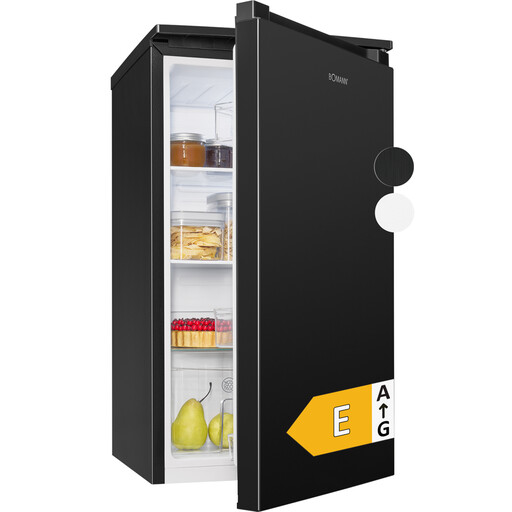
Why it suits this type of buyer: This mini fridge offers 87 litres of usable capacity, making it a good fit for individuals, couples, offices or rooms with limited floor space.
The product specifications clearly state the usable capacity, external dimensions, annual energy consumption of 85 kWh and operating noise level of 40 dB.
LED interior lighting, three glass shelves, a salad drawer and a reversible door, all in a compact design.
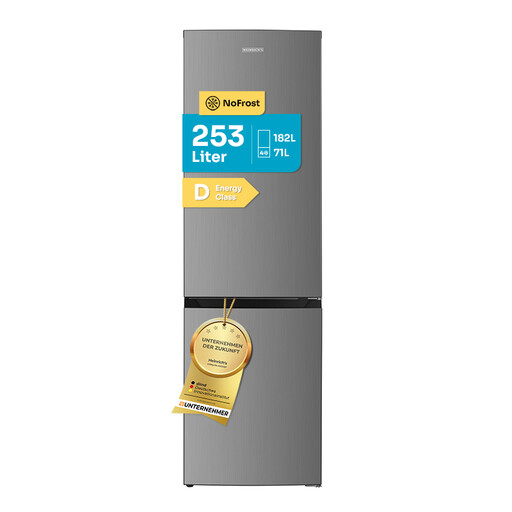
Why it suits this type of buyer: This freestanding fridge-freezer is designed for smaller households that need both fridge and freezer space in one appliance.
The split between 182 litres of fridge capacity and 71 litres of freezer capacity makes it easy to see how the storage space is divided.
No Frost function, LED lighting, reversible door and a stated operating noise level of 39 dB.
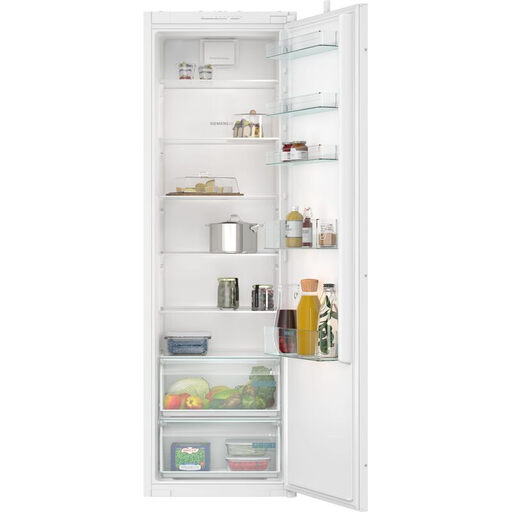
Why it suits this type of buyer: This built-in fridge is designed for kitchens with a compatible 177.5 cm recess and a need for plenty of fridge-only storage.
The product description gives the installation dimensions as 177.5 × 56 × 55 cm and the noise level as 35 dB(A). Check the recess dimensions carefully before ordering.
310 litres of usable capacity, seven glass shelves, two freshness compartments, LED lighting and automatic defrosting.
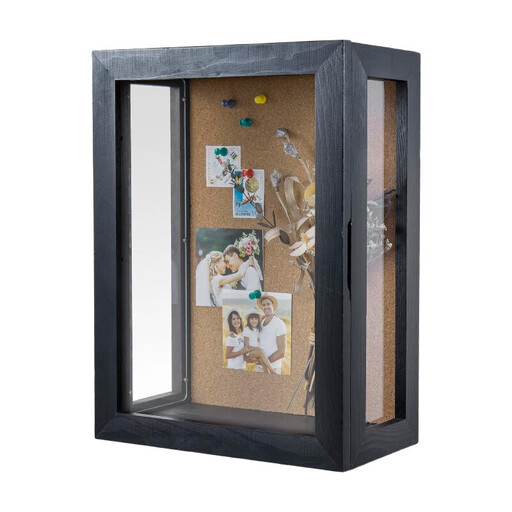
Why it suits this type of buyer: This wall-mounted shadow box is ideal for décor enthusiasts and collectors who want to display photos, keepsakes or three-dimensional objects.
The stated internal depth of 4.9 inches and acrylic glass panels make it easier to judge whether it’s suitable for 3D objects.
Solid wood frame, cork backing, magnetic closure, hinged door and mounting hardware included.
We’ve put together a complete, regularly updated list of products that meet these strict selection criteria and fully comply with the safety regulations in force in the EU.
It depends on how often you shop and whether you need freezer space. An 87-litre fridge may be enough for one person or as an extra appliance. Larger models or a fridge-freezer are usually more practical for couples and small families. The way usable capacity is divided up matters more than the external dimensions alone.
Compare the stated annual energy consumption in kWh and take the size of the appliance into account. For a rough estimate of the cost, multiply the annual energy consumption by your electricity price per kilowatt-hour. Actual costs may vary depending on room temperature, settings, how full the fridge is and how you use it.
First, check the wall material, the type of wall plug required and the total weight. Use the designated mounting points and hang the box on a flat surface that can safely support it. Keep small magnets and loose parts out of the reach of young children.