
Lieferung heute & morgen

Qualitätsgarantie

Willkommens-Angebote freischalten: KOSTENLOSE Lieferung | Bis zu 80 % RABATT | Kostenlose 30-Tage-JoyPlus-Testphase
App herunterladen
A fridge with freezer compartment is one of those appliances where the wrong choice quickly becomes noticeable in everyday use. If the freezer compartment is too small, there is not enough room for stored food. If the fridge freezer is too large, it may not fit through doorways or could stand too close to the wall. Even a low purchase price can be offset by high energy consumption or an impractical interior layout.
The Joybuy Product Recommendation Officer therefore filters the most important details from product descriptions and categorises them according to typical usage scenarios. This makes it easier to decide whether a freestanding fridge, a compact mini fridge, a separate freezer or a large fridge freezer is right for your household.
The total capacity in litres initially sounds clear-cut. However, what matters is how it is divided between fridge capacity and freezer capacity. For example, an appliance with 175 litres of usable capacity may offer 122 litres for food in the fridge section and 53 litres for frozen food. Anyone who regularly freezes supplies will need a different layout from a household that mainly stores fresh food.
With a mini fridge, it is also important to remember that a stated total capacity of 45 litres does not automatically mean 45 litres of freely usable fridge space. A separate freezer compartment, door shelves and storage shelves reduce the space that is practically available.
A No Frost freezer reduces ice formation through automatic circulating-air cooling. In appliances with Total No Frost, this generally applies to both the fridge and freezer sections. Even so, cleaning the door seals, checking ventilation clearances and loading the appliance appropriately are still necessary.
Traditional appliances with manual defrosting can regularly develop a layer of ice. This takes time to remove and can reduce the usable interior space. If you want to keep maintenance to a minimum, check specifically whether only the fridge section defrosts automatically or whether the freezer compartment does too.
The energy efficiency class provides standardised guidance, but it does not replace checking the annual consumption in kWh. Two appliances in the same class may use different amounts of electricity depending on their size. For ongoing costs, the actual consumption shown on the EU product information sheet is therefore relevant.
An energy-efficient fridge should also be positioned with sufficient clearance from radiators and direct sunlight. Good ventilation supports the appliance’s intended operation and prevents the compressor from running unnecessarily long.
Before ordering, checking the height, width and depth is essential. You should also take door-opening angles, skirting boards, worktops and the delivery route into account. A fridge with a reversible door hinge is useful if the opening direction needs to be adapted to your kitchen layout.
With freestanding appliances, the required air circulation must not be blocked by furniture or walls. The specific clearances are stated in the relevant instruction manual.
The figure in dB(A) is particularly relevant for open-plan kitchens, studio flats, offices or guest rooms. Levels of around 38 to 40 dB are considered relatively quiet in a typical household environment, although the perceived noise also depends on the floor, distance from the wall and operating condition. An appliance rated at 35 dB, such as the Bauknecht KGDNF 20CD IN according to the product information, may therefore be worth considering for noise-sensitive rooms.
A 4-star freezer compartment is designed for the long-term storage of frozen food. The freezing capacity in kilograms per 24 hours indicates how much freshly added food the appliance can freeze within this period. Functions such as “Fast Freeze” are particularly useful after larger shopping trips or with a separate freezer containing large quantities of stored food.
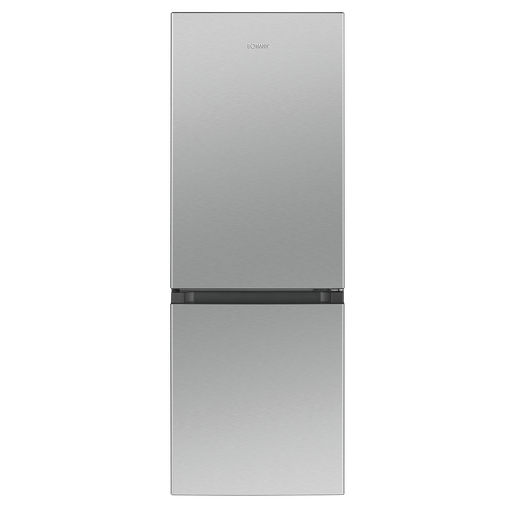
Why this product suits this profile: This combination offers 175 litres of usable capacity, including 122 litres of fridge space and 53 litres of freezer space. It is therefore suitable for singles or couples who regularly keep a modest amount of food in stock.
The separate fridge and freezer capacity figures make it easier to plan realistically. Consumption is stated as 156 kWh per year.
Energy efficiency class D, 39 dB, three glass shelves and a reversible door hinge.
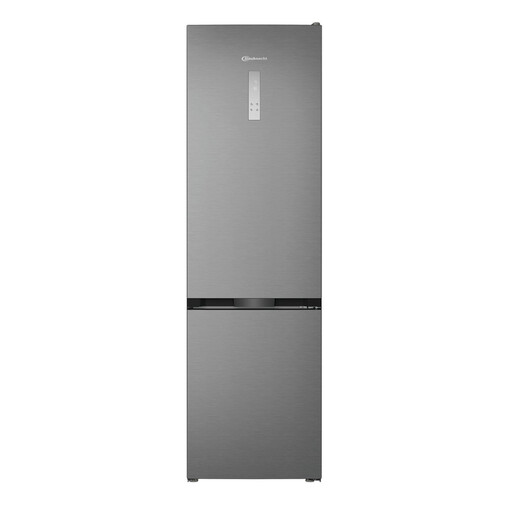
Why this product suits this profile: With 415 litres of total capacity, 297 litres of fridge space and 118 litres of freezer space, this freestanding appliance is designed for larger households.
Dual Cool Total NoFrost with two cooling circuits reduces the need for manual defrosting. The reversible door allows for flexible positioning.
Energy efficiency class C, annual consumption of 214 kWh, 35 dB, touch display and app notifications.
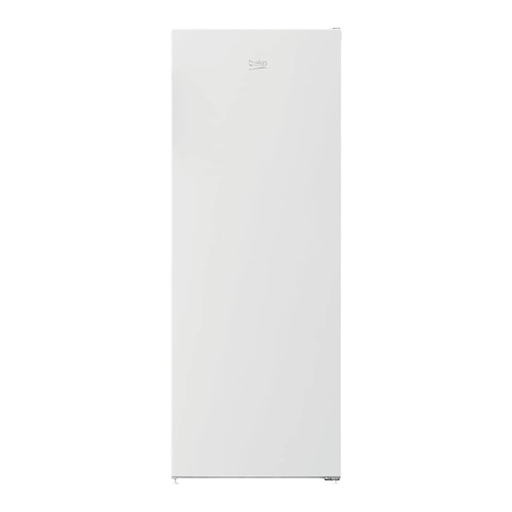
Why this product suits this profile: As a separate storage appliance, the 177-litre freezer complements an existing fridge and is suitable for families, large shops or use in a garage.
The No Frost design addresses the maintenance caused by ice formation. The temperature alarm and reversible door hinge provide greater practical control.
Three drawers, two compartments, Fast Freeze function, 40 dB and operation at ambient temperatures as low as -15 °C according to the product information.
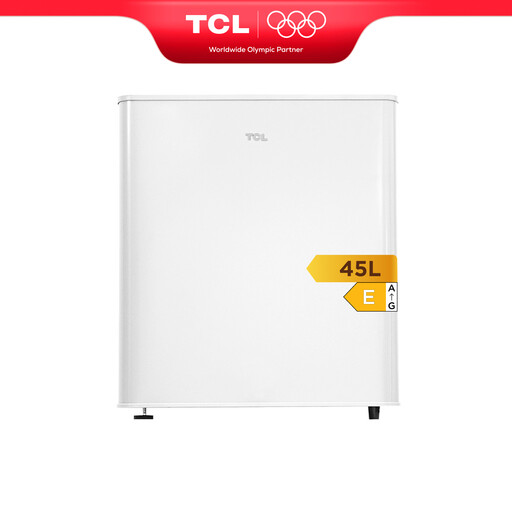
Why this product suits this profile: Measuring 449 × 485 × 512 mm, this compact mini fridge takes up very little floor space and is suitable for offices, student accommodation, guest rooms or camping areas.
The ratio of 42 litres of fridge space to 3 litres of freezer space makes its intended use clear. A mechanical thermostat allows for straightforward adjustment.
One glass shelf, adjustable feet, 40 dB and energy efficiency class E.
We have put together a complete, regularly updated list of products that fully meet these strict selection criteria and the safety regulations applicable in the EU.
For one person, a compact appliance of around 80 to 150 litres may be sufficient if only small quantities are being stored. Couples often need more fridge space. Families generally benefit from a fridge freezer with at least around 250 litres, although individual storage needs are the deciding factor. For frozen food supplies, a separate appliance such as a 177-litre freezer may be the more practical choice.
The lifespan depends on the compressor, seals, installation location, care and intensity of use. Regular cleaning, sufficient ventilation and closing the door without unnecessary delay all help ensure trouble-free operation. If you notice unusual noises, continuous operation or declining cooling performance, consult the instruction manual or an authorised service centre.
Annual costs can be estimated as follows: annual consumption in kWh × electricity price per kWh. A small fridge using 85 kWh per year would cost approximately 29.75 Euro per year at an assumed tariff of 0.35 Euro per kWh. Actual costs depend on the tariff and operating conditions.