
Lieferung heute & morgen

Qualitätsgarantie

Willkommens-Angebote freischalten: KOSTENLOSE Lieferung | Bis zu 80 % RABATT | Kostenlose 30-Tage-JoyPlus-Testphase
App herunterladen
Choosing a new washing machine is a decision that should be based on an analysis of technical specifications and how they align with your household's individual needs. A front-load washing machine is the most common type in Europe and offers a wide range of features and efficiency classes. This guide focuses on the objectively measurable criteria relevant for making an informed purchasing decision.
Before purchasing a washing machine, it is crucial to evaluate the following technical parameters. These criteria determine the operating costs, user convenience, and the appliance's lifespan.
Since March 1, 2021, the new EU energy label has been in effect, rating efficiency on a scale from A (highest efficiency) to G (lowest efficiency). A Class A washing machine is distinguished by its low electricity and water consumption. The energy consumption value in kilowatt-hours (kWh) shown on the label refers to 100 wash cycles in the Eco 40-60 program. A low value directly translates to lower running costs.
The capacity, specified in kilograms (kg), should match the size of your household:
Optimal drum utilization enhances the efficiency of water and energy consumption per wash cycle.
The spin speed, measured in revolutions per minute (RPM), affects the residual moisture in the laundry. A higher speed (e.g., a 1400 RPM washing machine or 1600 RPM) extracts more water from the clothes. This shortens the subsequent drying time in a tumble dryer or on a line, which can save energy costs. The spin efficiency class (A to G) on the energy label also provides information on drying performance.
For apartments where the washing machine is located in the kitchen or an open-plan living area, a quiet washing machine is a significant advantage. The noise emission is specified in decibels (dB) for the spin cycle and is categorized on the energy label from Class A to D. Models with an inverter motor (brushless motor) often operate more quietly and with less wear than appliances with conventional motors.
Modern washing machines offer a range of additional functions, the utility of which should be weighed individually:
Based on an analysis of technical data and features, we present three models that cater to different user profiles.

Why we recommend this product With a depth of just 44 cm, the Bomann WA 7161 is a space-saving solution for smaller apartments or niches. Despite its compact design, it achieves energy efficiency class A and features a brushless DC motor, designed for quiet and durable operation.
Pros
Best for This model is suitable for one to two-person households or users with limited space who value high energy efficiency and a durable motor.
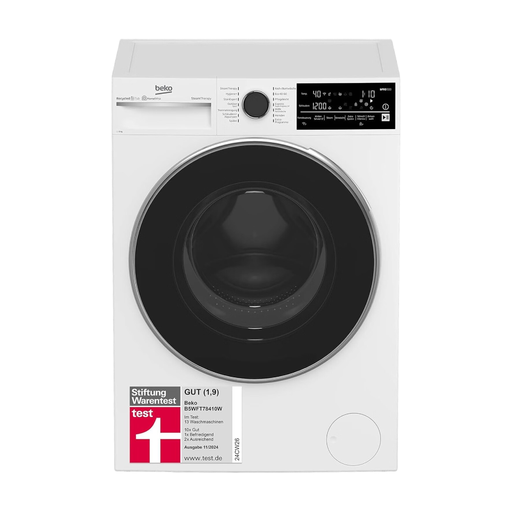
Why we recommend this product The Beko B5WFT78410W offers a solid set of features for families with its 8 kg capacity and 1400 RPM. The SteamCure function loosens dirt before the wash and reduces wrinkles afterward. The appliance was rated "GOOD (1.9)" by the German consumer organization Stiftung Warentest, providing an objective benchmark for its performance.
Pros
Best for Ideal for households of 3-4 people looking for a washing machine with a steam function and smart features. The positive rating from an independent organization offers additional peace of mind.
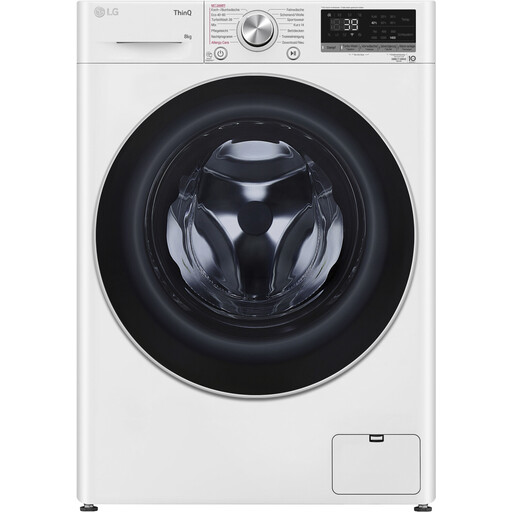
Why we recommend this product The LG F4WV708P1E is a smart washing machine equipped with AI DD technology. This not only detects the load weight but also the softness of the fabric to automatically select the optimal wash pattern. The TurboWash 360° function cleans a half load in just 39 minutes, while the steam function ensures hygienic cleanliness.
Pros
Best for This model is aimed at tech-savvy users and families who demand the highest standards for fabric care, hygiene, and speed. The comprehensive smart features offer maximum convenience.
The market offers a wide variety of other front-load washing machines that differ in price, features, and design. If the models presented here do not exactly meet your requirements, you can find a wider selection for further research in our main category.
Discover more appliances in the Washing Machines & Laundry category.
1. What does energy efficiency class A mean for a washing machine? Energy efficiency class A, according to the new EU label (valid since 2021), identifies the most economical appliances on the market. A washing machine in this class consumes significantly less electricity and water per 100 wash cycles compared to appliances in classes B through G, leading to lower running costs.
2. What is the benefit of a washing machine with a steam function? A steam function offers two main advantages: First, it can refresh laundry and reduce wrinkles, which makes ironing easier or even unnecessary. Second, it enables hygienic cleaning at lower temperatures, as the hot steam effectively eliminates bacteria and allergens. This is particularly beneficial for allergy sufferers and households with small children.
3. How important is the spin speed on a front-loader? The spin speed is an important factor if you regularly use a tumble dryer. A high speed (e.g., 1400 or 1600 RPM) removes more water from the laundry, reducing residual moisture. As a result, the dryer needs less time and energy to dry the clothes completely. For air-drying alone, the effect is less critical but can still shorten the drying time.