
Lieferung heute & morgen

Qualitätsgarantie
App herunterladen
Kategorien
Choosing a new washing machine is a decision that should be based on technical specifications and your household's individual needs. A front-load washing machine is a popular choice in many homes due to its efficiency and design. This article breaks down the key criteria for making a selection and presents models with specific, standout features.
A thorough evaluation should be based on objective parameters. The following criteria are essential for making an informed decision.
The new EU energy label, which includes classes A to G, has been in effect since March 2021. An energy-efficient washing machine in Class A is distinguished by its low electricity consumption per 100 wash cycles. This value, measured in kilowatt-hours (kWh), is a direct indicator of long-term running costs. Models designated as a Class A washing machine offer the highest current standard in energy efficiency. Water consumption per cycle, also listed on the label, is another important factor for both operating costs and environmental impact.
Capacity, specified in kilograms (kg), determines how much dry laundry can be cleaned per wash cycle. The right size depends on the size of your household:
An oversized drum that is regularly only half-filled operates inefficiently. However, modern appliances with load detection adjust water and energy consumption to the actual load size.
Modern front-load washers offer a range of additional features tailored to specific needs.
The noise level of a washing machine, measured in decibels (dB), is particularly relevant if the appliance is located in the kitchen or near living areas. Pay attention to two values: the noise emission during the wash and spin cycles. A quiet washing machine is often powered by an inverter motor (brushless DC motor, BLDC). These motors have less wear, are quieter, and are more energy-efficient than conventional brushed motors. Values below 72 dB during the spin cycle are considered relatively quiet.
Based on the technical criteria above, here are some models that cater to different user profiles with their specific features.
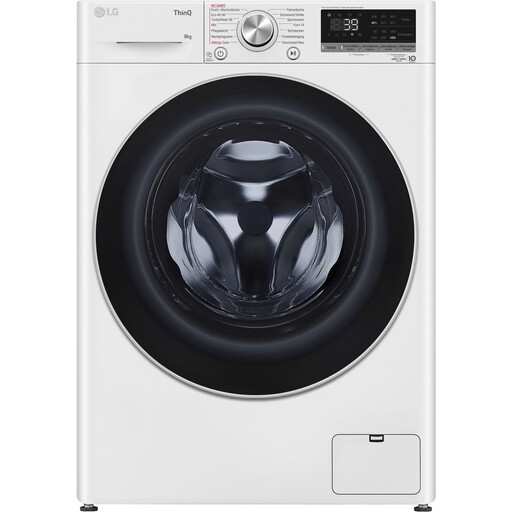
Why we recommend this product: This model combines an 8 kg capacity with advanced technologies. The AI DD technology not only detects the load weight but also the softness of the fabric to select the optimal wash pattern. The Inverter Direct Drive motor ensures quiet operation and durability.
Pros:
Best for: Households that value technological innovation, smart features, and gentle care for a variety of textiles.
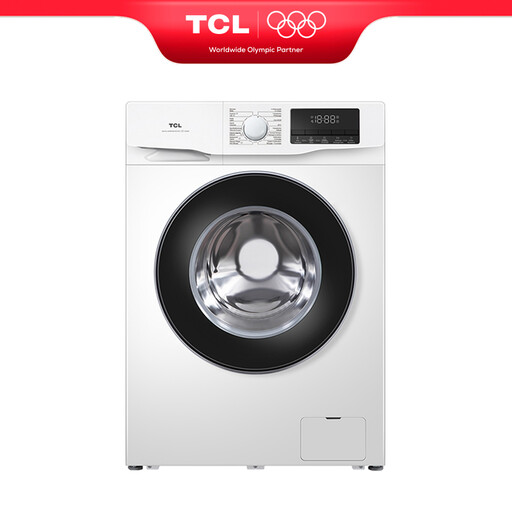
Why we recommend this product: With a depth of only 45 cm, this model is a solution for homes with limited space. Despite its compact design, it offers modern features like a BLDC inverter motor and a steam function.
Pros:
Best for: Singles, couples, or small households living in apartments with limited space who need a functional, compact washing machine.
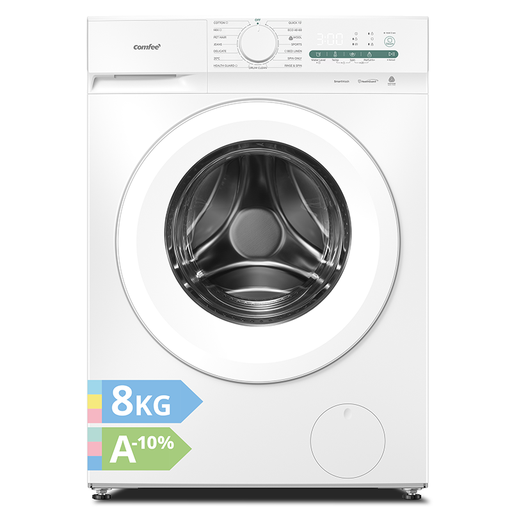
Why we recommend this product: This model is designed to meet the needs of families and pet owners. It features a special programme for pet hair removal and high energy efficiency, consuming 10% less than the Class A threshold.
Pros:
Best for: Families, and especially households with pets, who need a washing machine with high capacity, specialised cleaning programmes, and excellent energy efficiency.
The products featured here cover specific user profiles. However, the range of front-load washers is much broader, offering solutions for every household size and budget. You can find a wider selection of appliances with different specifications in our Washing Machines category.
1. What does Energy Efficiency Class A mean for a washing machine? Energy Efficiency Class A, according to the new EU label (valid since March 2021), identifies the most economical appliances currently on the market. The rating is based on energy consumption in kWh per 100 wash cycles in the Eco 40-60 programme. A Class A washing machine consumes significantly less electricity than models in classes B through G, resulting in lower running costs.
2. Is a washing machine with a steam function worth it? A steam function can be worthwhile if you have specific needs. It helps to reduce wrinkles, which makes ironing easier. It can also remove odours from lightly worn clothes (refresh function). For allergy sufferers, the hygienic aspect is relevant, as high-temperature steam can effectively reduce allergens like pollen and dust mites, as well as bacteria.
3. What capacity does a 2-person household need? For a 2-person household, a washing machine with a capacity of 6 to 7 kg is generally sufficient. This size allows you to wash the usual amount of laundry efficiently without constantly underloading the machine. If you regularly wash large items like duvets, an 8 kg model could also be an option worth considering.