
Lieferung heute & morgen

Qualitätsgarantie

Willkommens-Angebote freischalten: KOSTENLOSE Lieferung | Bis zu 80 % RABATT | Kostenlose 30-Tage-JoyPlus-Testphase
App herunterladen
Frozen dumplings and gyoza are a convenient option for quick meals, snacks, or an effortless dinner shared with several people. However, Japanese gyoza, Korean mandu, Chinese dumplings, shrimp dumplings, and vegan varieties differ considerably in terms of filling, portion size, and preparation.
Focusing only on product images or terms such as “authentic” can mean overlooking important details. The following criteria will help you choose frozen Asian dumplings and gyoza with confidence while avoiding common purchasing mistakes.
Japanese gyoza are often cooked in a pan with oil and a little water. Other frozen dumplings, by contrast, are intended primarily for steaming or boiling. If you do not check the cooking instructions, you risk ending up with dough that is too soft, a split wrapper, or a filling that has not been cooked through completely.
Look for information such as “cook directly from frozen,” the recommended cooking time, and the required amount of water. With some products, the instructions can vary considerably depending on the cooking method.
Packs weighing 560 g, 600 g, 800 g, or 1 kg are suitable for families, stocking up, or preparing multiple portions. For a single household, however, 300 g or 350 g may be more practical. Once opened, the packaging should be resealed securely, and the product should be stored immediately at –18 °C or below.
Important: As a rule, frozen dumplings must not be refrozen after thawing. The specific instructions on the packaging always take precedence.
Soy sauce, wheat, sesame, egg, or fish ingredients may also be present in products whose main ingredient initially appears straightforward. Shrimp dumplings, for example, often contain fish, wheat starch, or sesame oil as well. Vegan dumplings may contain soybeans, wheat gluten, and sesame.
You should therefore check the complete ingredients list and highlighted allergens before purchasing. For the products mentioned here, the product information identifies wheat or gluten, soy, and sesame, among other ingredients. Seafood varieties often additionally contain crustaceans and fish.
The filling determines the flavour, texture, and suitability for different dietary preferences:
For pan-frying, choose products with specific instructions for the amount of oil, water, and cooking time. A typical gyoza method involves first frying several frozen dumplings in oil, then adding water and finishing them covered.
Steaming generally keeps dumplings more succulent. Depending on the product, cooking times may range from 7 to 12 minutes. When boiled, some Chinese dumplings take approximately 6 to 8 minutes. If stated on the packaging, the recommended core temperature of above 70 °C should be reached.
Do not compare only the pack price; also check the unit price per 100 g. A 300 g pack may be sufficient for a quick meal in a single-person household, while 600 g or 1 kg packs may be more practical for families and stocking up. Products that state the number of pieces also make it easier to estimate how many portions each pack provides.
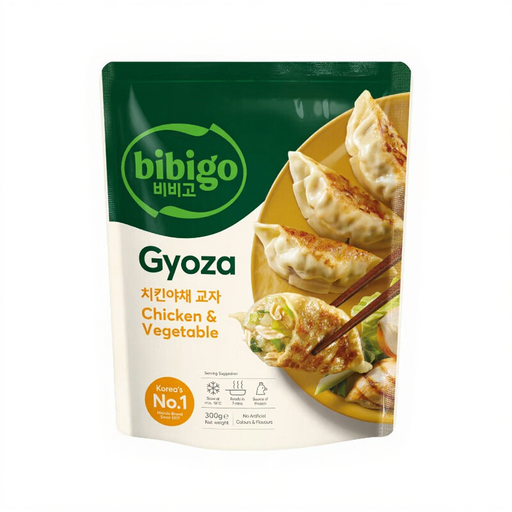
Why This Fits Their Persona: The 300 g pack is well suited to individuals, couples, or first-time buyers. According to the product information, the gyoza can be pan-fried in around seven minutes.
The pack size limits the risk of buying more than you can use. The allergen declaration lists wheat, gluten, soy, and sesame.
300 g net weight; can be prepared in a pan or deep fryer according to the product information.
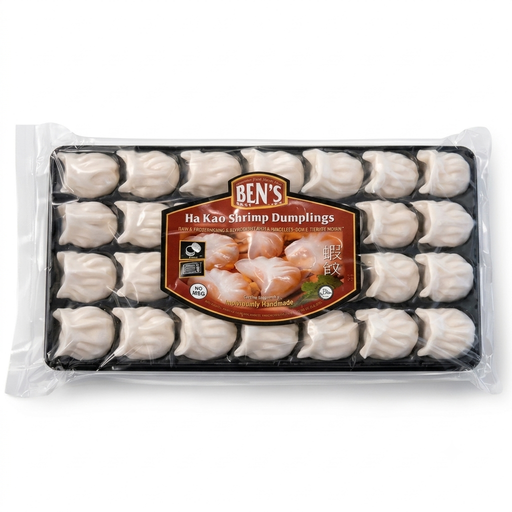
Why This Fits Their Persona: These Ha Kau dumplings are ideal for anyone seeking a steamed seafood option in a larger pack size.
The product information states that the dumplings should be cooked directly from frozen and explicitly identifies crustaceans, fish, soy, and sesame.
800 g pack containing 32 pieces according to the product description; steaming or microwaving are available options.
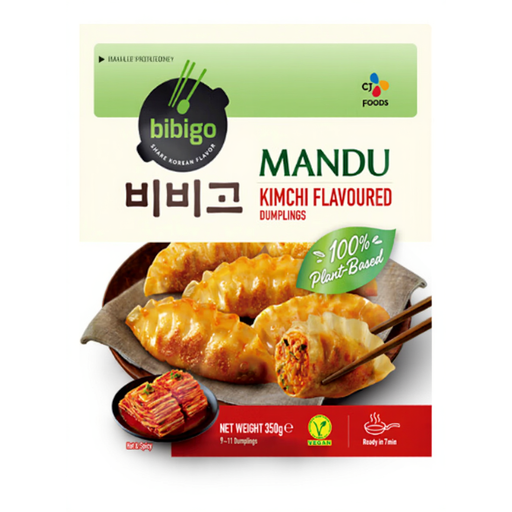
Why This Fits Their Persona: This variety is aimed at shoppers looking for vegan frozen dumplings with kimchi and Korean-inspired seasoning.
The product description identifies these dumplings as vegan. However, shoppers should check the current packaging, as it indicates that the product may contain traces of milk, egg, fish, and nuts.
38% vegetables according to the product information; can be steamed or pan-fried directly from frozen.
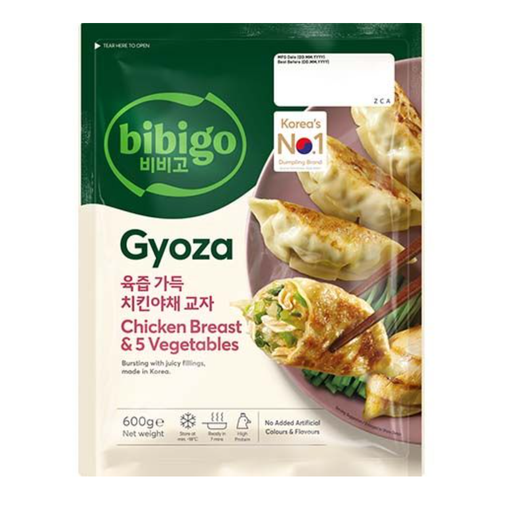
Why This Fits Their Persona: At 600 g and 30 pieces according to the product description, this pack is suitable for several diners or regular weekday meals.
The ingredients list specifies the proportion of chicken breast and vegetables. It also lists fish gelatin and allergens such as wheat, soy, and sesame.
600 g net weight; pan-frying and deep-frying instructions with specific cooking times.
We have compiled a complete, real-time list of products that fully satisfy these strict selection criteria and UK safety regulations.
It depends on their shape, filling, and cooking method. Typical instructions call for around six to eight minutes when boiling, seven to twelve minutes when steaming, or approximately seven minutes when pan-frying. The instructions on the specific packaging always take precedence.
Not every product explicitly lists this method. If air-frying is approved, follow the time and temperature stated on the packaging. Without specific instructions, a pan, steamer, or saucepan is the safer choice. The dumplings must be heated through completely.
The specific best-before date is printed on the packaging. If stored continuously at –18 °C or below and kept in undamaged packaging, they remain suitable for storage until that date. Once opened, the pack should be resealed securely, and the dumplings should not be refrozen after thawing.