
Lieferung heute & morgen

Qualitätsgarantie

Willkommens-Angebote freischalten: KOSTENLOSE Lieferung | Bis zu 80 % RABATT | Kostenlose 30-Tage-JoyPlus-Testphase
App herunterladen
An authentic Asian hot pot experience hinges on the quality and variety of its ingredients. Fish balls and similar surimi products are especially essential, but the sheer selection can be overwhelming. Anyone looking to buy Asian fish balls in-store or online is often faced with a wall of packaging, all promising similar results. The disappointment is real when the balls fall apart in the pot, have a rubbery texture, or simply lack flavour.
As your Joybuy Product Recommendation Officer, I'm here to help you avoid the common pitfalls and find products that will truly elevate your hot pot.
Many products look appealing at first glance, but their true quality is only revealed in the hot broth. Watch out for these three common issues to avoid making the wrong choice:
To ensure your hot pot ingredients are high-quality, you should check three key parameters before buying. This information is usually found on the back of the packaging.
A high percentage of fish meat (surimi) is a clear indicator of quality. Products that explicitly state the fish content (e.g., "Surimi 44%") offer greater transparency. The type of fish used, often threadfin bream (Nemipterus spp.), influences the base texture and flavour. A higher fish content creates the characteristic elastic, "bouncy" consistency.
The shape often gives a clue about its texture and ideal use.
Filled fish balls, for instance with pork (like Fuzhou fish balls) or shrimp, offer an extra layer of flavour. Check the ingredients list to ensure the filling is made from high-quality components and not just flavourings. Brands like DoDo Fish Balls and FRESHASIA Surimi offer a wide range of options, from classic to filled varieties.
Here are some recommendations tailored to different needs and flavour profiles.
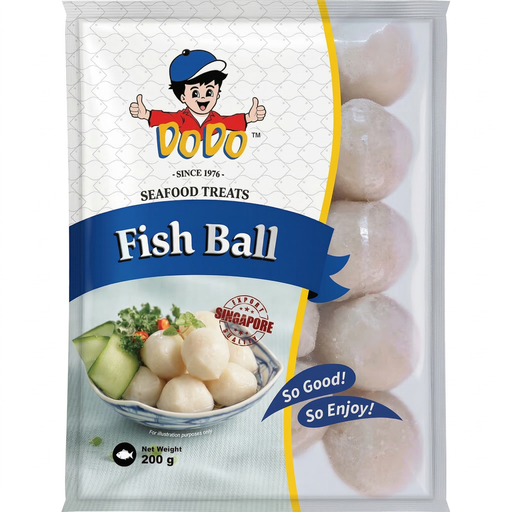
Why it's a great fit: Perfect for anyone looking for a reliable, classic ingredient for their first hot pot. These balls have a universally popular texture that harmonises well with most broths.
The product is based on real fish meat, which guarantees an authentic, bouncy texture and minimises the risk of mealy or mushy balls caused by excess starch.
Its classic, bouncy texture remains stable even during longer cooking times in the hot pot, ensuring that signature bite.
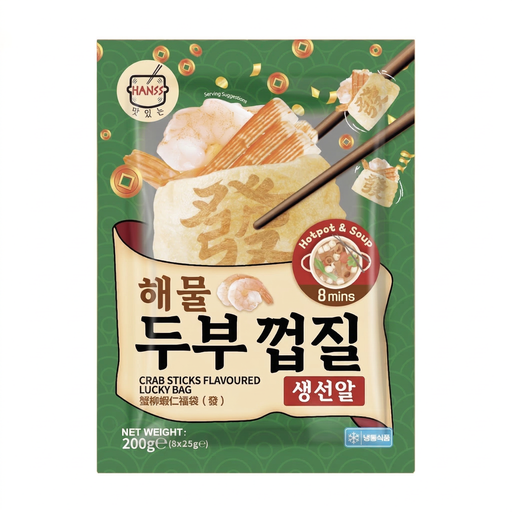
Why it's a great fit: For those who want to enrich their hot pot with new shapes and flavours. These "fortune bags" are visually appealing and contain a shrimp and crab-flavoured filling.
This product avoids the monotony of plain fish balls. The filling provides a distinct flavour and texture contrast, rather than just being vaguely labelled as "flavouring."
The creative, filled shape makes for a more diverse eating experience and adds visual appeal to the hot pot.
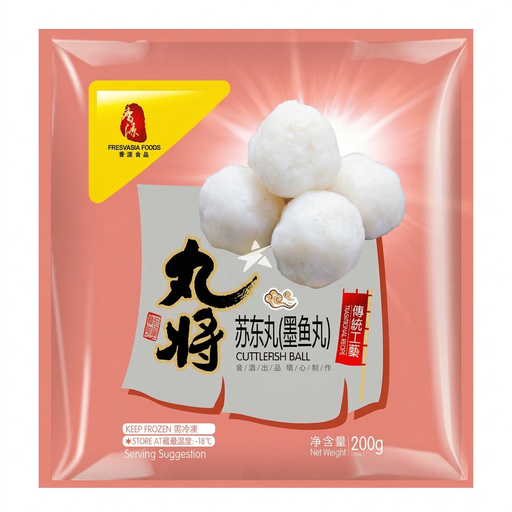
Why it's a great fit: Perfect for connoisseurs specifically seeking the firm and extra-bouncy texture of Cuttlefish Balls. The intense flavour pairs excellently with spicy broths.
This product delivers a specific, authentic texture that generic "seafood balls" often lack. The main ingredient is clearly declared as cuttlefish.
A noticeably firmer and more elastic texture compared to conventional fish balls, accompanied by an intense seafood flavour.
We have compiled a complete, up-to-date list of products that fully meet these strict selection criteria and all relevant food safety standards.
Most frozen surimi products are pre-cooked and only require a short cooking time. As a rule of thumb, they are ready after 4 to 6 minutes in the boiling broth. A good sign is when they float to the surface. However, always check the preparation instructions on the packaging, as times can vary depending on the size and type of product.
High-quality fish balls with a high surimi content will hold their shape and bouncy texture even after prolonged cooking. Products with a high starch content tend to become soft, develop a mealy consistency, or, in extreme cases, even fall apart. Choosing a product with a clear declaration of its fish content is therefore crucial.
Although both are made from surimi, they differ in shape and texture. Fish balls are typically round and known for their bouncy, elastic consistency. Fish tofu, on the other hand, is usually cut into blocks or slices and has a softer, more delicate texture reminiscent of tofu. Fish tofu is often lightly fried to create a thin outer skin, which gives it more structure during cooking.