
Lieferung heute & morgen

Qualitätsgarantie

Willkommens-Angebote freischalten: KOSTENLOSE Lieferung | Bis zu 80 % RABATT | Kostenlose 30-Tage-JoyPlus-Testphase
App herunterladen
Buying frozen shrimp offers exceptional flexibility and quality assurance for the home kitchen. Flash-freezing immediately after the catch preserves the freshness and nutrient density of the seafood. To make an informed purchasing decision, however, it is helpful to understand the key distinguishing features. This guide focuses on the technical specifications and objective criteria relevant to selecting frozen shrimp.
Choosing the right shrimp depends on your intended preparation method and personal preferences. The following parameters will help guide your selection.
The industry uses specific abbreviations for the state of the shrimp:
Shrimp size is often indicated as a grade or count, for example, "21/30". These numbers specify how many shrimp make up a specific unit of weight (often a pound or kilogram). A lower number means larger shrimp.
Also, pay attention to the net drained weight. Frozen shrimp are often coated in a protective ice glaze to prevent freezer burn. The total weight listed on the packaging includes this glaze. The net drained weight indicates the actual weight of the shrimp after thawing and is the more relevant figure for calculating portion sizes.
Based on the criteria above, we present a selection of products distinguished by their specific characteristics for various culinary applications.
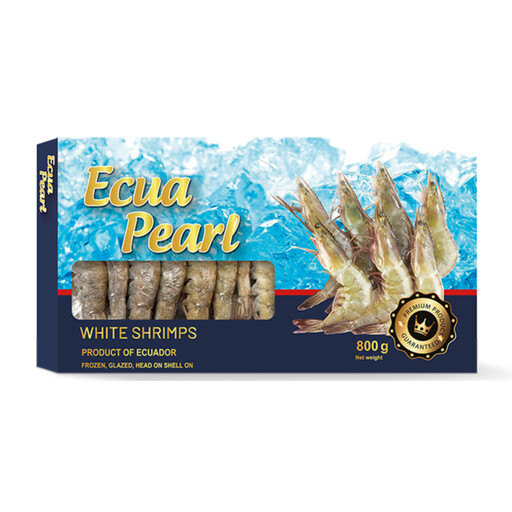
Why we recommend this product: These raw Vannamei shrimp are supplied in HOSO (Head On, Shell On) format. This allows for the preparation of a highly aromatic stock from the heads and shells, which significantly enhances the flavour of sauces and soups. The 30/40 grade indicates a medium-sized shrimp that is highly versatile.
Advantages:
Best for: Home chefs who value authentic, deep flavour and want to use the extra step of peeling to create rich sauces or soups.
View Product: Mooijer Vannamei Shrimp Ecuador
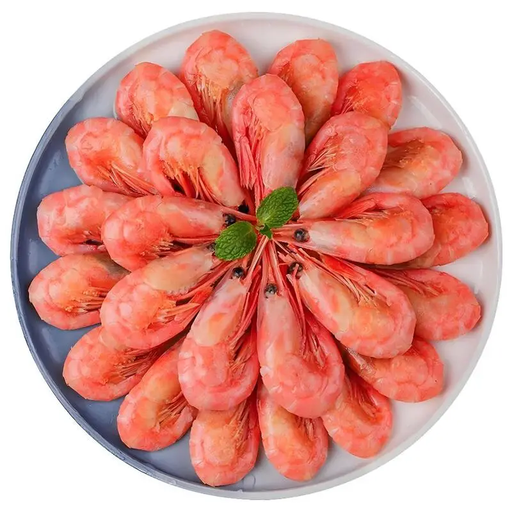
Why we recommend this product: These Coldwater Prawns (Pandalus borealis) are already cooked and salted, allowing for immediate use after thawing. The MSC (Marine Stewardship Council) seal indicates they are sourced from a certified sustainable fishery. The shell protects the delicate meat and is easily removed.
Advantages:
Best for: Consumers looking for a quick and convenient solution for cold dishes like salads or prawn cocktails, or as a side, who also value sustainability certifications.
View Product: Nordic Seafood MSC North Atlantic Prawns
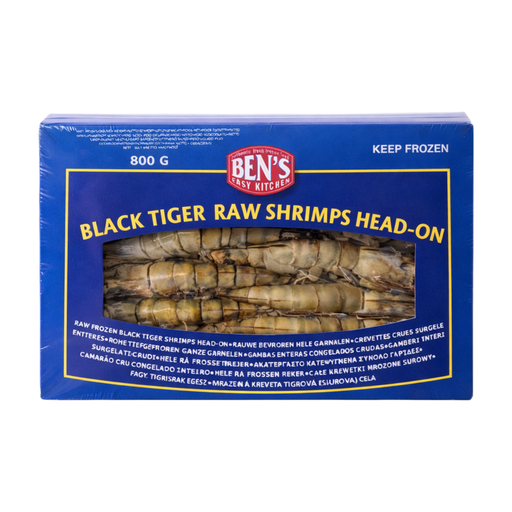
Why we recommend this product: These raw Black Tiger Prawns, with a 21/30 grade, offer an impressive size that is particularly well-suited for grilling and pan-frying. Their firm texture provides a satisfying bite. As a HOSO product, they also provide the basis for flavour-intensive sauces.
Advantages:
Best for: Gourmets and ambitious cooks seeking a visually and flavourfully impressive prawn for grilling or pan-frying.
View Product: Ben's Black Tiger Shrimp 21/30
If the products featured here do not exactly meet your needs, or if you wish to expand your seafood selection, you can find a broader range in our main category. There, you can specifically search for more options to order shrimp online and browse other shellfish.
To the Category: Marine Shellfish
1. How do you properly thaw frozen shrimp? The best method is to thaw them slowly for several hours or overnight in the refrigerator. To do this, place the shrimp in a colander set over a bowl to allow the meltwater to drain away. For a quicker method, place the frozen shrimp in a sealed bag and submerge it in cold water for 10–20 minutes.
2. What does the size designation like 30/40 mean for shrimp? This indicates the grade or count. It specifies how many shrimp of that size are in a given unit of weight (usually a pound, approx. 454g, or a kilogram). A "30/40" count per kilogram means that 1 kg contains between 30 and 40 shrimp. The smaller the numbers, the larger the individual shrimp.
3. Can you cook raw shrimp directly from frozen? It is not recommended. Cooking directly from frozen often results in uneven cooking: the outside can become tough while the inside may still be raw. Additionally, the melting ice will water down the dish. Thawing beforehand ensures a better, more even cooking result.