
Lieferung heute & morgen

Qualitätsgarantie

Willkommens-Angebote freischalten: KOSTENLOSE Lieferung | Bis zu 80 % RABATT | Kostenlose 30-Tage-JoyPlus-Testphase
App herunterladen
Anyone looking to buy frozen seafood will find a wide range online: frozen prawns, mussel meat, squid, fish fillets, fish roe and ready-made seafood mixes. However, the price alone says little about whether a product suits your cooking plans. The key factors are the ingredients, degree of processing, pack size and correct storage temperature.
A frozen seafood mix may contain prawns, squid, mussels, surimi or other ingredients. The proportions vary from product to product. So, if you are specifically looking for mussel meat or prawns, check the ingredients list and allergen information.
When choosing, terms such as “Premium” or “Deluxe” can also suggest greater value without providing specific details about size, proportion or preparation level. The actual order of ingredients, drained weight and net quantity are more useful points of reference.
Frozen prawns, squid and seafood mixes are not automatically raw. Some products are pre-cooked or blanched and only need brief reheating. Raw seafood, on the other hand, must be cooked through completely.
If you leave an already cooked mix in the frying pan for too long, it may become tough. Conversely, raw products need sufficient heat. Always follow the preparation instructions on the packaging.
A 1 kg pack is practical for families, stocking up or regular quick seafood dishes. For occasional meals, 200 to 450 g may be a better fit. Water, glaze and any stated drained weight affect how much food actually ends up in the dish. For glazed products, it is therefore worth comparing the information on the packaging.
Before buying, check at least the following information:
If you want to buy calamari, distinguish between raw squid rings, tubes, tentacles and products that have already been cooked. Pre-cooked options are convenient for salads or quick pan dishes. Raw squid gives you more flexibility for grilling or stuffed squid recipes.
Most of the products mentioned here must be stored at −18 °C or colder. Frozen goods should be placed in the freezer as soon as possible after delivery. Once thawed:
Some products are cooked but still sold frozen; other details may vary depending on the packaging version. Always check the current label. For online orders, delivery time, insulated packaging and the condition of the goods on arrival are also important selection criteria.
The following recommendations are not ranked by test results. Instead, they are grouped according to different shopping profiles and transparent product information.
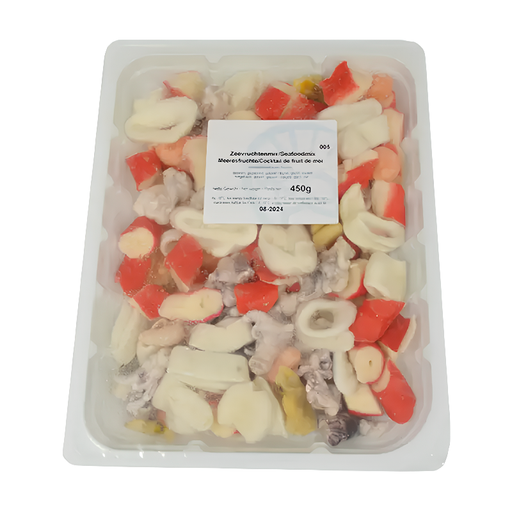
Why this product suits this profile: The 450 g pack is a manageable size for individual households or smaller family portions. According to the product information, the mix is cooked and contains squid, prawns, molluscs and surimi.
The ingredients and allergen information make it clear that this is not a pure prawn product. This makes it easier to assess the composition before buying.
Cooked mix for pasta, salads, soups and stir-fries; 14 g of protein per 100 g according to the product information.
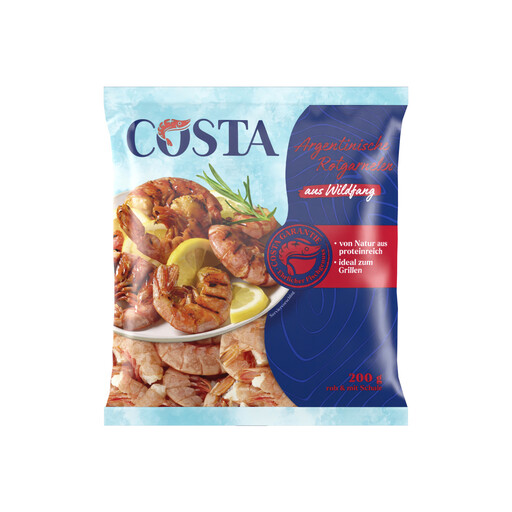
Why this product suits this profile: The pack contains Argentine red prawns; according to the product information, salt and sodium metabisulphite are also included.
The manageable 200 g quantity reduces the risk of not using a large pack in time. Sulphites are clearly labelled and should be taken into account if you are sensitive to them.
Ideal for pasta, risotto, tapas or quick frying; 17 g of protein per 100 g according to the product information.
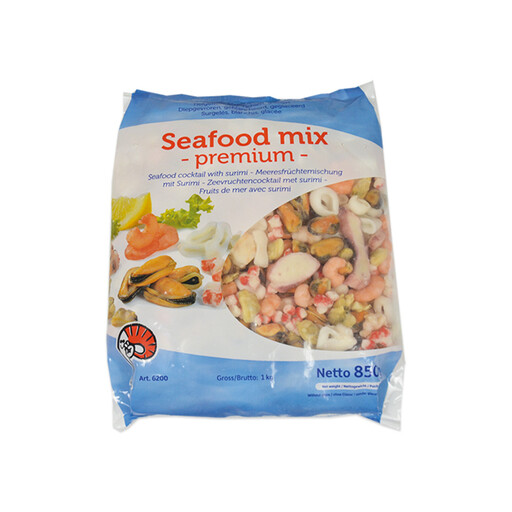
Why this product suits this profile: The 1 kg pack of blanched prawns, squid rings and mussels is suitable for regularly preparing paella, frutti di mare pasta, stews and stir-fries.
The degree of processing is clearly stated: blanched. This means you can plan for the short heating time of around 2–3 minutes in hot dishes.
Large pack with 15 g of protein per 100 g according to the product information; several types of seafood in one pack.
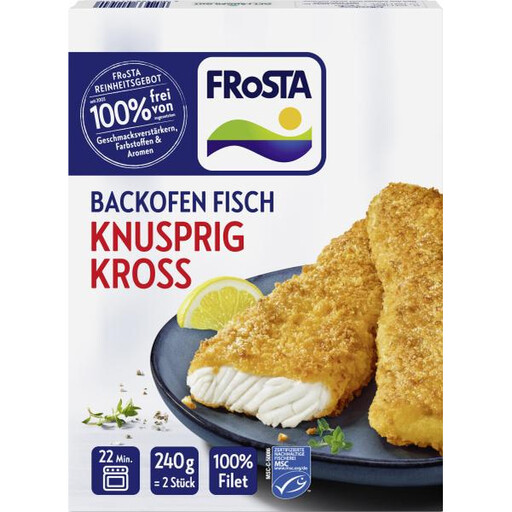
Why this product suits this profile: According to the product information, the breaded Alaska pollock portions are cooked from frozen in the oven and do not need to be thawed beforehand.
The instructions for cooking from frozen are clearly stated. This avoids a common thawing mistake and makes portion planning easier.
240 g pack, oven preparation without additional oil according to the product information; fish and wheat are listed as allergens.
For specific recipes, frozen mussel meat, whole squid or products for buying fish roe may also be useful. Cooked mussel meat saves preparation time, while raw squid tubes and tentacles give you more control over cutting and cooking. Surimi fish balls are particularly well suited to broths, hotpot dishes and Asian noodle recipes. When buying, take note of the allergens listed for each product and its salt content.
The safest standard method is to thaw it in the fridge. The food should be placed in a sealed container so that the thawing liquid cannot come into contact with other foods. Then follow the usage instructions for the specific product. The products mentioned above should not generally be refrozen.
As long as the cold chain has been maintained, shelf life is determined by the best-before date on the packaging. The freezer compartment should remain at a constant −18 °C or colder. Once thawed, the usable storage time is significantly shorter; many products should be used within 24 hours when kept in the fridge.
You should compare more than just pack prices. Also consider the price per 100 g, net quantity, glaze or drained weight, degree of preparation and ingredient proportions. A smaller pack may be more economical for occasional use, while a 1 kg pack means fewer packaging changes when preparing regular meals.