
Lieferung heute & morgen

Qualitätsgarantie

Willkommens-Angebote freischalten: KOSTENLOSE Lieferung | Bis zu 80 % RABATT | Kostenlose 30-Tage-JoyPlus-Testphase
App herunterladen
Frozen vegetables are available in convenient portions, can be stored for a long time and require no peeling or chopping. Even so, frozen vegetables and vegetable mixes can differ considerably in their ingredients, preparation, pack size and storage requirements. If you focus only on a low price or eye-catching marketing claims, it is easy to end up with a pack that does not suit the way you cook.
This guide explains what households, working people, vegetarians and vegans, as well as fans of Asian cuisine, should look out for when buying online.
A kilogram of frozen vegetables may seem attractively priced at first glance. However, if your household only needs small portions, the opened pack may sit in the freezer for a long time. This can take up valuable space and make it harder to keep track of the best-before date. Large bags are mainly worthwhile for families, frequent users or regular meal-prep dishes.
Many products are blanched or partially cooked, but still need to be heated before eating. This applies, for example, to broccoli, spinach and edamame. Terms such as “ready to cook” generally describe the preparation stage, not necessarily a finished dish. The preparation instructions on the packaging remain the deciding factor.
With organic frozen vegetables, you should check the organic certification mark on the packaging. It is also worth checking the ingredients and allergens. A pure vegetable product may have a short ingredients list, whereas creamed spinach or seasoned vegetable side dishes may contain milk, celery, soya or gluten-containing ingredients.
For a vegan or vegetarian diet, pure vegetable products and edamame with a clear ingredients list are practical choices. However, when comparing products, you should distinguish between vegan vegetable products, seasoned mixes and ready-made side dishes. The following points are particularly relevant:
Edamame are young soya beans and are therefore unsuitable for people who need to avoid soya. Asian vegetables such as lotus root or marinated seaweed may also have a different ingredients and salt profile from unseasoned vegetables.
The pack size should match how much you use. 300 to 500 grams are often suitable for individual households or occasional speciality dishes. 750 grams to 1 kilogram are more appropriate for families, stocking up and frequent vegetable side dishes.
Portioned vegetables, such as frozen spinach in individual portions, make it easier to take out what you need without fully defrosting the pack. With loose vegetables, you can usually take the required amount directly from the bag. As a general rule, frozen vegetables should not be refrozen after thawing.
Most products need to be stored at −18 °C or below. The cold chain should be interrupted for as little time as possible during transport. Once at home, place the products straight into the freezer.
You should also check the specific preparation method:
The stated times are guidelines. The important thing is that the product is heated all the way through. With Asian specialities, you should also distinguish between plain frozen vegetables and ready-to-eat, seasoned side dishes.
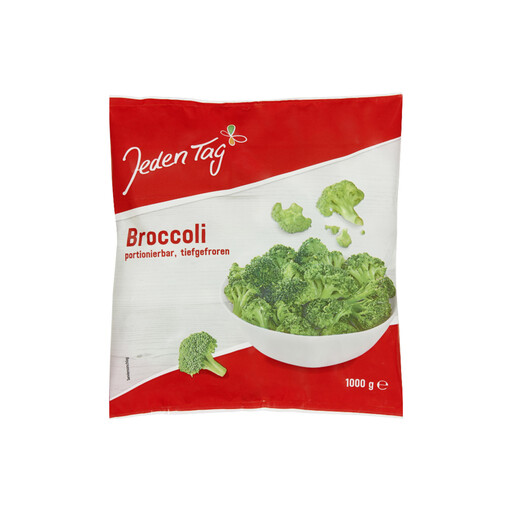
Why this product suits this profile: The 1 kg bag is designed for classic vegetable side dishes, soups, bakes and stir-fries. The broccoli can be taken out in portions and prepared straight from the freezer.
According to the product information, the ingredients list consists of broccoli; no allergens are stated. Prepare according to the pack instructions by boiling or steaming.
1 kg net quantity, stated to be from Germany, with a cooking or steaming time of around 5–7 minutes.
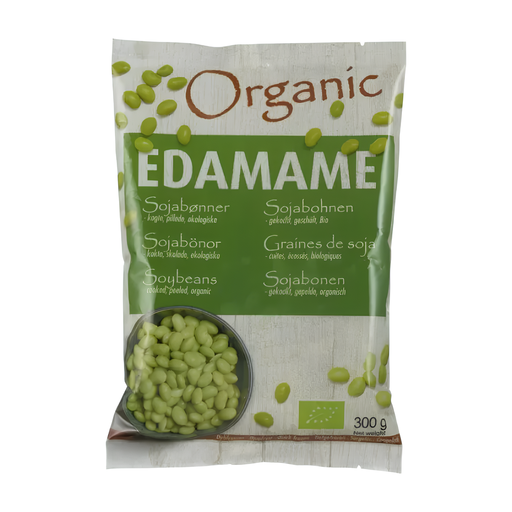
Why this product suits this profile: The shelled organic edamame are ideal for salads, bowls, soups and Asian dishes. The 300 g pack is a manageable size and suitable for smaller households.
The product information describes shelled, blanched and frozen soya beans from controlled organic cultivation. There is no need to remove the beans from their pods.
Organic edamame, 12 g of protein per 100 g according to the product information, with no other stated ingredient besides soya beans.
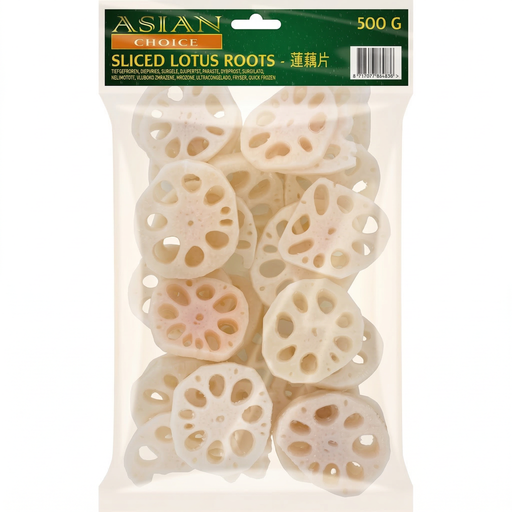
Why this product suits this profile: Pre-sliced lotus root adds a distinctive, crunchy texture to stir-fries, soups and hotpots. It is aimed at households that use Asian vegetables regularly.
The slices are already prepared and, according to the product information, can be added to the pan, soup or hotpot without prior thawing.
500 g net quantity, ingredients listed as “Lotus Roots” and storage at −18 °C according to the product information.
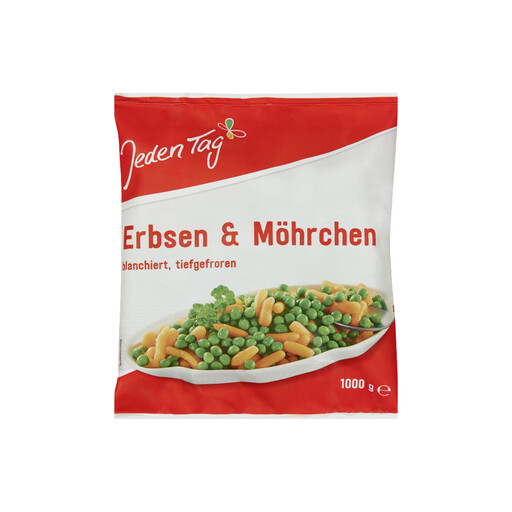
Why this product suits this profile: Peas and carrots are an easy base for side dishes, casseroles, soups and pan-fried meals. The one-kilogram pack is suitable for several meals.
According to the product information, the mix is ready to cook, blanched and contains no declared allergens. The variable proportions of peas and carrots should be taken into account when planning recipes.
1 kg net quantity, direct preparation by boiling or steaming, and 40 kcal per 100 g according to the product information.
After delivery, check that the packaging is undamaged and that the products still appear to be completely frozen. Frozen vegetables should not be left at room temperature for extended periods. Once opened, seal the bag tightly again and return it to the freezer.
When preparing frozen vegetables, using only a little water is often advisable so that the vegetables do not lose nutrients unnecessarily. Steaming, briefly heating them in a frying pan or following the pack instructions are all suitable options. Frozen spinach should be heated all the way through. Edamame and lotus root should not be confused with products sold as ready-to-eat chilled side dishes.
If you cook frequently, you can combine different pack sizes: a larger staple such as broccoli or peas and carrots, together with smaller specialities such as edamame or lotus root. This keeps your freezer flexible and gives you options for a variety of recipes.
We have put together a complete, regularly updated list of products that fully meet these strict selection criteria and the safety regulations applicable in the EU.
It depends on the product. Many varieties are blanched but still need to be boiled, steamed or heated all the way through. The instructions on the relevant packaging are the deciding factor. Ready-to-eat products such as certain chilled side dishes do not automatically belong to the frozen vegetable category.
Unopened products should be stored at −18 °C or below until the printed best-before date. Once opened, follow the manufacturer’s instructions. Products that have thawed should not be refrozen. If in doubt, check the packaging date, smell and appearance, as well as the supplier’s information.
Plain vegetables such as broccoli, frozen spinach or peas and carrots can be combined with rice, noodles, potatoes or pulses. Edamame are a great addition to bowls, salads and stir-fries. Before buying, vegans should check the ingredients and allergen list, as seasoned or creamy vegetable side dishes may contain milk or other ingredients.