
Lieferung heute & morgen

Qualitätsgarantie

Willkommens-Angebote freischalten: KOSTENLOSE Lieferung | Bis zu 80 % RABATT | Kostenlose 30-Tage-JoyPlus-Testphase
App herunterladen
Fruit tea and herbal tea are part of the daily drinks selection in many households. They are usually caffeine-free, offer fruity or spicy flavours, and can be enjoyed hot or cold. The choice ranges from tea bags for a quick cup to loose fruit tea for preparing larger quantities.
However, product names and packaging images do not always reveal the exact blend. If you want to shop with confidence, compare the ingredients, serving size and preparation instructions.
Names such as mango tea, peach and lemon tea or ‘forest fruits’ often describe the flavour profile. However, the ingredients may be made up mainly of apple pieces, rosehip shells, hibiscus or flavourings. For example, Teekanne Caribbean Mango Fruit Tea lists mango flavouring at 7%, supplemented by mango juice concentrate.
This is not necessarily a disadvantage, but it should match your expectations. If you are looking for flavoured fruit tea, look for the wording ‘flavoured’ and check the percentages given.
Fruit tea and many herbal teas are naturally caffeine-free. This does not automatically apply to blends containing green or black tea. Fuze Tea Green Tea Mango-Chamomile, for example, is a ready-to-drink beverage made with brewed green tea and should therefore not be equated with a classic caffeine-free fruit tea.
For evening enjoyment or family use, it is worth checking the full ingredients list. The description caffeine-free tea should be verified against the product information rather than inferred from the name alone.
Organic herbal tea refers to the origin of the ingredients carrying the relevant certification. The seal does not indicate whether a blend is fruity, spicy or flavoured. Similarly, an intense flavour does not necessarily mean that the product contains sugar.
For ready-to-drink beverages such as Fuze Tea Mango-Chamomile, sugar and sweeteners are clearly listed in the ingredients. With brewed tea, you should also distinguish between the calories in the dry product and those in the prepared drink.
First, compare the ingredients in order of quantity. Common fruit tea ingredients include apple, rosehip and hibiscus. Herbal blends may contain fennel, aniseed, caraway, peppermint, ginger or lemongrass, among others.
Products containing liquorice root require an additional note. Yogi Tea Glückstee, Yogi Tea Classic Chai, Yogi Tea Women’s Power and several other blends contain liquorice. The product information states that people with high blood pressure should avoid excessive consumption. Always refer to the current labelling on the packaging.
Tea bags are pre-portioned and do not require an additional strainer. Depending on the product, one bag per cup and at least three bags per pot may be recommended. Teekanne Caribbean Mango Fruit Tea has a recommended brewing time of 5 to 8 minutes.
Loose fruit tea gives you greater control over the dosage and is suitable for larger teapots. For Bünting Tee Apple-Lemon, approximately 1 to 2 teaspoons per 200 ml are recommended. Store the dry blend in an airtight container, somewhere dry and away from strong odours.
For fruit tea and many herbal teas, freshly boiled water is recommended. Depending on the blend, the brewing time is usually between 5 and 10 minutes. If the tea is brewed for too short a time, the flavour may be weaker; a longer brewing time changes the intensity of the taste.
For iced tea, brew the tea hot first and then allow it to cool. Ice cubes and slices of citrus fruit complement the flavour without the need for additional sweeteners. Nevertheless, always check the specific preparation instructions for the product.
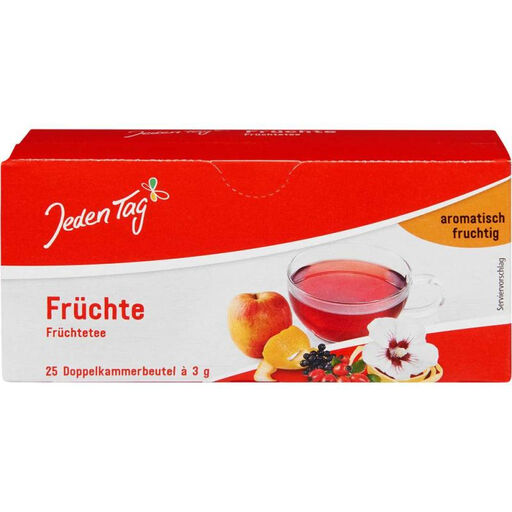
Why this product suits this profile: The 25 pre-portioned tea bags are ideal for keeping a regular household supply and preparing tea with ease.
The ingredients list specifies rosehip, hawthorn, orange peel, apple, elderberries and lemon peel. This makes it easier to assess the blend objectively before buying.
25 tea bags, suitable for preparing hot and cold drinks, and a caffeine-free fruit tea blend.
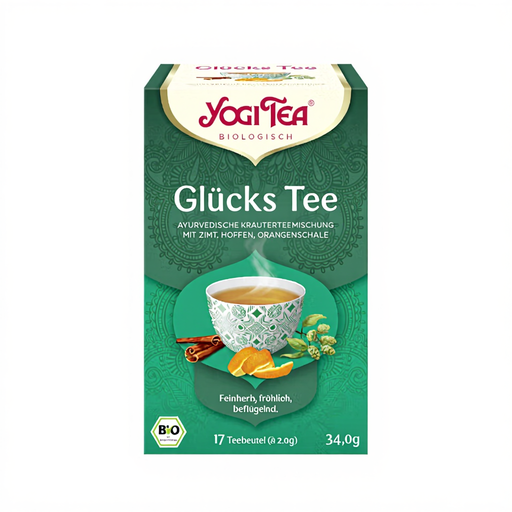
Why this product suits this profile: According to the product information, the blend consists of 100% certified organic ingredients and combines spices, herbs and fruity components.
The organic certification and detailed ingredients list make it easier to check the origin of the ingredients. The liquorice warning should be taken into account before buying.
Organic ingredients, 17 pre-portioned tea bags, and preparation with 250 ml of boiling water and a brewing time of 5 to 7 minutes.
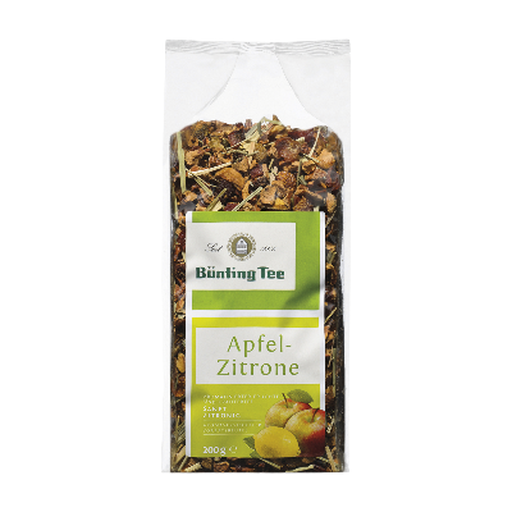
Why this product suits this profile: The 200 g pack of loose fruit tea is aimed at households that regularly prepare teapots and want to control the dosage themselves.
Apple pieces, rosehip shells, lemongrass and flavouring are clearly listed. This prevents the citrus flavour from being confused with a pure lemon tea.
Large 200 g pack, flexible dosage, and, according to the product information, suitable for both hot and cold preparation.
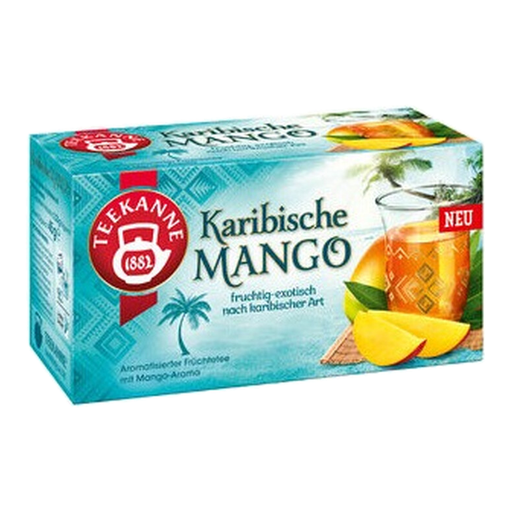
Why this product suits this profile: This fruit tea comes in pre-portioned bags and, according to the product information, is suitable for both hot and cold drinks.
The product information states the quantity of mango in the flavouring and juice concentrate. Buyers can therefore distinguish between fruit flavour and fruit content.
20 bags of 2.5 g each, a brewing time of 5 to 8 minutes, and the option to prepare it with ice cubes.
We have put together a complete, regularly updated list of products that fully meet these strict selection criteria and the safety regulations applicable in the EU.
Dry tea bags and loose tea should be stored somewhere cool, dry and protected from light. Strong odours from spice drawers or coffee can affect the flavour. After opening, we recommend using a tightly sealed container. With loose tea, it is also useful to use a clean, dry measuring spoon.
For ongoing costs, the pack price is not the only factor to consider. Compare the number of servings, weight in grams and recommended dosage. A larger pack can be practical for regular consumption, while smaller packs allow you to enjoy more variety. For ready-to-drink beverages, also consider bottle volume, sugar and sweetener information, as well as whether the drink needs to be refrigerated after opening.
Pure fruit tea normally contains no caffeine. Blends containing green or black tea may contain caffeine, so check the ingredients list. Herbal tea such as fennel-aniseed-caraway tea and many Yogi Tea organic blends is generally offered caffeine-free, provided it does not contain caffeinated tea leaves.
The exact recommendation depends on the blend. For many products, 5 to 8 minutes is standard; stronger rosehip and hibiscus blends may require 8 to 10 minutes. For food safety, use freshly boiled water and follow the instructions on the packaging.
Yes, many blends are suitable for both. To make cold tea, brew it with boiling water first, then allow it to cool and serve it over ice. When using tea bags for a pot, you may need a higher dosage. The preparation instructions for the individual product remain the most important guidance.