
Lieferung heute & morgen

Qualitätsgarantie

Willkommens-Angebote freischalten: KOSTENLOSE Lieferung | Bis zu 80 % RABATT | Kostenlose 30-Tage-JoyPlus-Testphase
App herunterladen
The selection of fruit drinks on supermarket shelves or online can be overwhelming. Colourful packaging and tempting advertising slogans make it difficult to make an informed decision. Those looking to buy fruit drinks often face the challenge of distinguishing between marketing promises and actual product quality. This guide will help you recognise the key features and avoid common purchasing traps.
A frequent pitfall is packaging that suggests health benefits. A drink advertised as "fortified with vitamins" can simultaneously have a high sugar content. Another area of confusion is often the fruit content. A beverage in juice-like packaging may, upon closer inspection, turn out to be a fruit juice drink with only a minimal fruit percentage.
To make the right choice, it's helpful to know the basic terminology and ingredients. Three parameters are particularly important.
The designation on the packaging provides the most crucial clue about the composition. These categories are legally defined in many regions and give a clear indication of the actual fruit content:
Soft drinks like sodas also fall into a similar category.The label "no added sugar" means that no granulated sugar, syrup, or other sweeteners have been added to the product. However, the drink still contains the sugar naturally present in the fruit (fructose). A juice with no added sugar is therefore not sugar-free. If you want to reduce your sugar intake, you should check the nutritional information table or look for products that are explicitly sweetened with artificial sweeteners or are naturally low in sugar, such as pure coconut water.
The choice of packaging depends on its intended use. For families and stocking up at home, 1-litre cartons or bottles are often the most economical solution. For on-the-go, school lunches, or children's birthday parties, small juice boxes are particularly convenient. They are lightweight, durable, and pre-portioned, which makes handling juice for kids much simpler.
To make your choice easier, we have matched some products from our range to different user profiles.
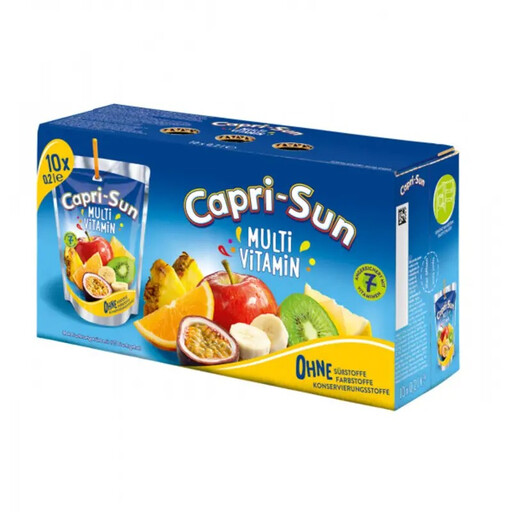
Why This Fits Their Persona: The convenient drink pouches are ideal for school bags or day trips. A brand popular with kids and a fruity taste make it a straightforward choice for parents.
The product is clearly declared as a "fruit drink" with 10% fruit juice content. It doesn't create the false expectation of buying a pure juice. The vitamin fortification is a bonus, not the main focus.
The robust and lightweight packaging is easy for children to handle. According to the manufacturer, no artificial sweeteners, colours, or preservatives are used.
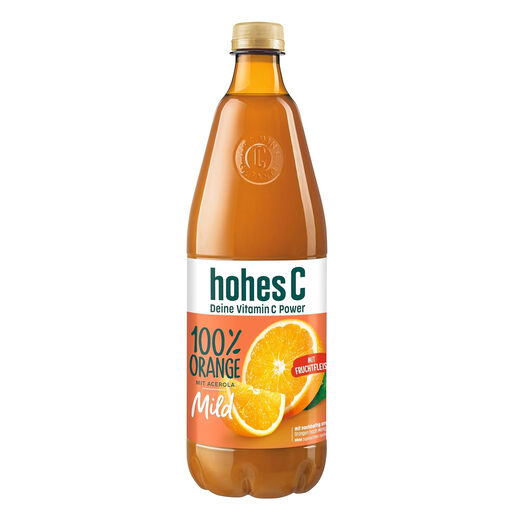
Why This Fits Their Persona: Ideal for anyone seeking a pure fruit juice without compromise. Perfect for a daily breakfast or as a natural source of Vitamin C in your routine.
This product is a 100% juice, as clearly stated on the label. The "no added sugar" claim is accurate, as it only contains the fruit's own natural sugar. There are no hidden sweeteners or fillers.
Consists of 100% fruit juice and, according to the manufacturer, is naturally lower in acid, making it gentler on the stomach. Free from preservatives and artificial colours.
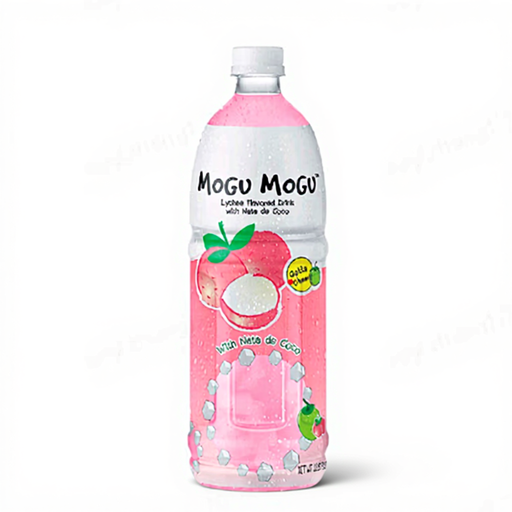
Why This Fits Their Persona: For anyone looking for an extraordinary drinking experience. The combination of juice and chewy pieces offers a change from conventional `exotic fruit juices`.
The product clearly positions itself as a unique fruit juice drink with an experiential factor (Nata de Coco), not as a pure health juice. Customer expectations are directed towards enjoyment and texture.
The combination of sweet lychee juice and chewy Nata de Coco pieces (coconut jelly) creates a unique, interesting texture not found in other drinks.
We've compiled a complete, up-to-date list of products that fully meet these strict selection criteria and local regulations.
A fruit juice must always be 100% fruit, with no added sugar. A fruit juice drink, on the other hand, has a much lower fruit content (often below 30%) and contains added water, sugar or sweeteners, and flavourings. Pay close attention to the exact designation on the packaging.
Look for the "no added sugar" label on the front or back of the packaging. A glance at the ingredients list provides final confirmation: terms like sugar, glucose syrup, fructose, or other sweeteners should not be listed. The nutrition table, under "of which sugars," will show the naturally occurring fruit sugar.
Once opened, fruit juices and fruit drinks should always be stored in the refrigerator. Most manufacturers recommend consuming the contents within 3 to 4 days to ensure quality and freshness. Please refer to the specific instructions on the respective product packaging.