
Lieferung heute & morgen

Qualitätsgarantie

Willkommens-Angebote freischalten: KOSTENLOSE Lieferung | Bis zu 80 % RABATT | Kostenlose 30-Tage-JoyPlus-Testphase
App herunterladen
Anyone looking to buy fruit drinks online will find a wide selection, including fruit juice, fruit juice drinks, exotic beverages, energy drinks and soft drinks for families and when you’re out and about. However, product pages differ in more than just flavour and brand. Fruit content, sugar, pack size and storage requirements also determine whether a drink suits your everyday needs.
As a Joybuy Product Recommendation Officer, I filter the most important information and show you what shoppers in Germany should consider before placing an order.
Descriptions such as “exotic”, “tropical” or “fruity” initially refer to the flavour. On their own, they do not indicate how much juice or fruit purée a drink contains. Checking the ingredients list and the percentage fruit content provides clarity.
According to the product information, for example, a Maaza Guava Drink contains 18% guava purée as well as 3% grape juice. Capri-Sun Orange is listed as containing 10% fruit juice from concentrate. Both products therefore belong to the fruit juice drink category and should not be confused with pure fruit juice.
In reduced-sugar drinks, sugar is often replaced with sweeteners. The ingredients list shows whether the product contains substances such as aspartame, acesulfame K, saccharin or cyclamate. Fanta Exotic Zero Sugar also carries a warning that it is a source of phenylalanine.
If you want to avoid specific ingredients, you should therefore look beyond the calorie content and read the information on the label carefully. With energy drinks such as Red Bull Apricot Edition, the caffeine content is also relevant. According to the product information, it contains 32 mg of caffeine per 100 ml and is not recommended for children or pregnant or breastfeeding women.
A multipack of drinks can reduce the need to shop again, but it also takes up a corresponding amount of space. Before ordering, check the total volume, individual containers and weight. For example, a pack containing 8 bottles of 1.5 l each holds 12 l and is considerably heavier than ten 200-ml pouches.
The shelf life after opening is also important. Maaza Guava should be consumed as soon as possible after opening. Mogu Mogu Coconut should be refrigerated after opening and consumed within two days. With larger packs, it therefore makes sense to estimate how quickly your household is likely to use them.
Check whether you are buying fruit juice, fruit nectar, a fruit juice drink or a carbonated soft drink. A product with 100% fruit content differs significantly in both composition and flavour from a drink made with water, sugar, flavourings and a smaller proportion of juice.
Fans of exotic drinks may be interested in varieties such as guava, passion fruit, pomegranate, soursop or Nata de Coco. If you prefer more familiar flavours, orange juice, pineapple juice and classic multi-fruit drinks make it easier to find a suitable option.
The nutritional table is only directly comparable when all products are assessed using the same reference amount: per 100 ml. According to the product data, Capri-Sun Orange contains 33 kcal and 7.9 g of sugar per 100 ml. Maaza Guava contains 45 kcal and 10.417 g of sugar per 100 ml. Mogu Mogu Coconut contains 50 kcal and 11 g of sugar per 100 ml.
Fanta Exotic Zero Sugar is listed as containing 3 kcal and 0.5 g of sugar per 100 ml. However, sweeteners are part of the recipe. The right choice therefore depends on your personal priorities regarding flavour, sugar and ingredients.
200-ml portions are practical for lunch boxes, day trips and sports bags. Families can plan individual consumption more effectively with multipacks. 1-l or 1.5-l containers are suitable for the breakfast table or office, provided the drink will be consumed quickly enough after opening.
When it comes to non-carbonated drinks, the choice is particularly varied. This includes still fruit juice drinks, soft drinks based on mineral water and products with practical sports caps. You can find a suitable overview in the category Non-carbonated soft drinks.
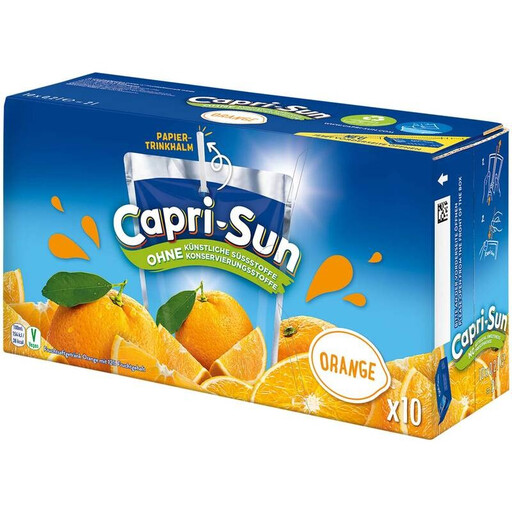
Why this product suits this profile: Ten individual 200-ml pouches are ideal for lunch boxes, day trips and occasional consumption when you’re out and about. According to the product information, the drink contains 10% fruit juice and 33 kcal per 100 ml.
The individual portion size and nutritional information make the serving volume transparent. The product is not classified as pure fruit juice.
10 × 0,2 l, orange flavour, with no artificial sweeteners, preservatives or colourings according to the product description.
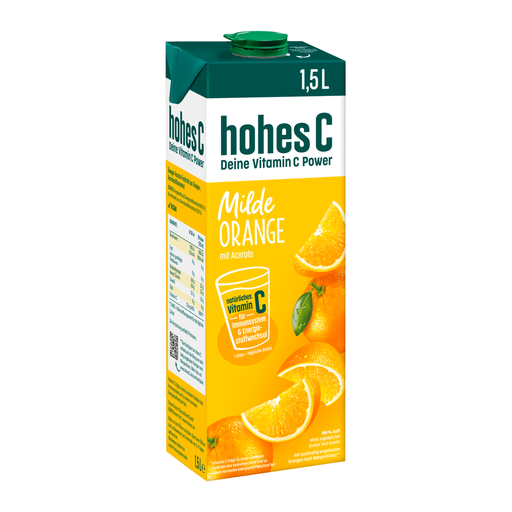
Why this product suits this profile: This stock-up pack contains 8 bottles of 1.5 l each. It is listed as containing 100% orange and acerola juice from concentrate, 43 kcal per 100 ml and no added sugar.
The product data clearly states the fruit content, ingredients, energy value and total volume. This makes it easier to plan your stock-up purchase realistically in advance.
A smooth, pulp-free consistency, 12 l total volume and room-temperature storage before opening according to the product description.
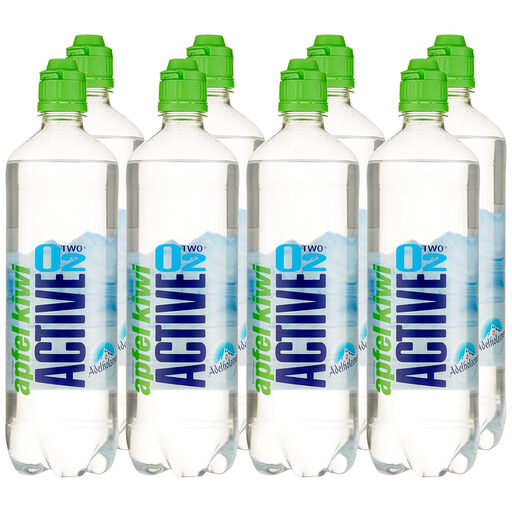
Why this product suits this profile: Eight 0.75-l bottles, each with a practical sports cap, are suitable for the office, travel, training and outdoor activities. According to the product information, the drink is still and contains sweeteners.
The product description explicitly highlights the sweeteners and low energy content. Shoppers can compare this information with their ingredient preferences.
6 l total volume, a still drink, apple and kiwi flavour and a sports cap according to the product data.
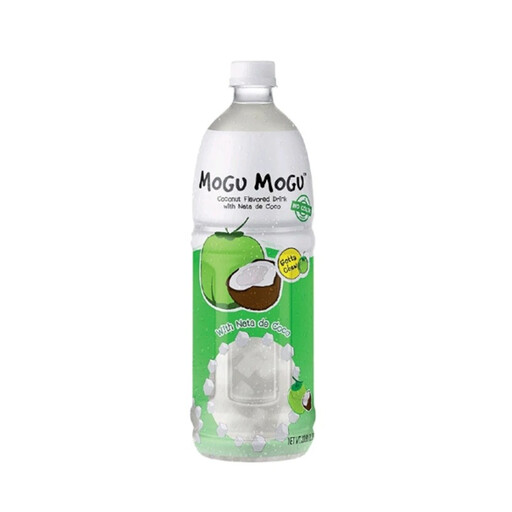
Why this product suits this profile: Coconut flavour and 25% Nata de Coco create a distinctive texture. The 1-l format is ideal for sharing or for households keen to try exotic varieties.
The ingredients list states the proportion of coconut gel cubes, as well as the sugar and preservative content. After opening, it should be refrigerated and consumed promptly.
Nata de Coco with a “chew while you drink” texture, a 1-l container and tropical coconut flavour.
We have put together a complete, regularly updated list of products that fully meet these strict selection criteria and the safety regulations applicable in the EU.
First, look at the type of drink, fruit content, sugar and calorie values per 100 ml. Then check the ingredients, allergens, sweeteners, caffeine, pack size and storage instructions. The product image may change; the labelling on the packaging is the definitive source for the exact composition.
This depends on the product. Many juices and fruit drinks must be refrigerated after opening and consumed within a few days. For example, Mogu Mogu Coconut is listed as requiring refrigeration and consumption within two days. Unopened drinks can be stored at room temperature depending on the packaging. Always check the best-before date and the manufacturer’s instructions.
A multipack can be worthwhile if you consume the drinks regularly, have enough storage space and the individual price is suitable. Compare the price per litre and take the total weight into account. Multipacks are often practical for families, offices or events. If you only drink them occasionally, however, smaller containers may be more suitable, ensuring that opened bottles or cartons are consumed in time.