
Lieferung heute & morgen

Qualitätsgarantie

Willkommens-Angebote freischalten: KOSTENLOSE Lieferung | Bis zu 80 % RABATT | Kostenlose 30-Tage-JoyPlus-Testphase
App herunterladen
As your Joybuy Product Recommendation Officer, I see every day how overwhelming the fruit juice aisle can be. The selection ranges from classic varieties like orange juice and apple juice to exotic juices and special organic products. But behind the colourful packaging, there are often significant differences in quality that can lead to disappointment and unnecessary expense. Before you order drinks online again, you should be aware of the following common pitfalls.
The 3 Most Common Traps When Buying Juice:
To ensure you get the exact product you're looking for, you should pay attention to three key features. These will help you separate the good from the bad and make an informed decision.
The designation on the packaging is legally regulated and provides the most important clue about quality.
The ingredients list provides information about added sugar, flavourings, or vitamins. A multivitamin juice, for example, can be a sensible addition if it doesn't primarily consist of sugar water. Look for the "Sugars" line in the nutrition table to assess the total sugar content—that is, the natural fruit sugar plus any additives.
For regular consumption in families or offices, a bulk pack of juice is often the most economical and practical solution. Cardboard cartons (Tetra Paks) are lightweight, shatterproof, and protect the contents well from light, which is important for preserving vitamins. Those looking for specialty drinks like coconut water or specific exotic juices will often find them in smaller, specialised containers.
Based on these objective criteria, we have selected a few products from our range that are suitable for different user profiles.
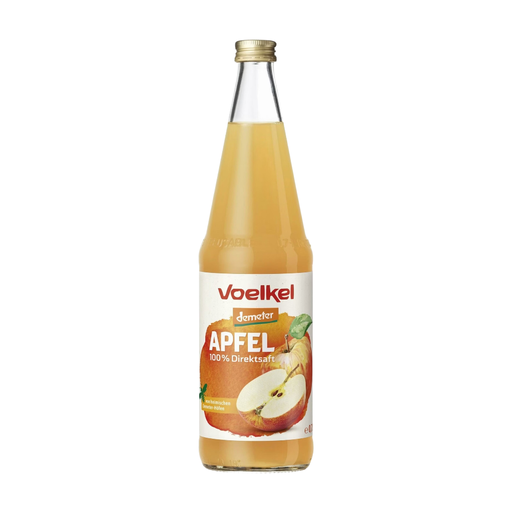
Why This Fits Their Persona: Ideal for those who value purity, regional sourcing, and the highest ecological standards. This juice offers the unadulterated taste of traditional German meadow orchards.
As a 100% not-from-concentrate juice with no additives, it completely bypasses the fruit content and sugar traps. What's on the label is what's inside: pure apple juice.
Demeter-certified organic juice from biodynamic farming; naturally cloudy and gently processed for maximum flavour.
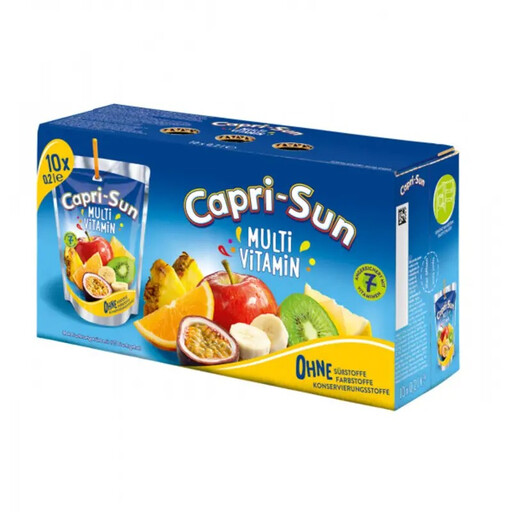
Why This Fits Their Persona: A convenient solution for on-the-go, lunchboxes, or kids' birthday parties. The small, durable pouches are popular with children and easy to handle.
Although it is a fruit juice drink, the labelling is transparent. For sugar-conscious families, there is also the "Monster Alarm No Added Sugar" version.
Convenient 10-pack; no artificial sweeteners, preservatives, or colours; fortified with vitamins.
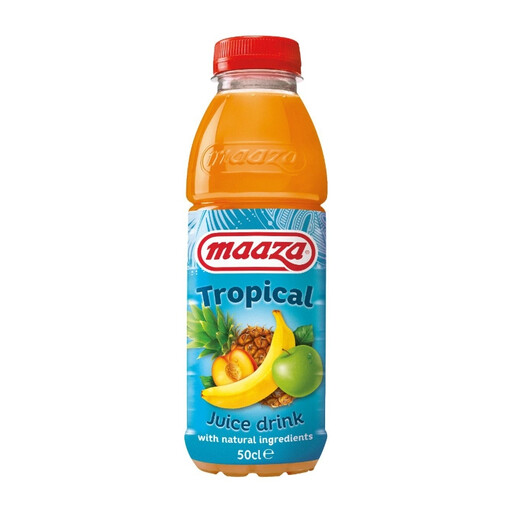
Why This Fits Their Persona: For anyone seeking a change of pace and a taste of the tropics. Maaza is known for its full-bodied, fruity recipes.
Instead of just using flavouring, Maaza relies on a blend of five real tropical fruits, thus avoiding the "exotic bait-and-switch."
Authentic, rich flavour from a blend of banana, apple, pineapple, lemon, and peach; fat-free.
We've compiled a complete, up-to-date list of products that fully meet these strict selection criteria and German regulations.
A 100% not-from-concentrate juice is bottled directly after the fruit is pressed. For juice from concentrate, water is removed from the freshly pressed juice in its country of origin to save on transport volume and costs. In the destination country, the exact amount of water that was removed is then added back to the concentrate. In terms of fruit content (100%) and nutritional value, both versions are equivalent. Some people prefer the taste of not-from-concentrate juice, as it is perceived as more original.
Once opened, fruit juices should always be stored in the refrigerator. As a rule, they will last for about 3 to 5 days. Pasteurised juices in cartons often last a little longer than freshly squeezed or unpasteurised versions. Always check the manufacturer's instructions on the packaging, as shelf life can vary from product to product.
This label means that no additional sugar (such as granulated sugar, syrup, or other sweeteners) was added to the product during manufacturing. However, the juice still contains the fruit sugar (fructose) naturally present in the fruit. The total sugar content can therefore still be high, especially with very sweet fruits like grapes or mangoes. A look at the nutrition facts is therefore essential for a health-conscious diet.