
Lieferung heute & morgen

Qualitätsgarantie

Willkommens-Angebote freischalten: KOSTENLOSE Lieferung | Bis zu 80 % RABATT | Kostenlose 30-Tage-JoyPlus-Testphase
App herunterladen
The selection of fruit juices and similar beverages on supermarket shelves or online is vast. However, colourful packaging and alluring names often hide products that don't deliver on their promises. Many consumers unknowingly pay for water and sugar instead of pure fruit flavour. This guide will help you navigate the most common pitfalls and make an informed choice.
To avoid falling into these traps, a quick glance at the label is all it takes. Two pieces of information are crucial for objectively assessing a product's quality.
In the EU and UK, the names for fruit-based drinks are clearly regulated. This distinction is the most important indicator of quality and value for money.
The ingredients are listed in descending order by quantity. If water or sugar is listed first, it is not a high-quality fruit product. On the nutrition table, look for the "of which sugars" value per 100 ml. This allows for a direct comparison of the sugar content of different products, regardless of whether the sugar is added or naturally occurring.
Based on these objective criteria, we have curated a selection of products for different needs and taste preferences.
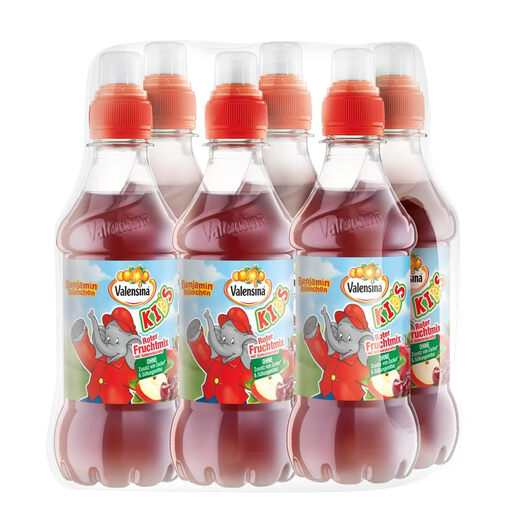
Why it's a great fit: The convenient 0.33-litre packs are ideal for on-the-go, the lunch box, or as a controlled portion at home. The combination of apple and sour cherry is a favourite among children.
The product is clearly declared as an apple-cherry nectar. The fruit content of over 60% (53% apple, 12% sour cherry) is solid for a nectar and transparently stated.
The portion size helps to keep track of sugar consumption. The product is fortified with Vitamin C.
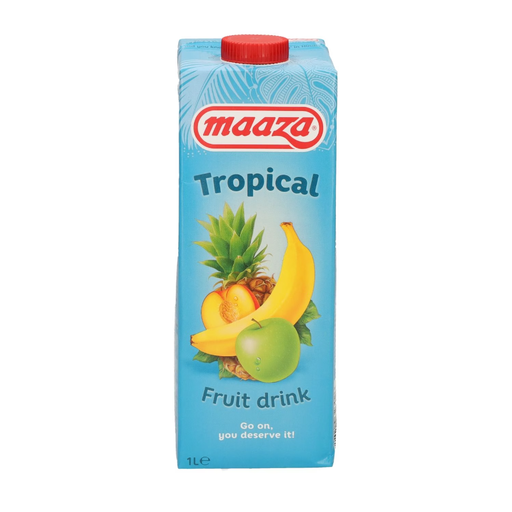
Why it's a great fit: For anyone specifically looking for a complex, tropical taste experience that goes beyond standard blends. Ideal for cocktails or as a pure refreshment.
This fruit juice drink avoids the "exotic" trap by actually containing a significant proportion of tropical fruits. The ingredients list shows banana purée (10%) as the main flavour component, supplemented by pineapple, lemon, and peach.
The 25% fruit content consists of a blend of different fruit juices and purées, which ensures a complex, authentically tropical aroma.
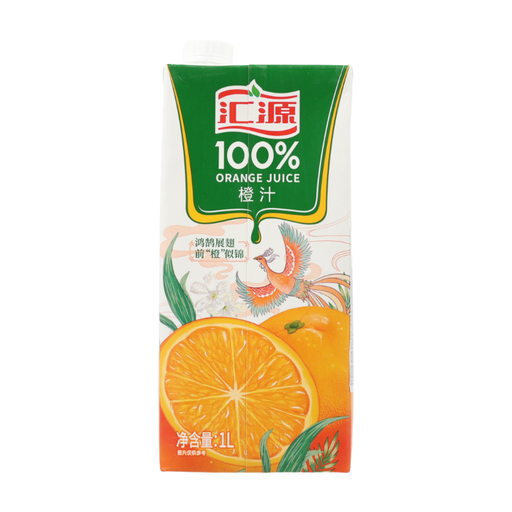
Why it's a great fit: A choice for health-conscious consumers who prefer pure fruit flavour without any additives. Ideal for breakfast or as a base for mixed drinks.
This product avoids the sugar trap, as it is a 100% juice and contains no added sugars, preservatives, or artificial colours. The sugar content comes exclusively from the fruit.
The ingredients list is kept to an absolute minimum: it consists only of water and concentrated orange juice. This guarantees a pure and unadulterated taste.
If you want to discover more beverages selected based on objective criteria, you can find a more comprehensive selection here. Browse through different flavours and find the perfect product for your occasion.
Both versions are legally defined as fruit juice with 100% fruit content. For not-from-concentrate juice, the fruit is pressed and the juice is bottled directly. For juice from fruit juice concentrate, water is removed from the freshly pressed juice in its country of origin. The concentrate is then transported and rehydrated with drinking water at the bottling location to restore its original fruit content. Today, there are hardly any significant differences in quality or taste.
Once opened, a carton of fruit juice, nectar, or fruit juice drink should always be stored in the refrigerator. The beverage is then typically good for another 3 to 4 days. Pay attention to the manufacturer's instructions on the packaging. Unopened, the products can often be stored for many months in a cool, dark place.
When you order juice online, the same criteria apply. Check the product name (juice, nectar, drink) and take a close look at the ingredients list and nutrition table provided online. Also, pay attention to the package size (e.g., 1-litre carton or convenient multi-packs) to ensure the quantity suits your consumption habits and that nothing goes to waste.