
Lieferung heute & morgen

Qualitätsgarantie

Willkommens-Angebote freischalten: KOSTENLOSE Lieferung | Bis zu 80 % RABATT | Kostenlose 30-Tage-JoyPlus-Testphase
App herunterladen
A fruit knife set can make kitchen tasks easier when the blade shape, material and care requirements suit how you actually intend to use it. Many offers look appealing because of their extensive contents or promotional claims, but include knives that are rarely needed in everyday use. It is therefore worth taking a close look at the technical specifications, whether you are shopping for a household, a keen home cook or an enthusiastic chef.
A kitchen knife set with several pieces can be useful if it includes a chef’s or slicing knife alongside a fruit knife. However, a single small kitchen knife is often enough for peeling an apple or removing stones. Unused knives take up space and make safe storage more difficult.
Before buying, check the following:
Some stainless steel fruit knives are explicitly described as dishwasher-safe. Even so, harsh detergents, high temperatures and prolonged exposure to moisture can put more strain on the edge and handle than hand washing. Knives with wooden handles should generally not be put in the dishwasher. Hand washing can also help keep the blade sharp for longer, even when the handle is made from plastic.
A ceramic knife set is lightweight and does not rust. However, ceramic is more brittle than steel. Dropping the knife, twisting it, using it as a lever or cutting frozen food can cause chips. For hard skins, fruit containing stones or versatile kitchen tasks, a stainless steel knife is often easier to use. The material specification should therefore be considered alongside the intended use, rather than in isolation.
For typical fruit and vegetable preparation, practical blade lengths are often between 8 and 11 centimetres. A short blade is easy to control when peeling and removing cores or stones. A slightly curved blade can help when peeling fruit, while a straight edge is suitable for precise cuts.
A serrated fruit knife can be advantageous for soft fruit or food with a firm outer skin, as the edge requires less pressure. For clean peeling and removing blemishes, a pointed paring knife is often more suitable. The key consideration is that the product description clearly states the type of blade.
Stainless steel fruit knives are versatile for everyday use and resistant to corrosion with normal care. Look for specific information about the material, blade length and cleaning instructions. General terms such as “premium steel” reveal little about the actual construction on their own.
Ceramic blades are lightweight and do not rust, but should not be used for levering or cutting frozen food. A ceramic knife set is best suited to users who are prepared to follow these care and safety instructions.
A non-slip, ergonomically shaped handle can improve control, particularly when your hands are wet. Details about the handle material, weight and overall length are useful when comparing products. The Victorinox Swiss Classic vegetable and fruit knife with an 8-cm blade, for example, is described as having a plastic handle, weighing 20 grams and being dishwasher-safe. For safety, knives should not be left loose in a drawer. Suitable options include a knife block, magnetic rail, drawer insert or blade guard.
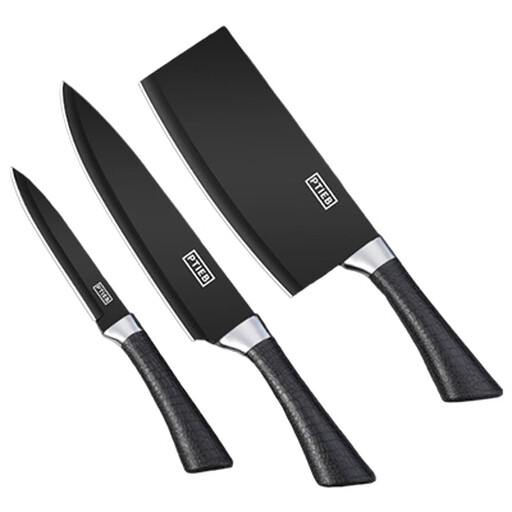
Why this product suits this profile: The set combines a fruit knife, chef’s knife and slicing knife, covering several essential kitchen tasks.
The three clearly named components make it easier to assess the set’s real value.
Three different knife types; suitable for fruit, vegetables and general food preparation.

Why this product suits this profile: This individual fruit and vegetable knife has a 10-cm blade, a plastic handle with a non-slip texture and clear care instructions recommending hand washing.
The blade length and intended uses for peeling, removing cores or stones and garnishing are clearly specified.
10-cm blade; FRIODUR ice-hardening according to the product description; ergonomic plastic handle.
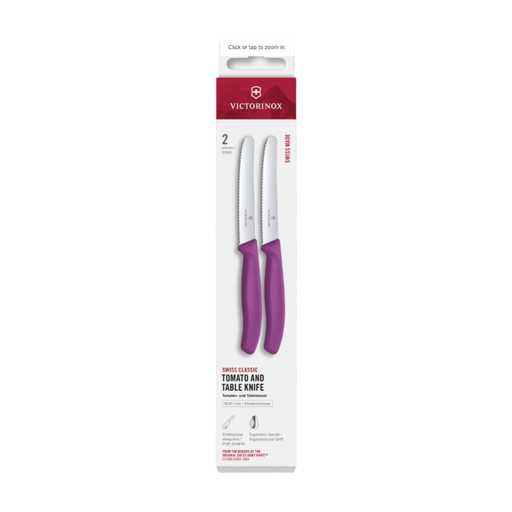
Why this product suits this profile: The two 11-cm serrated knives are ideal for households that regularly cut soft fruit and vegetables.
The serrated edge is explicitly stated, so it cannot be mistaken for a smooth cutting edge.
Two stainless steel blades measuring 11 cm; polypropylene handles; dishwasher-safe according to the product details.
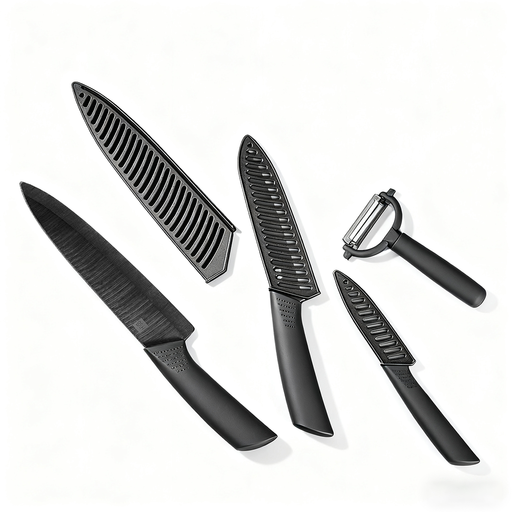
Why this product suits this profile: The set includes a chef’s knife, utility knife, fruit knife and peeler, making it suitable for users with several clearly defined cutting tasks.
The product details explicitly warn that the knives should be hand washed, may break and must not be used with frozen food.
Four components; ceramic blades; TPR handles; not dishwasher-safe according to the product description.
We have put together a complete, regularly updated list of products that fully meet these strict selection criteria and the safety regulations applicable in the EU.
For peeling, removing cores or stones and cutting, 8 to 11 centimetres is often sufficient for household use. Shorter blades offer compact handling, while longer versions can provide more cutting surface for larger fruit.
A serrated edge can be useful for soft fruit or fruit with a firm skin. For precise peeling, cutting out blemishes and removing bruised areas, a straight, pointed paring knife is often easier to control.
The lifespan of the edge depends on the material, chopping board, cleaning routine and frequency of use. A stainless steel knife can be sharpened. Ceramic normally does not need regular sharpening, but is more susceptible to impact and incorrect cutting movements.