
Lieferung heute & morgen

Qualitätsgarantie

Willkommens-Angebote freischalten: KOSTENLOSE Lieferung | Bis zu 80 % RABATT | Kostenlose 30-Tage-JoyPlus-Testphase
App herunterladen
The selection of muesli on the supermarket shelf can be overwhelming. Colourful packaging promises a healthy start to the day, but a glance at the ingredients list often raises questions: How high is the sugar content really? What does "whole grain" mean in this context? And which product fits my personal dietary goals and taste preferences?
This guide is designed to bring you clarity. As your Joybuy Product Recommendation Officer, I have gathered the facts to provide you with an objective basis for your decision when purchasing fruit muesli. We will look at the key criteria and present a selection of different products to help you find the perfect muesli for your breakfast.
To make an informed choice, a few fundamental product features are crucial. The following points will help you better understand the information on the packaging.
A common concern is the sugar content. It's important to distinguish between the sugar naturally present in fruit (fructose) and added industrial sugar. A muesli with no added sugar derives its sweetness exclusively from the dried fruits it contains. Pay close attention to the ingredients list: terms like sugar, glucose syrup, glucose-fructose syrup, or barley malt extract indicate added sugar. Products that avoid these are often a great choice for a health-conscious breakfast.
A whole grain muesli uses the entire cereal grain—including the bran and germ. These components are rich in nutrients and dietary fibre. A high-fibre breakfast can contribute to a longer-lasting feeling of fullness. The whole grain content is usually stated as a percentage on the packaging. A high value, for example over 50%, indicates a solid foundation of whole grain oat, wheat, or rye flakes.
For many consumers, the origin of the ingredients plays a significant role. An organic muesli, identifiable by the EU organic logo (a stylised leaf made of stars on a green background), is produced according to the principles of organic farming. This includes forgoing the use of chemical-synthetic pesticides and fertilisers. The ingredients list also provides information on the variety and percentage of fruits, nuts, and seeds, which is important for the flavour and nutritional profile.
Based on the criteria mentioned above, we have compiled a selection of muesli products that cater to different needs and taste preferences.
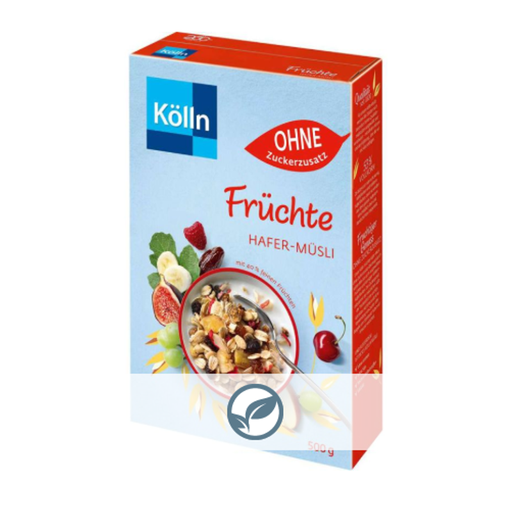
Why it stands out: This muesli from K?lln consistently focuses on natural sweetness and a wholesome base. It contains no added sugar and derives its sweetness entirely from a rich fruit blend.
Benefits:
Who it's for: Ideal for anyone actively avoiding added sugar and looking for a wholesome, fruity muesli for daily enjoyment.
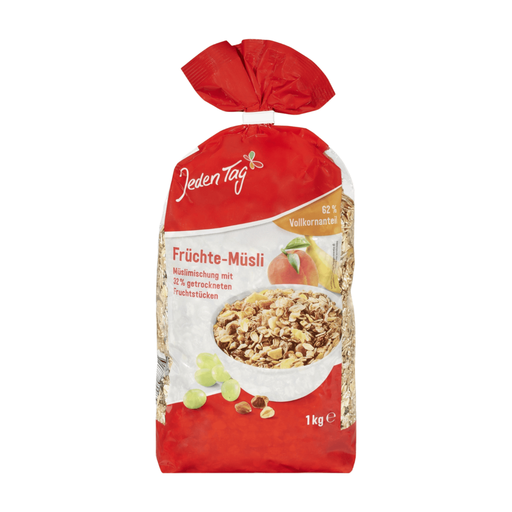
Why it stands out: This muesli offers excellent value for money in a practical 1 kg value pack. It's a classic blend suitable for families or daily use.
Benefits:
Who it's for: A great choice for budget-conscious shoppers and families looking for a straightforward and versatile everyday fruit muesli.

Why it stands out: As a certified organic muesli, this product from Alnatura meets high ecological standards. It combines a high fruit content with a pure whole grain base and no added sugar.
Benefits:
Who it's for: Perfect for consumers who place a high value on organic ingredients and prefer a muesli with a high, naturally sweet fruit content.
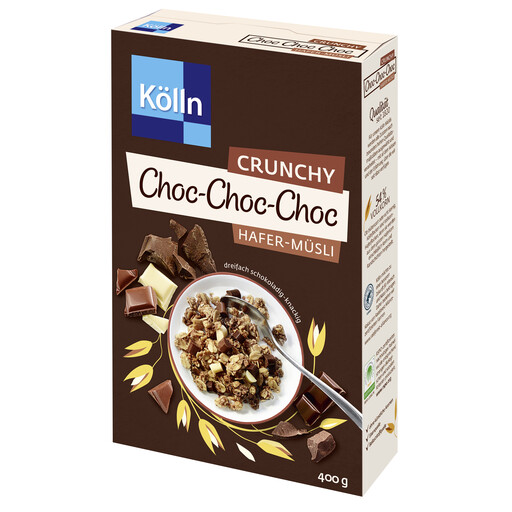
Why it stands out: This crunchy chocolate muesli is an alternative for those who love a crunchy and chocolatey start to their day. It combines baked oat clusters with three different types of chocolate.
Benefits:
Who it's for: For connoisseurs looking for a change from classic fruit muesli and who prefer a crunchy, chocolatey breakfast or a snack between meals.
The world of muesli is diverse. Whether you're looking for special protein mueslis, pure nut mixes, or other crunchy varieties, there's a perfect product for every taste.
Explore Our Entire Muesli Range Here
1. What's the difference between a fruit muesli and a crunchy muesli? The main difference lies in the preparation. For a classic fruit muesli, raw cereal flakes are mixed with dried fruits and nuts. A crunchy muesli (also known as granola) is made by mixing the flakes with ingredients like oil and sweeteners and then baking them, which creates crispy clusters.
2. Does fruit muesli always contain sugar? Not necessarily added sugar. Every fruit muesli naturally contains sugar from the dried fruits. However, many products labelled "no added sugar" avoid the addition of refined sugar, syrup, or other sweeteners. A look at the ingredients list will clarify this.