Households with different mealtimes
If people eat their portions at different times, you’ll need space in the fridge for covered containers. The German Federal Institute for Risk Assessment recommends keeping cut fruit chilled until it is eaten.


Choose a fridge with enough room for your covered portions alongside your other food, and which can keep everything sufficiently cool. A fridge-only model gives you the full interior for chilled food; a fridge-freezer is a good fit if you also need space for frozen food. Then check the available space in your kitchen and the annual energy consumption. Freshness features are no substitute for preparing food hygienically and storing it covered.
If people eat their portions at different times, you’ll need space in the fridge for covered containers. The German Federal Institute for Risk Assessment recommends keeping cut fruit chilled until it is eaten.
If you only store a few portions, compare the fridge space you need with the room available in your kitchen, and consider a compact under-counter model. The German consumer advice centre recommends choosing an appliance size to suit your actual needs.
If you want the same appliance to store frozen food, check the stated freezer capacity as well as the fridge capacity. This will help you work out how much room will actually be left for your covered portions of fruit.
First, check how many sealed containers you need to fit in the fridge. Then compare the appliance style and energy consumption with your kitchen and your needs.
| Priority | What to check when buying | Who it matters most to |
|---|---|---|
| Cooling and hygienic storage | Check the temperature control and whether there is room for sealed containers. The German Federal Institute for Risk Assessment recommends a fridge temperature of 2 °C to no more than 7 °C for perishable foods. | If I’m storing portions until different mealtimes, keeping them covered and chilled throughout is essential. Around 33% of consumers put effective cooling and hygienic storage first. |
| Usable fridge space | Check the stated fridge capacity separately from the freezer capacity, and make sure the shelves suit the containers you use. | If you want to store several separate portions alongside your usual food, you’ll need enough fridge space. Around 27% of consumers prioritise room for their portions. |
| Appliance style and available space | Compare the appliance dimensions with the space available. For built-in models, also check the niche dimensions and installation type. | If my kitchen only has a certain amount of space or a specific built-in niche, the appliance needs to fit both the space and the installation requirements. Around 20% of consumers focus primarily on space or built-in constraints. |
| Energy consumption | Compare the annual consumption in kWh for the specific appliances you’re considering, taking into account how much fridge space you need. | If running costs are a major factor in your choice, consider energy consumption alongside the appliance size that suits you. Around 20% of consumers put running costs first. |
With a fridge-freezer, some of the total capacity is taken up by the freezer compartment, so it isn’t available for fruit salad or other chilled food.
Check the fridge and freezer capacities separately, then compare the fridge space with the containers you actually want to store.
Manufacturers’ claims about freshness technology don’t show that it replaces the recommended steps for handling cut fruit.
Wash fruit thoroughly, keep portions covered and refrigerate them until you’re ready to eat them.
The annual consumption in kWh helps you assess the energy use of specific appliances, but choosing the right size is important too.
Compare the stated annual consumption and fridge capacity of models that suit your actual space requirements.
Freestanding fridge-only models such as the KSV36VLDP are worth considering if you don’t need an integrated freezer compartment.
The range includes everything from the TSE1285N compact fridge to the freestanding B3RCNO255XB fridge-freezer.
Built-in fridges such as the KI31RADD1 are an option when your existing kitchen niche determines the appliance style.
Freestanding fridges such as the RBa30 425i Prime combine fridge space with BioFresh storage compartments.
This selection includes fridge-only models and fridge-freezers, including a built-in appliance. Compare fridge capacity, appliance style and space for your covered containers.
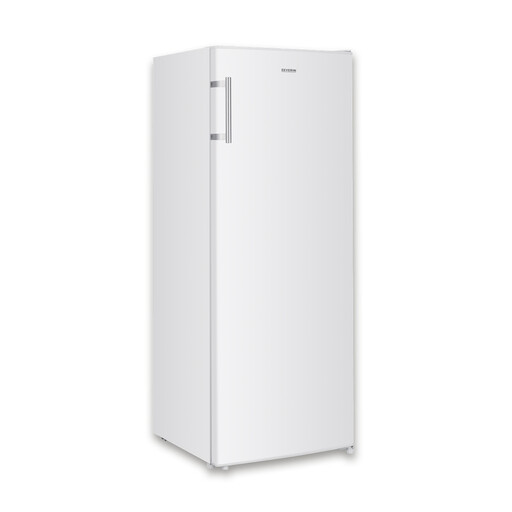 No image available
An option if you’re looking for a freestanding fridge without a freezer compartment.
242 l; energy efficiency class D; 143 cm high; 83 kWh; adjustable shelves; reversible door.
 No image available
An option if you want to store chilled portions and frozen food in one freestanding fridge-freezer.
333 l total capacity; Total No Frost; LinearCooling™; DoorCooling+™; energy class C.
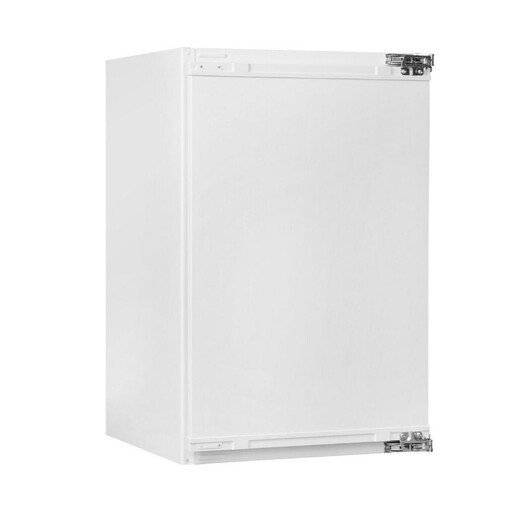 No image available
An option if a built-in appliance with a suitable niche and fixed-door installation works for your kitchen.
110 l total capacity; 4-star freezer compartment; energy class E. Designed for a compatible 88 cm built-in niche with fixed-door installation.
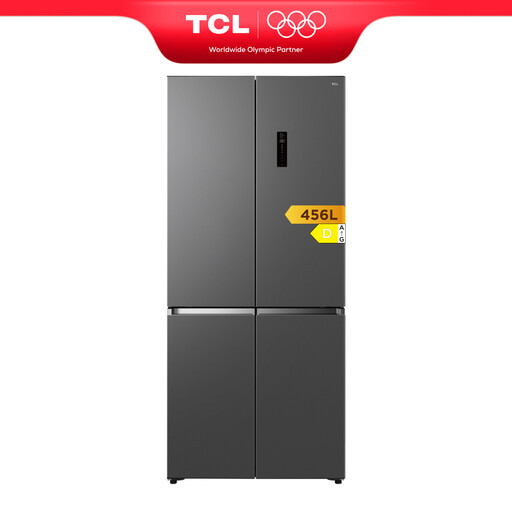 No image available
An option if you want to store chilled portions and frozen food in a multi-door appliance.
456 l total capacity; 312 l fridge compartment; 66 l freezer compartment; 78 l variable compartment; Total No Frost; energy class D.
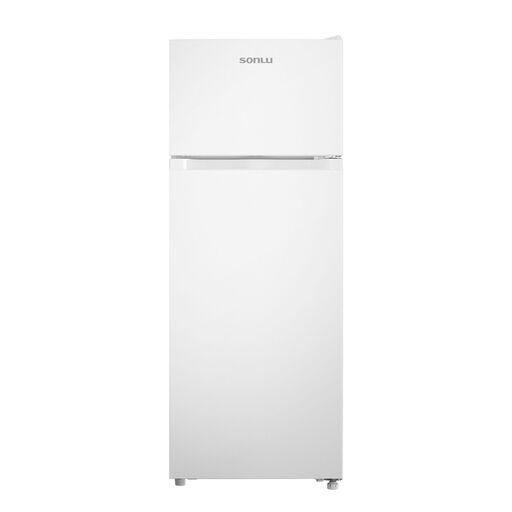 No image available
An option if you’re looking for a compact appliance with both fridge and freezer compartments.
206 l total capacity; energy class E.
Keep cut fruit covered in the fridge until it’s time to eat, rather than leaving it out at room temperature between meals. The German Federal Institute for Risk Assessment recommends a fridge temperature of 2 °C to no more than 7 °C for perishable foods; this hygiene recommendation does not guarantee a particular storage life.
Wash the fruit thoroughly before cutting it, then store the portions covered or in sealed containers, separately from other foods. The German Federal Institute for Risk Assessment recommends that people who are particularly vulnerable avoid fresh-cut products, or prepare fresh, thoroughly washed ingredients shortly before eating.
A fridge-freezer could be a good fit if you need both compartments in the same space. Compare the stated fridge capacity separately from the freezer capacity, as the freezer compartment won’t be available for your portions of fruit.
Check the appliance dimensions, the required niche and the hinge type against your kitchen. For the Siemens KI31RADD1, the manufacturer specifies a niche measuring 1025 × 560 × 550 mm; these dimensions won’t necessarily apply to other models.
Compare the stated annual consumption and the fridge capacity you need for the specific models you’re considering. EU energy labelling rules apply to new refrigeration appliances covered by the regulations; the German consumer advice centre recommends choosing an appliance size to suit your actual needs.