When there’s little room to photograph a whole fruit tart, the angle of view and a practical camera position matter more than a high megapixel count. For individual fruit details, it’s the close-focusing performance of the lens you actually use that counts. A compact camera keeps your setup simple, while an interchangeable-lens camera gives you more choice of lenses and may require an extra lens for certain subjects. Remember to factor in the lighting and the depth of field you want, too.
Who this camera choice is relevant to
Photographers with limited space
You want to capture the whole tart, but can’t move the camera as far away from the small table as you’d like. The angle of view, camera position and an easy-to-see screen are therefore important things to check. Canon Germany describes different perspectives for food photography, including overhead shots.
Food photographers who care about colour
You’re photographing the tart for a recipe or a post, and want to be able to edit fruit colours consistently in changing light. Check the image file options on the specific model and plan your lighting, too. Nikon Germany points out that the colour and intensity of daylight can change.
Fans of fruit details
You want to show individual berries or the surface of the topping in close-up. What matters is the close-focusing performance of the camera and lens combination you use, not just the name of the camera body. Canon Germany and OM Digital Solutions give different close-up conditions for specific models and shooting modes.
What to prioritise for tarts and fruit details
Compact camera with built-in zoom
A good fit if: You want to take overall shots and occasional close-ups without changing lenses.
The trade-off: Canon gives the PowerShot G7 X Mark III a focus distance of around 5 cm at the wide-angle end and around 40 cm at the telephoto end. So framing and shooting distance depend on the setting you choose.
Interchangeable-lens camera with standard zoom
A good fit if: You want to vary the angle of view and composition, and may want to use a different lens later.
The trade-off: With the Canon EOS R50 kit, Canon lists a maximum magnification of 0.16× with autofocus or 0.26× with manual focus at 45 mm on the RF-S 18–45 mm lens. You may need another compatible lens to capture finer details.
Compact camera with close-up mode
A good fit if: Tiny fruit details are your main subject and you don’t want to use an interchangeable lens.
The trade-off: OM Digital Solutions documents that the TG-7’s Microscope mode can capture subjects from as close as 1 cm. For the whole tart, you should also check the angle of view and lighting.
| What you need |
What to check before buying |
Who it matters most to |
| Whole tart on a small table |
The angle of view at the focal length you plan to use, and the camera position you can actually achieve. |
If I want to show the whole tart from the space available, the angle of view needs to suit the small table. Around 33% of consumers prioritise capturing the whole subject in a limited space. |
| Fruit colours and lighting |
The image file options and exposure controls on the specific model; plan for your light source and shooting conditions. |
If I want to capture fruit colours in the light I have, a suitable shooting and editing workflow matters to me. Around 27% of consumers put colour and lighting first. |
| Capturing individual fruits in close-up |
Compare the minimum focusing distance, including how it is measured, and the maximum magnification at the focal length and focus mode you plan to use. |
If I want to capture individual berries or surface textures in close-up, I need suitable close-focusing performance. Around 20% of consumers prioritise magnifying fine details. |
| A simple setup |
Check what’s included and how the camera is powered; consider whether you’ll need another lens, a light source or a stable support. |
If I want to work with little equipment on a small table, keeping the setup simple is essential. Around 20% of consumers prioritise an easy setup. |
Avoiding common buying mistakes
-
Assuming a short focus distance means equally good overall and close-up shots
Canon gives the PowerShot G7 X Mark III a focus distance of around 5 cm at the wide-angle end, but around 40 cm at the telephoto end. The focus distance therefore changes with the zoom setting.
Check the framing and focus distance for both shots you have in mind – the whole tart and individual fruit details – using the setting you plan to use for each.
-
Expecting a standard zoom to perform like a dedicated macro lens
Canon lists a maximum magnification of 0.16× with autofocus or 0.26× with manual focus at 45 mm on the RF-S 18–45 mm lens.
Before you buy, think about how large you want individual fruits to appear in the frame and compare the figures for the included lens.
A further compatible lens may be needed for greater magnification.
-
Comparing camera bodies alone and overlooking what’s included
Nikon notes that the Z50II kit with 16–50 mm lens does not include a charger. What’s included can vary by offer.
Before buying, check the exact kit name and the listed contents, including the power supply.
Camera brands to consider
Canon
For these subjects, both the PowerShot G7 X Mark III compact camera and the EOS R50 interchangeable-lens camera with standard zoom are worth considering.
- Canon gives the PowerShot G7 X Mark III a focus distance of around 5 cm at the wide-angle end and around 40 cm at the telephoto end.
- At 45 mm, the RF-S 18–45 mm lens included with the EOS R50 kit has a maximum magnification of 0.16× with autofocus and 0.26× with manual focus, according to Canon.
Nikon
The Z50II kit with the NIKKOR Z DX 16–50 mm lens gives you an interchangeable lens for a range of compositions.
- Nikon gives the 16–50 mm lens a minimum focusing distance of 0.2 m.
- Nikon says the Z50II kit reviewed does not include a charger, so check the exact kit version.
Sony
The α6100 and α6400 are APS-C interchangeable-lens cameras with an E-mount; close-up performance depends on the lens you use.
- Sony lists E-mount and RAW as supported options for the ILCE-6100 and ILCE-6400.
- You need to consider the camera body and lens together; the camera’s name alone won’t tell you how large a fruit will appear in the frame.
OM SYSTEM
The TG-7 is a compact camera with a documented Microscope mode; the OM-5 Mark II is an interchangeable-lens camera, and its close-up performance depends on the lens.
- OM Digital Solutions describes the TG-7’s Microscope mode as allowing you to capture subjects from as close as 1 cm.
- A close-up mode alone won’t tell you whether you can frame the whole tart on a small table.
Joybuy cameras at a glance
The following Joybuy options include compact cameras and pocket cameras. If you’re photographing a tart on a small table, make sure you check the angle of view and close-focusing distance before buying.
 No image available
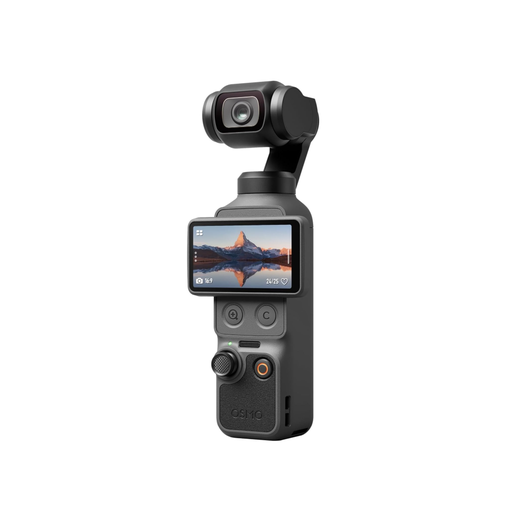
DJI Osmo Pocket 4 Standard Combo
The rotating screen could be useful when composing shots from different angles.
The product name specifies a 1-inch CMOS sensor, 4K/240fps, 3-axis stabilisation, 2× lossless zoom, 107 GB of built-in storage and a 2-inch rotating screen. Check the actual close-focusing distance for fruit details.
View at Joybuy
 No image available
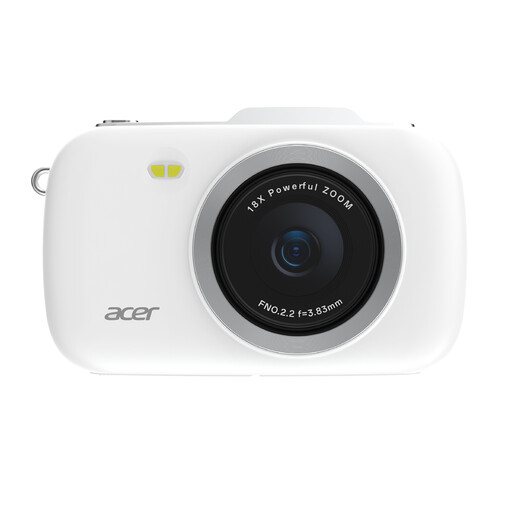
Komery G7-A 4K digital camera, white
This model could be an option if you’re looking for a compact digital camera for photography; check its close-focusing distance for fruit details.
The product name specifies 4K, 80MP and 18× zoom. The zoom figure alone doesn’t indicate how well it performs for close-ups.
View at Joybuy
 No image available
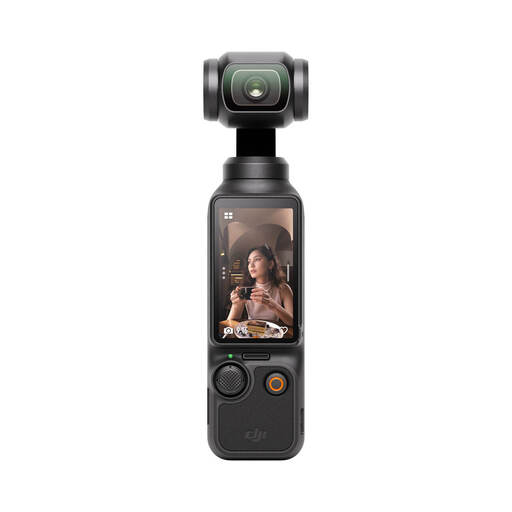
DJI Osmo Pocket 3
This pocket camera is a compact option; before using it to photograph a tart, check that the angle of view and close-focusing distance suit your shooting distance.
The product name specifies a 1-inch CMOS sensor, 4K/120fps video, 3-axis stabilisation and a rotating 2-inch touchscreen.
View at Joybuy
 No image available
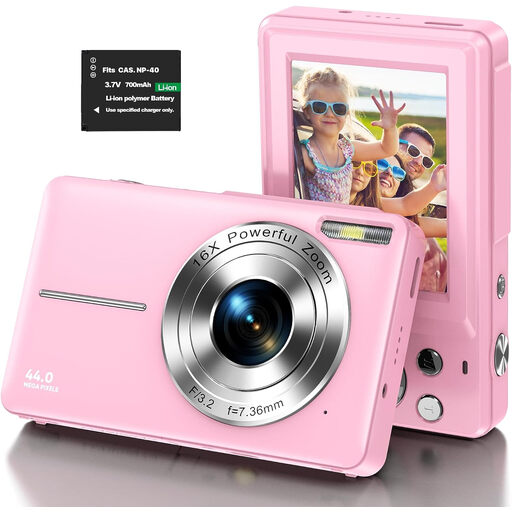
Songdian Pocket Camera 4K, 44MP, pink
The pocket-sized design could suit a compact setup; if you want to photograph individual fruits, check the close-focusing distance of this specific model.
The product name specifies 4K, 44MP and 16× zoom. The product description identifies the zoom as digital, which doesn’t indicate macro performance.
View at Joybuy
 No image available
Rollei mini digital camera, black
The mini format could be useful when space is tight, but the stated focus range means it isn’t suitable for close-up fruit details.
The focus range starts at 1.5 m and extends to infinity, so check that it suits the shooting distance you can manage.
View at Joybuy
Frequently asked questions
How can I tell whether the whole tart will fit in the frame?
Compare the angle of view at the focal length you plan to use with your shooting distance and the camera position available to you. In its food photography guide, Canon Germany distinguishes between wider overhead shots and close-ups.
How can I keep more of the tart in focus in a close-up?
Choose a depth of field that suits your subject. According to Canon Academy, stopping down increases the area in focus, but lets less light reach the sensor and may require a longer exposure time. If your subject isn’t moving, keeping the camera steady can help.
What accessories should I consider before buying?
Check what’s included, including the lens and power supply. Nikon says the Z50II kit with a 16–50 mm lens reviewed does not include a charger. With an interchangeable-lens camera, you may also need another compatible lens for greater magnification.
What can I do if a camera I’ve just bought is faulty?
When you buy as a consumer, your statutory rights apply against the seller; these are separate from any voluntary manufacturer’s guarantee. EU consumer information generally gives you two years from receiving the goods. The rights you have in a specific case depend on the fault and the circumstances of the purchase.
Can I publish a photo of a tart if people can be recognised in the background?
Not in every case. The Federal Commissioner for Data Protection and Freedom of Information points out that the exception for data processing carried out solely for personal or family purposes does not apply, for example, when publishing photos of other people online. For a published recipe photo, try to avoid including identifiable people who aren’t involved; whether it’s permitted depends on the circumstances.


