
Lieferung heute & morgen

Qualitätsgarantie

Willkommens-Angebote freischalten: KOSTENLOSE Lieferung | Bis zu 80 % RABATT | Kostenlose 30-Tage-JoyPlus-Testphase
App herunterladen
Fruit tea is one of the most versatile everyday beverages: it can be brewed hot, served as iced tea or, in the case of Korean tea concentrates, mixed with water and ice. However, the product name alone reveals little about the ingredients, preparation method or sugar content. Anyone who chooses solely based on the peach, yuzu or lemon shown on the packaging may end up with a product that does not suit their drinking habits.
The Joybuy product recommendation team therefore provides an objective overview of the key differences and explains what families, tea enthusiasts and health-conscious adults should consider when buying.
A flavoured fruit tea can taste like peach, grape or lemon even when it contains only a small proportion of fruit pieces. The ingredients list is what matters: if apple, rosehip or hibiscus appear first, they generally form the base of the blend. Flavourings provide the characteristic taste.
When choosing a peach tea, it is therefore worth checking the quantitative ingredient declaration. Teekanne Mediterranean Peach Fruit Tea, for example, lists 7% peach flavouring and 5% peach juice granules. This is verifiable information—not a blanket claim about the intensity of the flavour.
Bagged or loose fruit tea usually consists of dried plant ingredients that are infused with water. Korean fruit tea in a jar, by contrast, is often a sweetened fruit concentrate. TBest Citrus Yuzu Tea contains 60 g of sugar per 100 g, while Delief Citron Tea contains 50 g of sugar per 100 g.
These products are versatile, but they should not be confused with an unsweetened infusion. If you are looking to reduce your sugar intake, check the nutrition table before buying.
Rosehip tea, hibiscus tea and classic fruit blends generally do not contain tea from the tea plant. Oolong or black tea blends, on the other hand, may contain caffeine. This applies, for example, to grape oolong and concentrated mixed drinks containing black tea.
If you are specifically looking for a caffeine-free tea for the evening, children or the whole family, read the product description and ingredients list carefully. A blend containing oolong or black tea is better suited to people who are deliberately choosing those ingredients.
First decide whether you are looking for a pure infusion, a flavoured fruit tea or a concentrate. Also check the declared allergens. Sweet Wheat and Jujube Tea, for example, lists wheat and gluten. Products containing liquorice should likewise be chosen with care. Bünting Winter Tea notes that excessive consumption of liquorice may be unsuitable for people with high blood pressure.
Bagged fruit tea is pre-portioned and ideal for the office, travelling or a quick cup in the morning. Depending on the product, one bag is typically infused with around 200 to 250 ml of water.
Loose fruit tea gives you greater control over the dosage and is practical for preparing larger pots. With Bünting Tee Apple-Lemon blend or Bünting Winter Tea, you can adjust the quantity to suit your preferred flavour. You will need a strainer or filter, and the opened pack should be stored in a dry, airtight place.
Concentrates in jars or larger containers are appealing if you regularly prepare cold drinks, desserts or yoghurt-based creations. Refrigeration is often required after opening.
Many fruit teas are designed to be prepared with boiling water. The recommended steeping time is usually between five and ten minutes. Jeden Tag Rosehip & Hibiscus Fruit Tea specifies eight to ten minutes, while Teekanne Peach Tea should steep for at least five to eight minutes.
There are two common methods for preparing fruit tea hot or cold:
Some oolong products are specifically suitable for cold brewing. With concentrated varieties, on the other hand, two to three teaspoons are usually sufficient when stirred into hot or cold water.
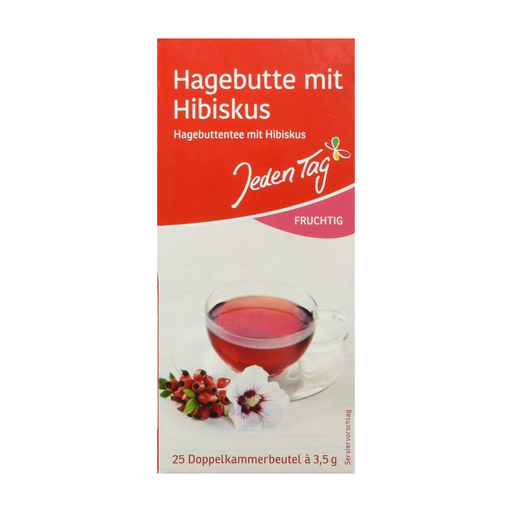
Why this is a good fit: The 25 individually portioned tea bags are ideal for everyday use and households that value effortless preparation.
The ingredients—55% rosehip and 45% hibiscus—are clearly stated. According to the product information, the infusion is caffeine-free and contains 2 kcal per 100 g.
25 tea bags, made in Germany, with a preparation time of eight to ten minutes.
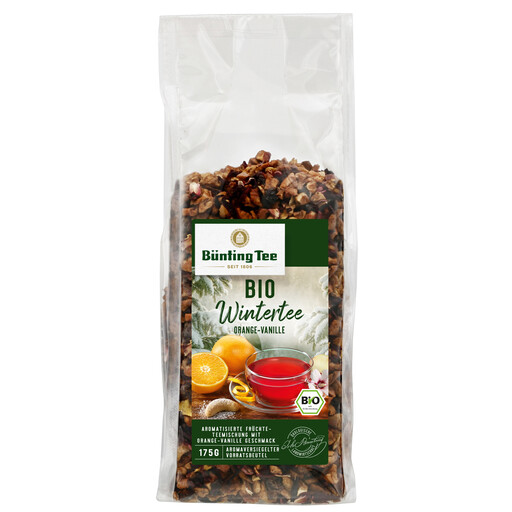
Why this is a good fit: This loose blend is suited to tea drinkers who prepare full pots and prefer to control the dosage themselves.
The ingredient proportions, organic certification and “no added sugar” claim can all be verified in the product description. Liquorice is nevertheless included and should be taken into consideration.
175 g of loose tea, a fruity and spicy orange-vanilla blend, and a stated steeping time of five to eight minutes.
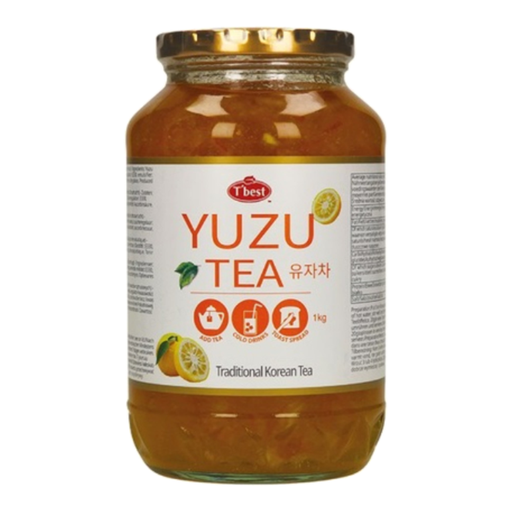
Why this is a good fit: The large-format pack is designed for frequent hot and cold drinks, as well as desserts, yoghurt and pancakes.
The product type is clearly identified: this is a sweetened yuzu concentrate from Korea, not dried tea leaves. Refrigeration is recommended after opening.
Suitable for hot and cold preparation, a 1 kg pack, and versatile use as a drink base or dessert ingredient.
Browse the complete selection for loose fruit tea and other products to suit different tastes, pack sizes and preparation methods.
For a classic fruity cup, Meßmer French Plum is a caffeine-free tea suitable for enjoying hot or cold. The Bünting Tee Acerola-Cherry blend combines apple pieces, hibiscus and rosehip, among other ingredients, and can be prepared hot or cold.
Those who prefer modern Chinese teas can choose Cha Yan Yue Se Habitual Tea Taohuawu with peach and oolong. The portions are infused with water heated to 90–95°C. As the product contains oolong, it should not be classified as caffeine-free. Chayan Yuese’s Grape Oolong offers a similar profile and, according to the product information, can also be brewed hot or cold over a longer period.
For ginger and lemon tea, Gold Kili Ginger Lemon Tea is a convenient pre-portioned option. According to the product description, it consists of 92% ginger and is caffeine-free. With concentrates such as Nokchawon Plum Tea or TBest Lemon Tea, however, the sugar content should be factored into your purchasing decision.
Many classic fruit and herbal tea blends are caffeine-free, including rosehip and hibiscus tea. However, if the ingredients list includes oolong or black tea, the product may contain caffeine. The specific product labelling is decisive.
Yes. Many blends are brewed hot, allowed to cool and then served over ice. Follow the manufacturer’s instructions for steeping time and, where the product carries a corresponding safety recommendation, use boiling water. Concentrates are mixed directly into cold water.
The best-before date is printed on the packaging. Dry tea bags and loose blends should be stored in a cool, dry, dark place away from strong odours. Opened yuzu, lemon or plum concentrates generally belong in the refrigerator and should be used within the stated period.