
Lieferung heute & morgen

Qualitätsgarantie

Willkommens-Angebote freischalten: KOSTENLOSE Lieferung | Bis zu 80 % RABATT | Kostenlose 30-Tage-JoyPlus-Testphase
App herunterladen
By the Joybuy Product Recommendation Officer, August 30, 2026
Fruit tea and iced tea are popular beverages in the UK, whether as a warming infusion on cold days or a refreshing thirst-quencher in the summer. However, the market is crowded, and not every product that looks fruity delivers on its promise. Before you make a decision, it's helpful to know the most common pitfalls that can lead to an unsatisfactory buying experience.
To ensure you get a product that meets your expectations, you should check three core parameters. These will help you objectively assess the product's quality.
The order of the ingredients indicates their proportion in the product. Pay attention to where the fruit that gives the tea its name is listed—is it near the top or only after the flavourings?
The choice of format depends on your personal preferences and desired level of convenience.
This is a crucial point for health-conscious consumers. A beverage advertised as low-calorie should hold up to scrutiny.
Here are some product recommendations tailored to different needs and usage scenarios.
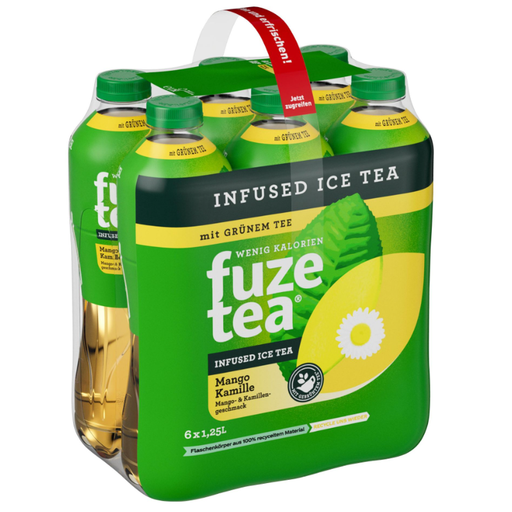
Why This Fits Their Persona: Ideal for families or individuals looking for a convenient, ready-to-drink, and flavourful refreshment. The multi-pack is practical for stocking up at home.
This drink bypasses the sugar trap by combining sugar with the sweetener steviol glycosides. At 19 kcal per 100 ml, it's a low-calorie option compared to many fully sugared iced teas.
The base of brewed green tea (94%) and the combination of mango tea flavour with chamomile extract offer a balanced taste profile. According to the manufacturer, the tea comes from Rainforest Alliance certified farms.
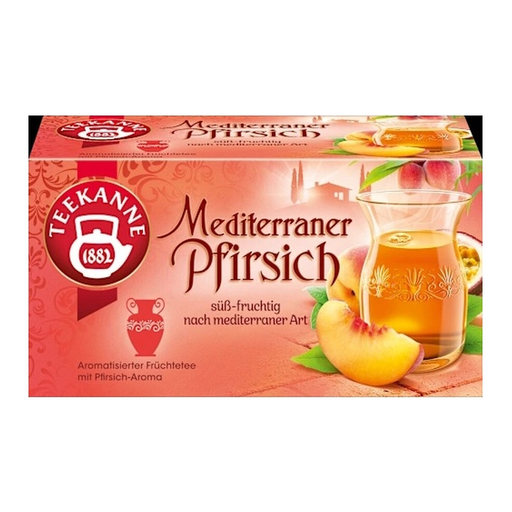
Why This Fits Their Persona: Perfect for those who prefer the classic tea bag and want to control their tea's preparation. A familiar peach flavour for daily enjoyment.
This product completely avoids the sugar trap as it is unsweetened. You have full control over the sweetness and calories. The ingredient list is transparent, indicating the percentage of peach flavouring (7%) and peach juice granulate (5%).
Simple and quick to prepare with boiling water. The beverage is virtually calorie-free (2 kcal per 100 ml) before adding any sweeteners. A reliable choice for a classic fruit-flavoured tea.
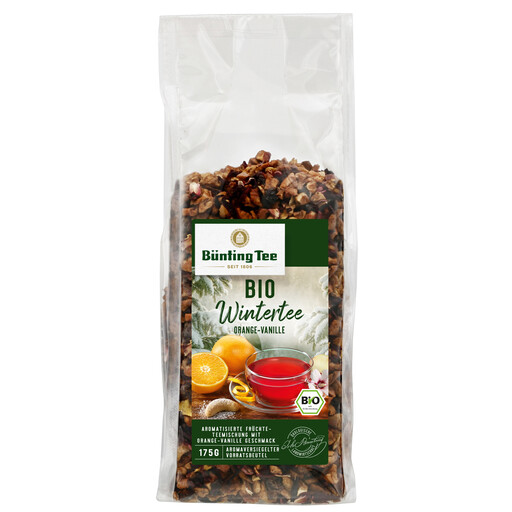
Why This Fits Their Persona: For tea drinkers who value certified organic quality and the flexibility of loose-leaf tea. The composition of orange and vanilla offers a special taste experience for cosy moments.
As a certified organic tea, this product avoids synthetic flavourings and pesticides. The ingredient list is transparent, listing real fruit and plant parts with their percentages, thus bypassing the flavour trap.
The loose tea components allow the flavours to fully develop. The product is caffeine-free and suitable for the whole family. The licorice root provides a natural, subtle sweetness.
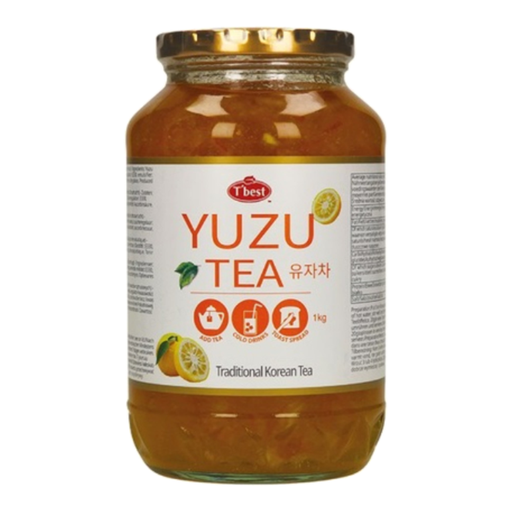
Why This Fits Their Persona: For adventurous connoisseurs looking for an alternative to classic fruit teas. This traditional Korean yuzu tea offers an intense, sweet-and-sour citrus aroma.
This product is a fruit preparation, not a tea blend. It's clear from the outset that this is a sweetened product (Ingredients: Yuzu, sugar, honey). The "hidden sugar" trap doesn't apply here, as sweetness is an integral part of the product.
Very versatile: can be used as a hot or cold drink, but also as a spread on bread, in yogurt, or with desserts. The 1 kg package offers great value for regular use.
We've compiled a complete, up-to-date list of products that fully meet these strict selection criteria.
1. What is the difference between fruit tea and fruit-flavoured tea? A pure fruit tea consists of a blend of dried fruits, herbs, and flowers (e.g., rosehips, hibiscus, apple pieces) and is naturally caffeine-free. A fruit-flavoured tea often has a base of real tea (like black, green, or white tea) to which fruit pieces or flavourings are added. This variant usually contains caffeine.
2. How do I properly prepare loose-leaf fruit tea? To prepare loose-leaf tea, you will need a tea strainer or a teapot with a built-in filter. As a rule of thumb, use about one heaped teaspoon of the tea blend per cup (approx. 200–250 ml). Always pour boiling water (100°C) over the tea and let it steep according to the manufacturer's instructions, usually between 5 and 10 minutes. This is the only way to ensure a safe beverage.