For arrangement photography
You photograph harvest baskets, plates or several ingredients, and want to vary the framing in a confined space. Canon’s food photography buying guide highlights the trade-off between close-ups and wider angles of view.


For whole bowls, plates and several ingredients, a mirrorless camera kit with a standard zoom is a sensible starting point: Canon states that the RF-S 18–45mm lens in the EOS R50 kit has a maximum magnification of 0.25x. For leaf veins and other tiny details, check the magnification ratio and consider a compatible macro lens if needed; Canon states that the RF 35mm F1.8 IS Macro STM offers 1:2 magnification. In low window light, diffuse side lighting can help. For still subjects, a tripod and a longer exposure can also be useful, although movement within the scene may still cause blur.
You photograph harvest baskets, plates or several ingredients, and want to vary the framing in a confined space. Canon’s food photography buying guide highlights the trade-off between close-ups and wider angles of view.
You want to capture skins, seeds or leaf veins in detail, so you need suitable close-focusing capabilities and control over depth of field. Canon Academy points out that the area in focus is smaller in macro photography.
You work by the window at different times of day and want to control shadows and camera shake when photographing still subjects. Nikon Germany describes the use of side lighting and notes that bright, overcast weather can provide softer, more diffused light.
A good fit if: You photograph whole arrangements, several ingredients or overhead shots, and want to vary the framing.
Worth bearing in mind: Canon states that the RF-S 18–45mm offers a maximum magnification of 0.25x, so a standard zoom is not automatically designed for extreme close-ups.
A good fit if: Tiny textures such as leaf veins or seeds are your main subject, and you want to compare magnification ratios carefully.
Worth bearing in mind: An additional lens means another purchase. Close-ups also have a shallower depth of field.
A good fit if: Your camera already focuses closely enough and harsh shadows are the main issue. Nikon Germany recommends side lighting; a piece of white card opposite the window can soften shadows.
Worth bearing in mind: Changing your lighting setup will not alter your camera’s magnification ratio or lens compatibility.
| Buying priority | What to look for | Who might prioritise this? |
|---|---|---|
| Flexible framing | Check the zoom range of the specific kit and the space available for your shooting distance. | When I photograph individual pieces of fruit and larger arrangements by the window, I want to choose the right framing. Around 40% of consumers are likely to prioritise flexible framing for arrangements. |
| Detailed close-ups | Compare the lens’s maximum magnification ratio and check whether an additional macro lens is compatible. | When I want to show skins, seeds or leaf veins in detail, how close I can get and how much detail I can capture matter to me. Around 30% of consumers are likely to prioritise close-ups of fine textures. |
| Sharp photos in changing light | Check whether the specific lens has stabilisation and whether you can use a tripod; a tripod will not prevent movement in the subject. | When the light by the window changes, I want to photograph still subjects with minimal camera shake, even at longer exposure times. Around 20% of consumers are likely to prioritise changing or low daylight conditions. |
| Photos and short videos | Compare the screen’s range of movement and the photo and video features of the exact kit version. | When I want to film ingredients or steps alongside still-life shots, I look for a version that can do both. Around 10% of consumers are likely to prioritise a camera for both photos and videos. |
A lens can focus closely without making a small subject appear particularly large. Canon states that the RF-S 18–45mm offers a maximum magnification of 0.25x, while the RF 35mm F1.8 IS Macro STM offers 1:2 magnification.
First decide how large you want the subject to appear in the finished image, then compare the maximum magnification ratios of the specific lenses.
Stabilisation can help counter camera movement when shooting handheld. However, a moving subject can still look blurred at longer exposure times.
Use diffuse side lighting for still subjects and a tripod for longer exposures. Treat moving ingredients as a separate shooting scenario.
When deciding what to buy, check the exact camera and lens version on offer, as well as the accessories included.
Before ordering, compare the full model name and the list of items included with what you need.
The EOS R50 kit with RF-S 18–45mm is an option for flexible framing. A separate RF 35mm macro lens is another compatible choice for close-ups.
The Z50II kit with NIKKOR Z DX 16–50mm f/3.5–6.3 VR is an option for varying your framing and shooting from different angles.
According to Sony, the ZV-E10-II kit with SELP16502 is designed for use where video recording matters alongside photography.
The following Joybuy models are available for photography and/or video recording. Before buying, check the close-focusing capability and the framing you want from each version for window-side fruit and vegetable photography.
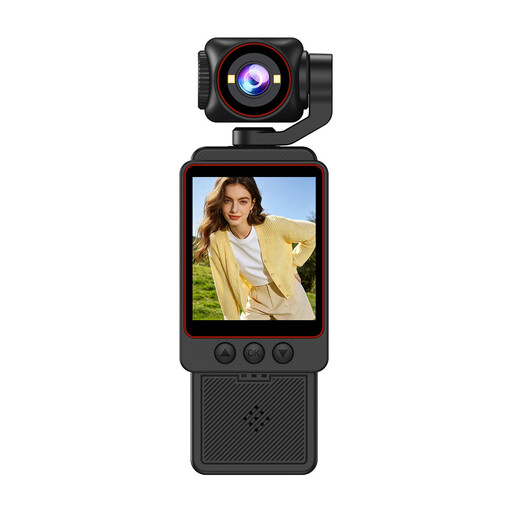 No image available
The product description mentions photos as well as video recording. For still-life photography, check whether you can position the camera to achieve the framing you want.
The product name specifies 2K and a 360° rotating lens.
 No image available
The product name mentions photography and vlogging. For close-ups of fruit skins, check whether the focusing distance is right for the size of subject you want to capture.
Features listed include a 1″ CMOS sensor, 4K/240fps, 107GB of built-in storage and a 2″ rotating screen.
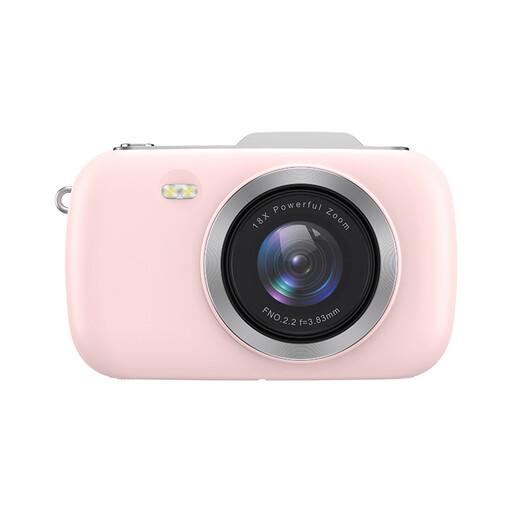 No image available
The product name describes a camera for photography. If you want to use it to photograph seasonal ingredients, check that it can focus closely enough and frame your subject as you want.
The product name lists 4K and 80MP. Check the zoom specification for the exact version before buying.
 No image available
The product name mentions photo and video recording. For close-ups of fruit or vegetables, also check whether the camera can focus at the distance you need.
The product name lists 12× optical zoom, 4K, Wi-Fi and 64MP.
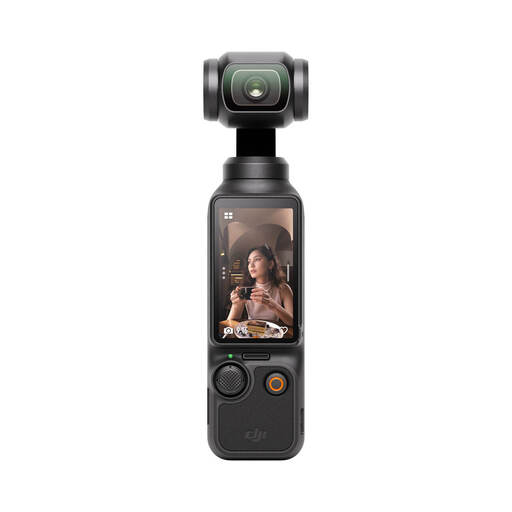 No image available
The product name describes this model as suitable for photography and video. For food still-life shots, check that the close-focusing capability and framing suit your needs.
The title lists a 1-inch CMOS sensor, 4K/120fps video, 3-axis stabilisation and a rotatable 2-inch touchscreen.
No. A standard zoom may be suitable for whole arrangements to begin with. If you want small details to appear large in the frame, compare the maximum magnification ratio of the specific lens: Canon states that the RF-S 18–45mm offers a maximum of 0.25x, while the separately sold RF 35mm F1.8 IS Macro STM offers 1:2 magnification.
Start with daylight from the side; Nikon Germany describes bright, overcast weather as one way to get more evenly diffused light. A piece of white card opposite the window can soften shadows. For close-ups of still subjects, a tripod can help you use longer exposure times.
Compare the full model and kit name, as well as the list of items included, with the lens and accessories you need. This helps you assess the exact version rather than relying on the camera body name alone.
For relevant distance sales contracts in the EU, you generally have 14 days from delivery to withdraw from the purchase, although exceptions may apply. The European Union’s Your Europe website also states that faulty goods are covered by a legal guarantee of at least two years from receipt. This guarantee from the seller is different from a voluntary manufacturer’s warranty.