
Lieferung heute & morgen

Qualitätsgarantie

Willkommens-Angebote freischalten: KOSTENLOSE Lieferung | Bis zu 80 % RABATT | Kostenlose 30-Tage-JoyPlus-Testphase
App herunterladen
Fruity alcoholic drinks range from mild umeshu and peach liqueur to cider, aperitifs, soju and international rice wines. The wide selection makes shopping easier, but comparing products can be more challenging. Sweet flavours can make the alcohol content seem less noticeable, miniature bottles may appear inexpensive at first glance, and with ready-to-drink beverages, the actual quantity per bottle is sometimes overlooked.
This shopping guide from the Joybuy Product Recommendation Officer explains which details matter before you buy and which products may suit different occasions. The range is intended exclusively for adults aged 18 and over. Alcohol should always be consumed responsibly and in moderation.
Fruit liqueur, peach liqueur, fig liqueur and flavoured soju often taste sweet or strongly fruity. That does not mean they contain little alcohol. It is therefore essential to check the % vol declaration:
The flavour description therefore does not replace the product information on the label.
When it comes to party shots and miniature bottles of alcohol, bottle size is particularly important. A set containing 30 bottles of 20 ml each holds 0.6 litres in total. Another set may contain fewer bottles but offer larger individual portions. For a fair price comparison, you should compare individual volume, total volume and alcohol content side by side.
It is also worth taking a close look at ready-to-drink beverages: three bottles of 0.2 litres are not the same as one 0.7-litre bottle, even if both packs look similar.
Descriptions such as “authentic”, “traditional” or “natural” should be assessed against the specific product information. Important details include:
For products containing sulphites or cereals containing gluten, the ingredients list should be read particularly carefully.
Different profiles suit drinking neat over ice than mixing into a cocktail or spritz. According to the product information, an aperitif such as Sarti Rosa is best served well chilled, over ice or mixed with Prosecco and soda. An Italian amaro with a higher alcohol content, on the other hand, can be enjoyed as a digestif or used as a cocktail ingredient.
Pre-portioned party shots are practical for celebrations where drinks need to be served easily. If you are looking for something to accompany a meal, you could consider a fruity rice wine, sherry or umeshu. The recommended way of serving should match both the alcohol content and the occasion.
“Fruity” is not a single, uniform flavour description. Depending on the product, the following notes may take centre stage:
A plum wine such as umeshu is not automatically the same as a classic fruit liqueur. The recipe, base alcohol, sugar content and fermentation process differ.
For personal enjoyment, a 0.5- to 0.75-litre bottle may be sufficient. For parties or larger gatherings, multipacks can be more economical and easier to organise. After opening, some products need to be refrigerated and should be consumed promptly. This applies, for example, to Mi Popo Authentic Rice Wine Plum Liquor: according to the product information, the bottle should be refrigerated after opening and consumed within 24 hours.
For imported drinks such as makgeolli, soju or Japanese cider, you should also check the packaging for mandatory information in German, the importer’s details, allergens and the best-before date.
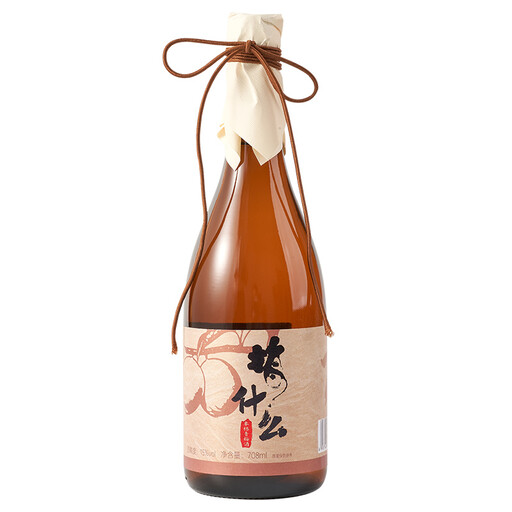
Why this product suits the profile: The 708 ml bottle is a manageable size for anyone new to fruity rice wines and plum wine. At 15 % vol, it can be served chilled, over ice or with soda.
The alcohol content, net fill volume, ingredients and origin are clearly stated. This makes it easier to compare the product with other umeshu or fruit wines.
A traditional rice wine base, green plums and clear serving options: chilled, over ice or with soda.
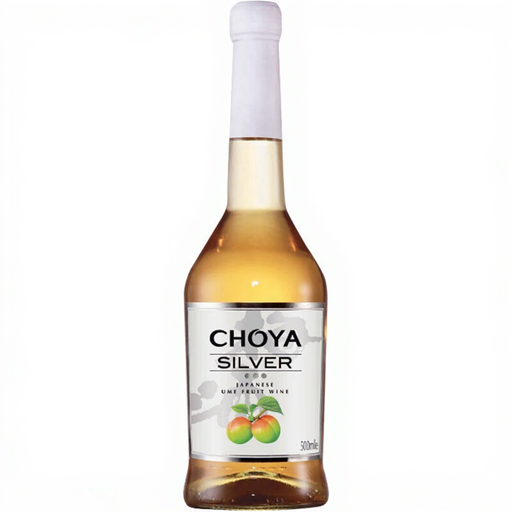
Why this product suits the profile: According to the product description, this Japanese umeshu combines sweet and tart plum notes with a moderate alcohol content of 10 % vol.
The bottle size and alcohol content are clearly stated. It is also versatile to serve: chilled, over ice or as a cocktail base.
Japanese origin, 500 ml contents and well-balanced sweet and tart plum notes.
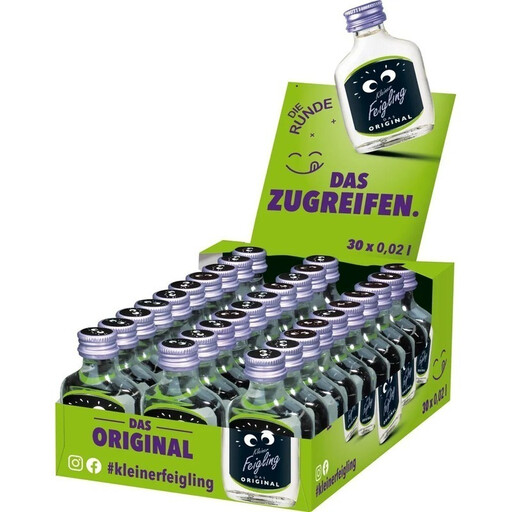
Why this product suits the profile: This miniature set is designed for serving individual portions at parties, barbecues or social gatherings. Each bottle contains 20 ml at 20 % vol.
The pack states both the individual bottle size and the total volume. This prevents the actual quantity from being confused with that of a standard bottle.
30 individually sealed 20 ml bottles with a fruity fig note; chilling is recommended before serving.
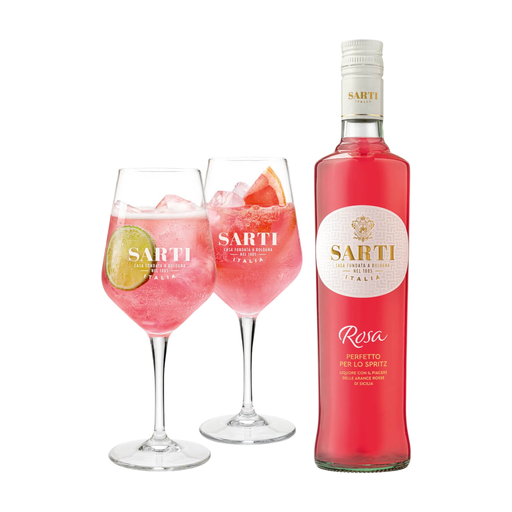
Why this product suits the profile: This Italian aperitif contains 14 % vol and is described as combining blood orange, passion fruit and mango. It is ideal for making a Sarti Rosa Spritz with Prosecco and soda.
The product details state the alcohol content, origin, volume, colourings and specific serving options. This makes it easier to choose the right aperitif for your recipe.
A 0,7 l bottle and several serving options: neat, over ice, with soda or as a spritz.
We have put together a complete, regularly updated list of products that fully meet these strict selection criteria and the safety regulations applicable in the EU.
Depending on the occasion, other fruity alcoholic drinks may also be worth considering. Lillet White Peach and Lillet Grapefruit are available as chilled ready-to-drink options in 0.2-litre bottles. Somersby Blackberry Cider is available in a multipack with 4,5 % vol and contains sulphites, according to the product information. KOOKSOONDANG Makgeolli Peach contains 3 % vol, is rice-based and contains cereals with gluten. For fuller, drier profiles, consider Osborne Medium Dry Sherry at 19 % vol or Averna Amaro Siciliano at 29 % vol.
Before buying, you should consider whether the product is intended for immediate drinking, mixing, giving as a gift or serving to a larger group. The available refrigeration facilities, number of portions required and any allergens present will also influence your choice.
Peach liqueur, Sarti Rosa, umeshu and ready-to-drink aperitifs can be combined with soda, Prosecco, Bitter Lemon or fruit juices, depending on the recipe. Check the alcohol content and existing sweetness to ensure that the mixed drink does not become too sweet.
This depends on the type of product. Unopened bottles should be stored in a cool, dry place away from direct sunlight, as stated on the label. After opening, some rice wines need to be refrigerated and consumed promptly. The instructions on the individual packaging should always be followed.
Compare the number of bottles, individual volume, total quantity and % vol. Ingredients, allergens and the recommended serving temperature are also important. Miniature bottles are conveniently portioned, but they are not automatically cheaper than a larger bottle.