
Lieferung heute & morgen

Qualitätsgarantie

Willkommens-Angebote freischalten: KOSTENLOSE Lieferung | Bis zu 80 % RABATT | Kostenlose 30-Tage-JoyPlus-Testphase
App herunterladen
If you want to buy fruity wines online, you’ll find a wide selection of plum wine, rosé, sparkling wine, cider and ready-made cocktails. However, product pages can vary considerably in their alcohol content, residual sugar, bottle size and pack size. So an attractive product image doesn’t tell you much about whether a drink is right for the occasion you have in mind.
“Fruity” mainly describes the aromas you can expect, not necessarily the sugar content. A wine with berry or plum notes can be made in a dry, medium or sweet style. So if you’re expecting a sweet wine, check the flavour description and, where available, the carbohydrate or sugar information.
A medium rosé wine is usually less sweet. These wines often work better with salads, fish, poultry or light grilled dishes, while sweeter styles can also be served with desserts or spicier food.
A product description such as “6 × 0.75 l” means a case of six bottles, not a single bottle. For a quiet evening at home, a single bottle or smaller format may be more suitable. A multi-pack, on the other hand, is often more convenient for a party or for stocking up. Before you buy, compare the net quantity, number of bottles and total volume.
Ready-made cocktails are prepared in advance, but the recommended chilling method varies. Lillet Berry is served chilled, straight from the bottle or over ice. A slush cocktail, on the other hand, needs time in the freezer. Serving temperature also affects the perceived flavour and bubbles in cider and Prosecco rosé.
Alcohol content is shown as % vol. For comparison, a fruity aperitif may contain around 10 % vol., a rosé wine around 10 to 12 % vol., while a liqueur can be considerably stronger. In Germany, wine, sparkling wine and certain mixed drinks can generally be sold to people aged 16 and over; spirits and spirit-based products are restricted to those aged 18 and over. Online retailers must carry out suitable age checks and prevent sales to minors.
Alcoholic drinks should be consumed responsibly. These products are not suitable for pregnant women, children or anyone who is unable or does not wish to drink alcohol.
It’s worth checking the ingredients list for wine, fruit wine and mixed drinks. Sulphites or sulphur dioxide are listed as an allergen in many wines. Cider may also contain apple juice, sugar, flavourings and colourings. Ready-made cocktails may contain sweeteners, acidity regulators or preservatives, among other ingredients.
If you want to buy plum wine, check whether it’s a traditional fruit wine or a liqueur. The alcohol content, sweetness and recommended uses can vary considerably. When your order arrives, check the label against the information on the product page.
Most fruity wines taste best chilled. However, always follow the manufacturer’s instructions for the product in question. Prosecco rosé is often served at around 6 to 8 °C, while rosé wine is usually served between 8 and 12 °C. Reseal opened bottles, store them in a cool place and drink them within a few days. Unopened products should be kept somewhere cool, dry and out of direct light.
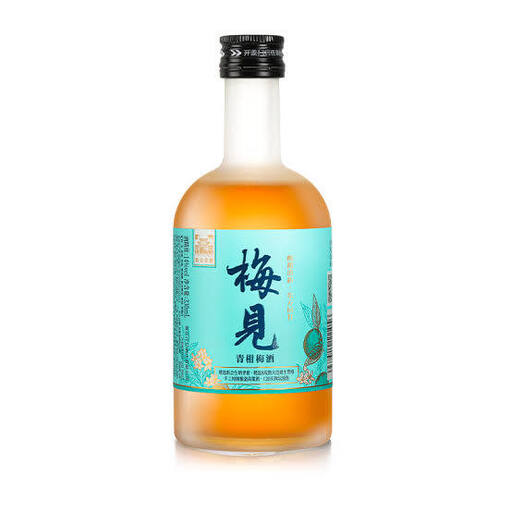
Why this product suits this profile: The 330 ml bottle is ideal for an individual serving, a small get-together or trying a fruity plum wine with a citrus note.
The smaller bottle reduces the risk of buying a large bottle that you can’t finish in time once opened.
12 % vol.; 330 ml; plum and green mandarin; listed as suitable for cocktails.
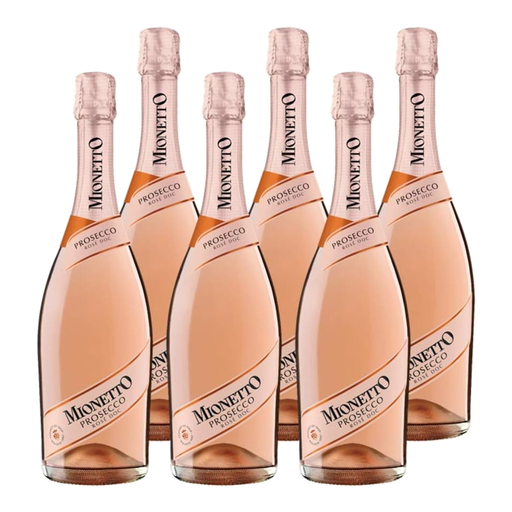
Why this product suits this profile: This Italian Prosecco rosé has a defined designation of origin, 11 % vol. and a blend of Glera and Pinot Noir grapes.
Details of the DOC designation, grape varieties, alcohol content and serving temperature make it easier to compare with other rosé sparkling wines.
6 × 0.75 l; Italy, Veneto; 6–8 °C; described as having fine bubbles and an Extra Dry style.
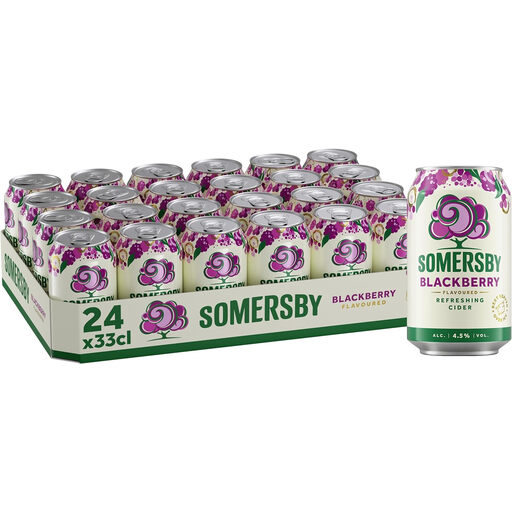
Why this product suits this profile: The 24-pack is made for larger get-togethers, barbecues and parties where individual cans are easy to serve.
The cans make the serving size clear and avoid the potential loss of quality that can come with opened large bottles.
24 × 0.33 l; 4.5 % vol.; blackberry cider; listed as containing sulphites.
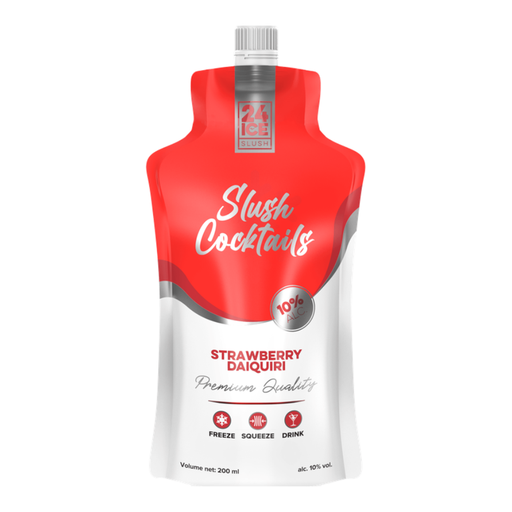
Why this product suits this profile: This pre-mixed cocktail is ideal for parties at home, warm days and occasions when you’d rather not mix drinks yourself.
The need to freeze it is clearly highlighted, so you know it shouldn’t simply be chilled.
200 ml; 10 % vol.; strawberry daiquiri; intended to be frozen and served in portions from the pouch, according to the product information.
We’ve put together a complete, regularly updated list of products that meet these strict selection criteria and fully comply with the safety regulations in force in the EU.
Depending on the occasion, other products may also be a good choice:
The acidity isn’t always given in full on the product page. Descriptions such as “soft”, “medium” or “sweet” may suggest a gentler taste, but they’re no substitute for an objective analysis. If you’re sensitive to acidity, check the manufacturer’s details and the ingredients information.
It depends on the type of drink. Once opened, fruit wine and rosé should be resealed, kept chilled and drunk within a few days. Sparkling wine usually loses its fizz more quickly. For specific guidance on how long it will keep, follow the instructions on the label.
A case may work out cheaper per bottle, but that isn’t always the case. What matters is the price per litre or serving, including delivery costs. For a fair comparison, also take bottle size, alcohol content, deposit and any delivery charges into account.