
Lieferung heute & morgen

Qualitätsgarantie

Willkommens-Angebote freischalten: KOSTENLOSE Lieferung | Bis zu 80 % RABATT | Kostenlose 30-Tage-JoyPlus-Testphase
App herunterladen
A frying pan is part of the everyday cookware in many British households. However, there are clear differences between a non-stick frying pan, a stainless steel pan and a classic iron or carbon steel pan. If you focus only on an eye-catching coating or a low price, you may end up buying a pan that is not suitable for your hob, cooking style or cleaning routine.
The most important buying decisions concern material, diameter, coating, hob compatibility and care. Our selection shows what matters for different usage profiles.
A 20 to 30 cm frying pan is usually measured at the upper rim. However, the base diameter determines the actual cooking surface. For example, a 24 cm pan may have a base measuring around 18 cm. On a large induction zone, the heat may therefore not be distributed across the entire surface.
As a rough guide:
A non-stick pan is not automatically dishwasher-safe or designed for high temperatures. With many coated models, heating while empty, metal turners and abrasive sponges can damage the surface. Ceramic pans should also generally only be used over low to medium heat.
You should therefore check the specific information on:
An aluminium frying pan is generally not suitable for induction without a magnetic base. An induction frying pan requires a magnetic base plate or an induction-compatible multi-layer base. The manufacturer’s induction specifications should also be checked for stainless steel pans, as not every stainless steel alloy is magnetic.
Aluminium heats up quickly and is comparatively lightweight. A coated aluminium frying pan is often suitable for delicate foods such as fish, eggs or pancakes. With thinner models, however, the base can warp at high heat. A forged or cast construction generally offers greater stability than very thin pressed aluminium.
Stainless steel is durable, heat-resistant and unaffected by metal turners when uncoated. However, frying without a coating requires careful control of the temperature and amount of fat. A multi-layer base made from stainless steel and aluminium can improve heat distribution.
Carbon steel is suitable for searing food at high temperatures. Over time, seasoning creates a patina that can help food release more easily. These pans must not be left damp for long and should not be put in the dishwasher.
Ceramic coatings allow you to fry with little fat and are often free from PTFE. Even so, they should not be heated empty for extended periods and are best used with wooden, silicone or plastic turners.
A coated frying pan is practical when easy cleaning and low-fat cooking are priorities. Pay particular attention to the maximum temperature specification if you also want to use the pan in the oven. A plastic or Bakelite handle can significantly restrict oven use.
A frying pan with a lid is practical for casseroles, vegetables, sauces and slow cooking. A glass lid lets you keep an eye on your food without heat and moisture constantly escaping. A removable handle saves storage space, but requires a compatible handle system.
The term dishwasher-safe frying pan should not be taken to mean that machine cleaning is always recommended. Cleaning tablets, high temperatures and friction can cause coated surfaces to lose their performance more quickly. Washing by hand with a soft sponge is often gentler.

Why this product suits this profile: The compact 20 cm size is suitable for individual portions and smaller households. The aluminium construction is lightweight and designed for gas, electric, ceramic and induction hobs.
The manufacturer’s specifications state the hob compatibility, the 14.5 cm base diameter and clear temperature limits for the coating and oven.
Silitan non-stick coating, Bakelite handle and a 5-year manufacturer’s warranty according to the product specifications.
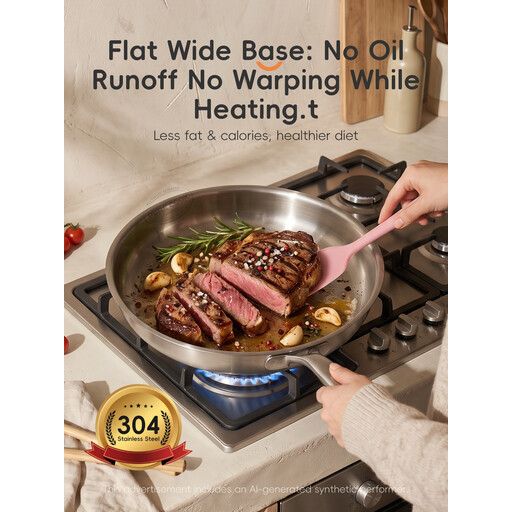
Why this product suits this profile: The 28 cm stainless steel pan is aimed at households that prefer an uncoated surface, a multi-layer construction and a larger frying area.
The stainless steel–aluminium–stainless steel construction is explicitly described. This makes not only the outer material but also the construction transparent.
Suitable for all common hob types and dishwasher-safe according to the product description; an uncoated model.
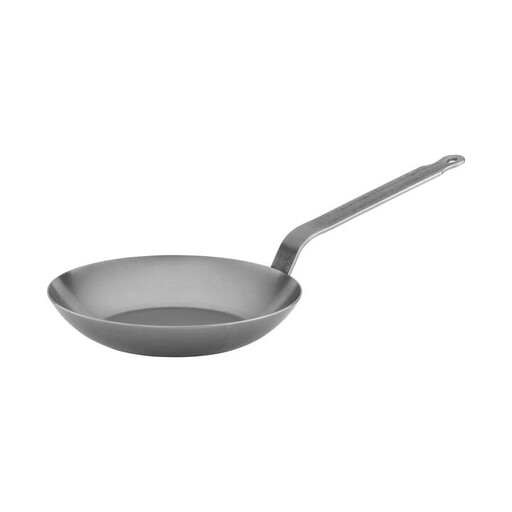
Why this product suits this profile: Carbon steel is suitable for cooks who frequently sear food at high temperatures and are prepared to maintain a patina through seasoning and regular oiling.
The care requirements are clearly stated: season before first use, do not put in the dishwasher, dry immediately and apply a thin layer of oil.
24 cm diameter, 1.15 kg weight, steel handle and suitability for induction, gas, ceramic hobs, oven and open flame according to the product description.
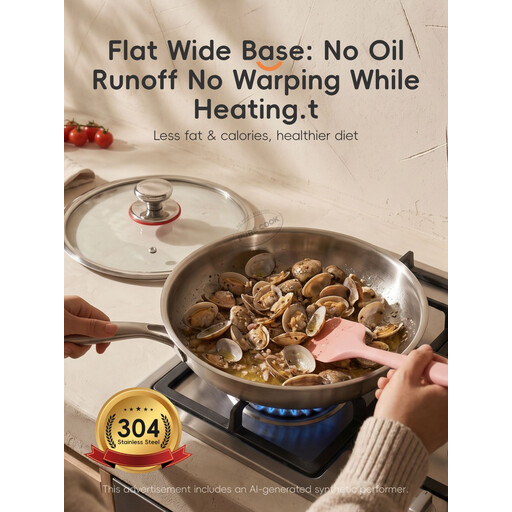
Why this product suits this profile: The combination of a 28 cm frying area and glass lid is suitable for larger portions, sauces, braising and slow cooking.
The lid, material construction, hob types and dishwasher suitability are listed separately in the product specifications, making them easier to compare.
Tri-Ply construction, 304 stainless steel, glass lid and suitability for gas, induction, ceramic and halogen hobs according to the description.
We have put together a complete, regularly updated list of products that fully meet these strict selection criteria and the safety regulations applicable in the EU.
For a one- or two-person household, 24 to 26 cm is generally the most versatile size. A 28 to 30 cm pan provides more room for vegetables, meat or several portions, but requires a suitable hob and sufficient storage space.
Pans with explicitly stated induction compatibility are suitable. Aluminium alone is not enough. With stainless steel and carbon steel models, you should also check whether the base is magnetic and what diameter of induction zone it covers.
The service life depends on the quality of the coating, temperature, kitchen utensils and cleaning method. Gentle heating, hand washing and avoiding metal utensils can help the surface last longer. With suitable care, an uncoated stainless steel or carbon steel pan is less dependent on the condition of a non-stick coating, but requires a different cooking technique.