
Lieferung heute & morgen

Qualitätsgarantie

Willkommens-Angebote freischalten: KOSTENLOSE Lieferung | Bis zu 80 % RABATT | Kostenlose 30-Tage-JoyPlus-Testphase
App herunterladen
A good frying pan is the heart of the kitchen. But the market is overwhelming and full of marketing promises that often obscure more than they clarify. The wrong choice not only leads to burnt food but also to unnecessary expense. As your Joybuy Product Recommendation Officer, I'll help you identify the crucial features and find a pan that truly suits your cooking style.
Before we dive into the key features, let's highlight three common problems that often only become apparent after purchase and lead to frustration in the kitchen.
To avoid these pitfalls, focus on three verifiable criteria: the material, the base construction, and versatility.
The material is a key determinant of your pan's cooking performance and durability.
A thick, warp-resistant base is essential for even heat distribution.
The right size and practical extras make all the difference in daily use.
Instead of making a one-size-fits-all recommendation, we have selected products that meet specific needs and incorporate the quality features mentioned above.
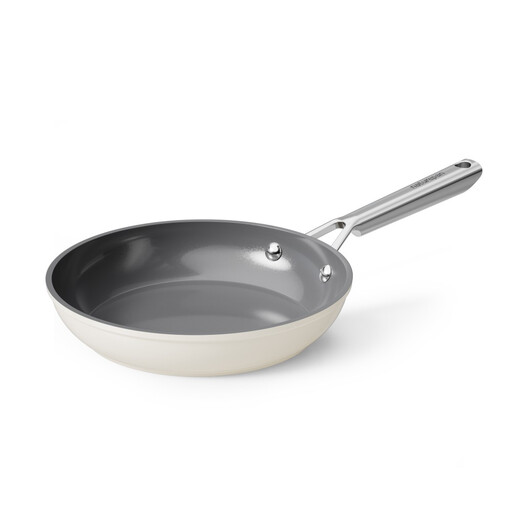
Why this model fits: Ideal for anyone who values toxin-free cooking. Its compact size is perfect for smaller portions, egg dishes, or quickly searing vegetables with minimal oil.
Directly addresses concerns about toxins with a ceramic coating explicitly declared as PTFE/PFOA/PFAS-free. The reinforcement with diamond and titanium particles aims for greater durability than standard ceramic pans.
The pan is suitable for all hob types, including induction, and is oven-safe up to 260°C, making it highly versatile.
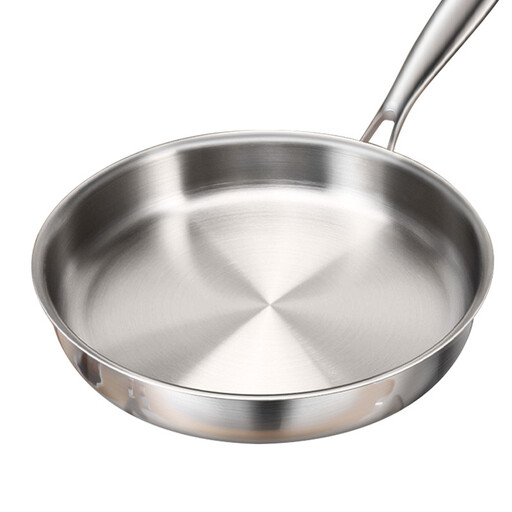
Why this model fits: For cooks seeking maximum control, high temperatures, and a durable pan for perfect searing results. The stainless steel pan is ideal for steaks and anything that needs a deep crust.
Completely bypasses the problem of short-lived coatings by being uncoated. The triple-ply construction ensures a warp-resistant, flat base that prevents buckling under heat.
Extreme durability and heat resistance. The pan is suitable for all hob types and can withstand the use of metal utensils.
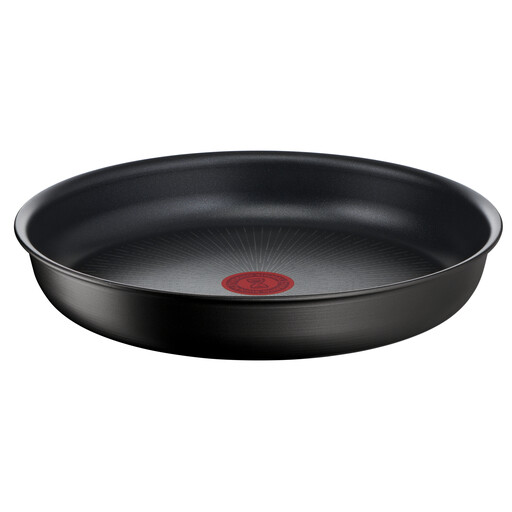
Why this model fits: The solution for kitchens with limited storage. The detachable handle allows for space-saving stacking of multiple pans and makes it usable from the hob directly to the table for serving or in the fridge for storage.
Although it's coated, Tefal uses a Titanium Anti-Scratch coating described as scratch-resistant. Its versatility (oven, table, fridge) offers clear added value that goes beyond a simple frying pan.
Maximises space with its stackable design and removable handle. The pan is oven-safe up to 250°C (without the handle) and suitable for all hob types.
We have compiled a complete, up-to-date list of products that fully meet these strict selection criteria and safety standards.
1. How often should you replace a frying pan? The lifespan depends heavily on the material and care. A coated pan should be replaced as soon as the non-stick effect noticeably diminishes or the surface shows visible scratches. An uncoated stainless steel pan or a cast-iron pan can last a lifetime with proper care.
2. Can I use a stainless steel pan without food sticking? Yes, with the right technique. The key is to preheat it correctly. Heat the empty pan over medium heat. Do the water drop test: sprinkle a few drops of water into it. If they sizzle and evaporate, the pan isn't hot enough yet. If the drops dance across the base like beads, the ideal temperature has been reached. Only then should you add oil, swirl it briefly, and then add your food.
3. Is a ceramic pan truly free of harmful substances? High-quality ceramic pans are a good choice for health-conscious cooking, as their coating is made on a mineral basis and is typically free of PTFE (the main component of classic non-stick coatings) and PFOA. To ensure that no per- and polyfluoroalkyl substances (PFAS) have been used, you should look for an explicit label like "PFAS-free" on the product description or packaging.