
Lieferung heute & morgen

Qualitätsgarantie

Willkommens-Angebote freischalten: KOSTENLOSE Lieferung | Bis zu 80 % RABATT | Kostenlose 30-Tage-JoyPlus-Testphase
App herunterladen
A frying pan should heat evenly, suit your hob and be easy to clean. In practice, unclear coating information, unsuitable sizes or incorrect care can quickly lead to disappointment. If you are looking for a frying pan for induction, gas or ceramic hobs, do not focus solely on colour and marketing claims. Compare the technical specifications too.
A non-stick frying pan can make frying easier with less fat. However, its lifespan depends greatly on temperature, kitchen utensils and cleaning. Metal turners, heating an empty pan and abrasive cleaning products can damage the surface. Similar precautions often apply to a ceramic frying pan: silicone or wooden utensils and hand washing can help protect the coating.
If you are looking for a PFAS-free frying pan, read the specific material information carefully. “Ceramic” and “uncoated” do not mean the same thing. According to the product information, the Ballarini frying pan with CeraForce coating uses a PTFE- and PFOA-free ceramic surface. An uncoated stainless steel frying pan or cast-iron frying pan, on the other hand, is designed for a different style of cooking.
An induction frying pan must have a magnetic base or a suitable induction disc. Aluminium alone generally does not work on induction hobs. Many modern models therefore combine an aluminium body with a stainless steel base.
Before buying, check whether the pan is suitable for gas, electric, ceramic, halogen and induction hobs. Claims such as “suitable for all hob types” should be confirmed specifically in the product details.
An ovenproof frying pan is only as heat-resistant as its weakest component. The pan body may withstand higher temperatures, while a plastic or Bakelite handle can restrict use in the oven. For example, Silit Belluna is listed as heat-resistant up to 260 °C, but according to the product information, oven use is approved only up to 70 °C.
A “dishwasher-safe frying pan” does not necessarily mean that the dishwasher is the best care option. For coated models, hand washing can help extend their service life. Uncoated carbon steel and cast iron should generally not be put in the dishwasher.
The right size depends on your hob, household size and typical portions:
Also pay attention to the base diameter. The stated pan diameter does not always indicate the actual heated surface.
A frying pan without a lid is usually lighter and is ideal for direct frying. A frying pan with a lid is useful when you want to braise food, reduce liquid or keep dishes warm. Removable handles save storage space, but must be compatible with the relevant pan system.
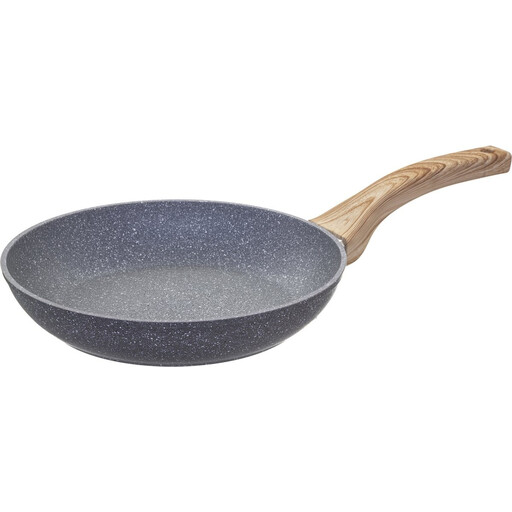
Why this product fits the profile: The 26 cm aluminium body offers a versatile size for everyday use and, according to the product information, is suitable for gas, electric, ceramic, halogen and induction hobs.
The hob compatibility and two non-stick layers are clearly specified. Hand washing is recommended for a longer service life.
26 cm diameter, aluminium body, stainless steel induction disc and, according to the product information, dishwasher-safe.
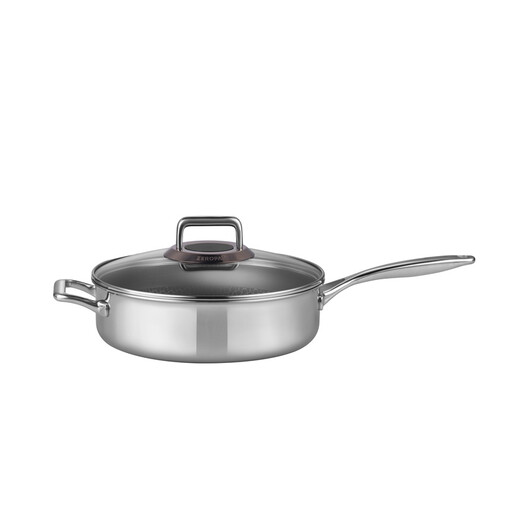
Why this product fits the profile: The combination of stainless steel, an aluminium core and a honeycomb structure is designed for households looking for a versatile pan for different hob types and the oven.
According to the product information, the pan is free from PFAS, PTFE and PFOA. The multi-layer base is designed to distribute heat across the cooking surface.
Suitable for all common hob types and, according to the product information, ovenproof up to 260 °C and dishwasher-safe.
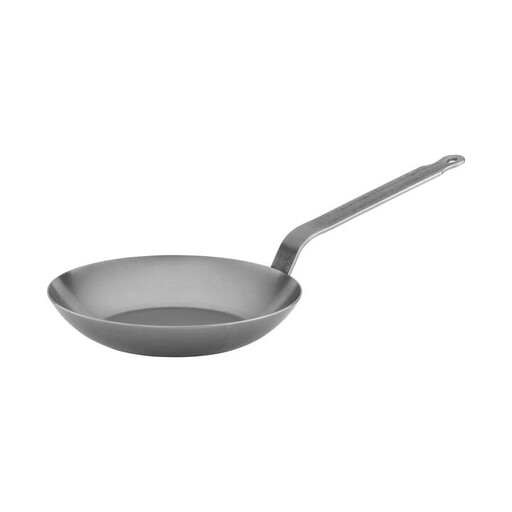
Why this product fits the profile: Carbon steel is suitable for high temperatures and searing. The 24 cm size is ideal for smaller to medium-sized portions.
The care requirements are clearly defined: seasoning, drying immediately and oiling. The pan is not intended for dishwasher use.
Carbon steel body, riveted steel handle and, according to the product information, suitable for induction, gas, ceramic hobs, oven use and open flames.

Why this product fits the profile: The two diameters cover small and medium-sized portions. The removable handle can save space when storing the pans or taking them camping.
The sizes and suitability for several hob types are specified. Hand washing is recommended for a longer service life.
Two aluminium pans, two non-stick layers, removable handle and, according to the product information, suitable for gas, induction, ceramic and electric hobs.
We have put together a complete, regularly updated list of products that fully meet these strict selection criteria and the safety regulations applicable in the EU.
You need a magnetic base for induction. Stainless steel or aluminium pans specified as suitable for induction are suitable. A pure aluminium base without an induction disc will not work reliably.
Its lifespan depends on the quality of the coating, temperature and care. Overheating an empty pan, scratches and frequent aggressive cleaning can shorten the effectiveness of the non-stick surface. Hand washing and suitable kitchen utensils are usually gentler.
A 24 cm frying pan is often suitable for smaller quantities. If you regularly fry several ingredients at the same time, a 26 cm frying pan or 28 cm frying pan offers greater flexibility. The key point is that the base should match the size of the cooking zone.