
Lieferung heute & morgen

Qualitätsgarantie

Willkommens-Angebote freischalten: KOSTENLOSE Lieferung | Bis zu 80 % RABATT | Kostenlose 30-Tage-JoyPlus-Testphase
App herunterladen
A frying pan is part of the everyday kitchen kit in many British homes. But non-stick, stainless steel, ceramic and cast-iron frying pans all differ in how well they retain heat, how much care they need and what they’re best used for. If you focus only on eye-catching claims such as ‘non-stick’ or ‘suitable for all hob types’, it’s easy to overlook important details.
A frying pan isn’t automatically suitable for induction. It needs a magnetic base, or one that’s specifically stated to be induction-compatible. Aluminium and ceramic pans therefore need an integrated induction base. The size of the contact area matters too: a small base beneath a large pan may distribute heat less evenly.
A non-stick pan makes it easier to cook eggs, fish or pancakes. However, it’s still a wear-and-tear item. Metal utensils, steel wool, overheating an empty pan and sudden temperature changes can all damage the coating. Claims such as ‘scratch-resistant’ shouldn’t be taken as permission to use sharp knives or scrub the pan vigorously.
The same applies to a ceramic frying pan: mineral coatings usually need low to medium heat and gentle kitchen utensils. A dishwasher-safe pan can go in the dishwasher, but washing it by hand may help the coating last longer.
A 24 cm pan is often a good choice for smaller portions and one-person households. For family meals, 26 to 28 cm is more practical. A deep frying pan with a lid offers more room for vegetables, casseroles or sauces. A ridged grill pan, on the other hand, is designed to create sear marks and let fat drain away, so it’s less versatile for cooking liquid-based dishes.
Aluminium heats up quickly and is relatively lightweight. That makes a coated aluminium frying pan practical for everyday use. However, the material alone doesn’t tell you whether it’s suitable for induction.
Stainless steel is particularly durable when uncoated and lets you use a range of kitchen utensils. However, a stainless steel frying pan needs careful temperature control: preheat the pan, add the oil afterwards and keep an eye on the heat. Without a coating, food may initially stick more readily.
Cast iron retains heat for a long time and is ideal for searing food. A cast-iron pan is usually heavier and needs to be dried regularly, with a layer of oil applied if necessary. Uncoated cast iron also needs seasoning and protection against rust. A small pan with a diameter of 10 cm is better suited to individual portions, sauces or side dishes than a family meal.
Before you buy, check:
The Ballarini 24 cm pan is listed as having a CeraForce ceramic coating without PTFE or PFOA. According to the product details, it’s suitable for gas, induction, ceramic, halogen and oven use up to 250 °C. The manufacturer still recommends low to medium heat, soft utensils and preferably hand washing.
A 24 cm frying pan is compact and easy to handle. A 26 cm pan gives you more cooking space without being impractical on many hobs. Pans measuring 28 to 30 cm are suitable for cooking several portions, but you’ll need enough room in your cupboard and on your hob.
A frying pan with a lid helps prevent splashes and keeps moisture in the dish. If you choose a deep pan, also check its capacity, weight and whether the handle is sturdy. If you plan to use it in the oven, check that the handle, coating and lid can all withstand the temperature.
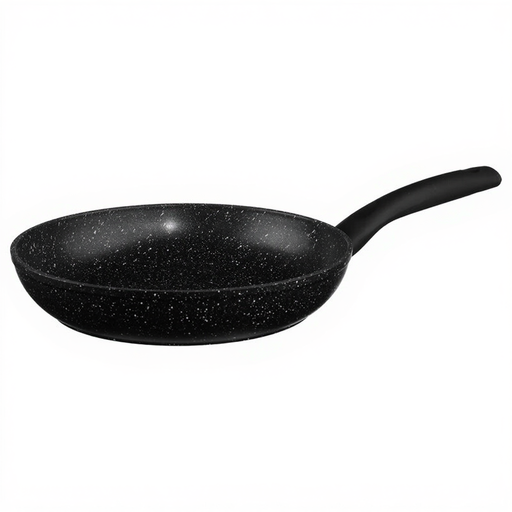
Why it suits this need: This 26 cm aluminium pan is a practical size for everyday cooking and relatively lightweight at 0.75 kg. It’s designed for frying, sautéing and baking.
The product details specify a three-layer non-stick coating and a stainless steel base. Hand washing is recommended to help it last longer, and metal utensils should be avoided.
2.2 mm forged aluminium and a 3 mm stainless steel base; ergonomic Bakelite handle.
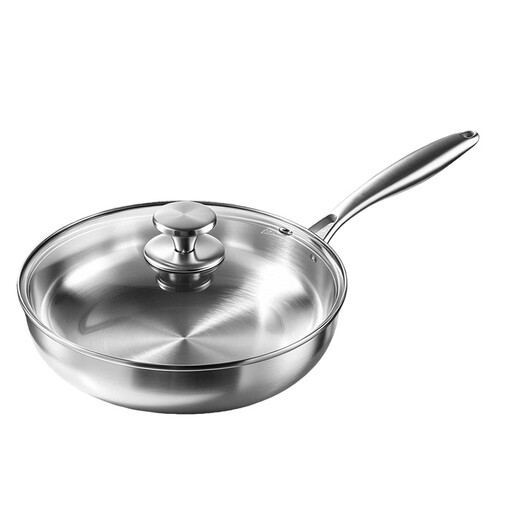
Why it suits this need: The uncoated stainless steel surface is a good choice for households looking for a sturdy design and a glass lid included as standard.
As no non-stick coating is specified, the pan isn’t marketed as having a permanent non-stick effect. Preheating and adding the oil at the right time are still important.
Tri-ply construction with 304 stainless steel and an aluminium core; suitable for induction, gas, electric, ceramic and halogen hobs; dishwasher-safe.
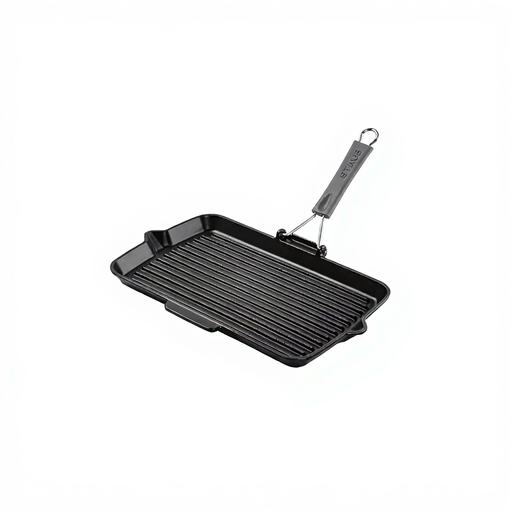
Why it suits this need: This rectangular grill pan is designed for steaks, vegetables and sear marks. It’s ideal if you want to grill with a pan that retains plenty of heat.
The ridges and pouring spout make the pan’s intended use clear. That helps prevent you from treating a grill pan as an all-purpose pan for sauces or casseroles.
Enamelled cast iron, suitable for all hob types including induction; oven- and dishwasher-safe; foldable silicone handle.
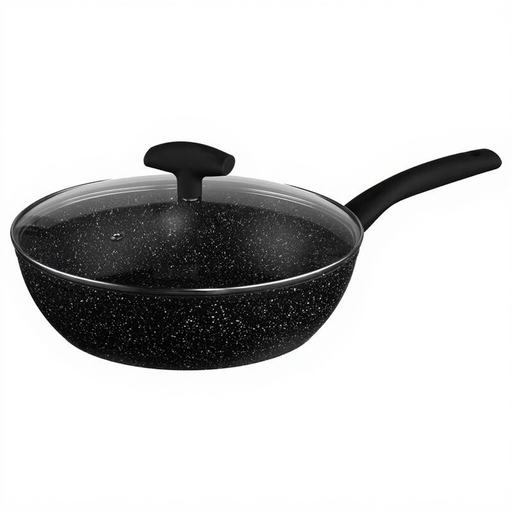
Why it suits this need: The 28 cm pan and transparent glass lid are ideal for larger portions, sauces and dishes that need to cook covered.
The integrated stainless steel induction base addresses a common concern with aluminium pans. The recommendation to hand wash takes the more delicate non-stick surface into account.
Forged aluminium body, glass lid and suitable for gas, electric, ceramic and induction hobs.
We’ve put together a complete, regularly updated list of products that meet these strict selection criteria and comply fully with the safety regulations in force in the EU.
An induction pan needs a magnetic base that the manufacturer has specifically approved for induction use. Stainless steel, cast iron and many aluminium or ceramic pans with an integrated induction base are suitable. The product description should list the other compatible hob types as well as induction.
A pan measuring 26 to 28 cm is often a practical choice for cooking several portions. A deep frying pan with a lid gives you extra room for vegetables, meat and sauces. Still, check the diameter of your hob, the pan’s weight and the storage space available.
Its lifespan depends on the heat, utensils, cleaning and storage. Scratches, overheating or harsh cleaning can reduce the effectiveness of the coating. Hand washing, medium heat and placing a protective layer between pans when stacking them can help protect the surface day to day.