
Lieferung heute & morgen

Qualitätsgarantie

Willkommens-Angebote freischalten: KOSTENLOSE Lieferung | Bis zu 80 % RABATT | Kostenlose 30-Tage-JoyPlus-Testphase
App herunterladen
A frying pan is part of the everyday kitchen kit in many British homes. Yet unclear product information can often lead to the wrong purchase: the pan may not work on an induction hob, its coating may not withstand the heat you need, or its diameter may not be large enough for several portions. So if you’re looking for a frying pan for a gas, electric, ceramic or induction hob, compare the technical specifications and care instructions before you buy.
The claim suitable for all hob types should be backed up with specific information about compatibility with induction, gas, electric and ceramic hobs. What matters is a magnetic or specially designed pan base. Some models may not be suitable for halogen or infrared hobs, so check the manufacturer’s information for your particular hob type rather than relying on a marketing slogan.
A coated frying pan makes it easier to turn delicate foods and clean up afterwards. However, many coatings shouldn’t be left empty on a high heat for too long. Metal utensils, knives and scouring pads can damage the surface. So a non-stick frying pan isn’t automatically suitable for every cooking method. For searing at high temperatures, an uncoated stainless steel frying pan may be a better choice.
A 28 cm or 32 cm frying pan is usually measured across the top rim. The actual base may be smaller, which matters for heat transfer and the size of your hob zone. A pan with a wide rim on a small hob ring may heat unevenly. Conversely, a small 24 cm frying pan offers limited space for several portions.
A stainless steel frying pan is uncoated, durable and versatile when used at the right temperature. Multi-layer designs with an aluminium core can conduct heat from the base up to the sides. According to its product specifications, the PURECOOK Tri-Ply 304 stainless steel pan has a three-layer construction with a stainless steel exterior and an aluminium core. It is listed as suitable for gas, induction, ceramic and halogen hobs, and the product description says it is dishwasher-safe.
Aluminium heats up quickly and is often used in coated models. A ceramic frying pan can offer a smooth coated surface, but usually needs gentle cleaning and suitable utensils. Check the maximum oven temperature, as the handle material and coating may limit how you can use the pan.
Before buying, check the following:
A dishwasher-safe frying pan is convenient, but regular machine washing can put more strain on coatings than hand-washing. With uncoated stainless steel, food may stick to the pan. The “hot pan, cold oil” method and starting at a medium temperature can help reduce sticking, but a coating is no substitute for controlling the temperature properly.
You should also consider the weight, handle design, side height and pouring lip. A heavy cast-iron pan retains heat for a long time, but is less easy to handle. High sides are useful for larger quantities and help reduce splashes.
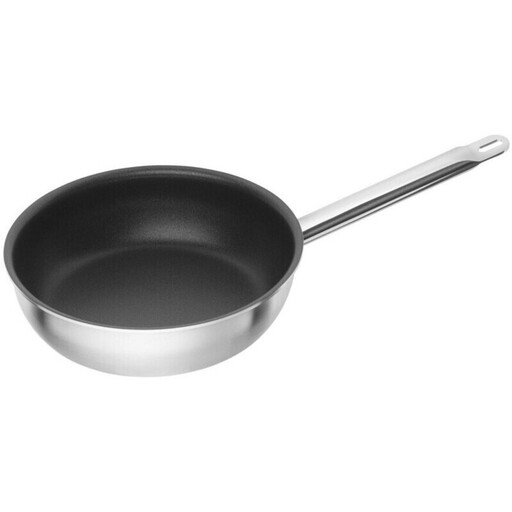
Why this product suits you: The 24 cm size is ideal for individual portions and smaller households. Its PTFE coating is designed for cooking delicate foods and, according to the product information, it is suitable for all hob types, including induction.
The specifications list the compatible hob types, an oven-safe temperature of 230 °C and a recommendation to use non-metal utensils.
24 cm diameter, SIGMA-Clad construction with an aluminium core and, according to the product information, dishwasher-safe.
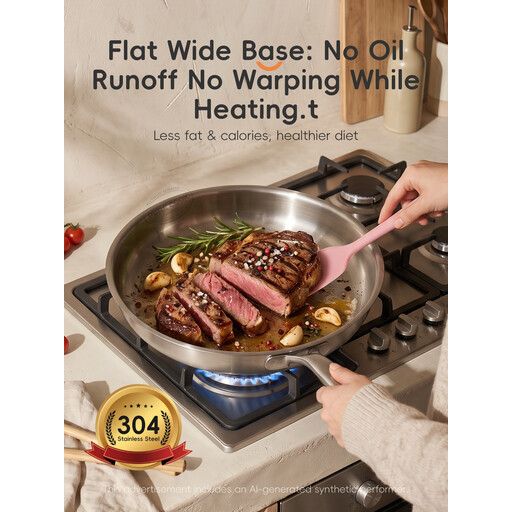
Why this product suits you: This uncoated 28 cm pan is aimed at buyers who prefer stainless steel, multi-layer construction and compatibility with a range of hob types.
As no non-stick coating is specified, suitable metal utensils won’t damage a coating. Temperature control is still important, though.
304 stainless steel with an aluminium core, 28 cm diameter and, according to the product description, compatibility with gas, induction, ceramic and halogen hobs.
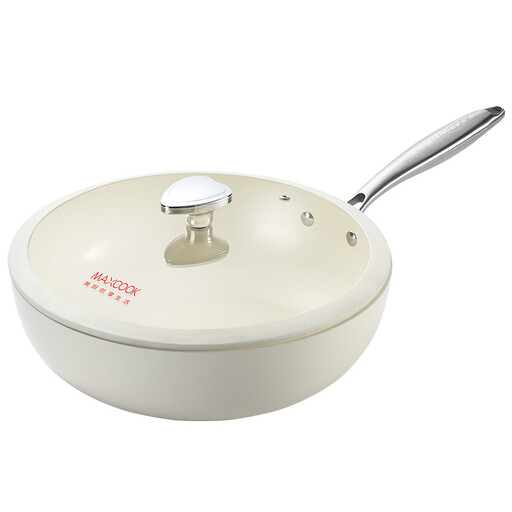
Why this product suits you: Its large diameter is designed for bigger portions and family meals. The ceramic coating is a good option if you prefer a coated surface.
Check that the pan size matches your hob zone. Use gentle utensils on the ceramic surface and follow the manufacturer’s care instructions.
32 cm diameter, die-cast aluminium and, according to the product name, a ceramic non-stick surface.

Why this product suits you: Two sizes cover everything from individual portions to larger meals. The product description lists a TransTherm universal base that is suitable for various hob types, including induction.
Having two sizes means you don’t have to use one oversized pan for every portion. Use soft cleaning utensils to care for the ceramic coating.
24 cm and 28 cm pans, stainless steel bodies and, according to the product information, a universal base suitable for all common hob types.
We’ve put together a comprehensive, regularly updated list of products that meet these strict selection criteria and the safety requirements in force across the EU.
An induction-compatible frying pan needs a base that the manufacturer has approved for induction use. Many stainless steel pans, aluminium pans with a magnetic base and multi-layer models are suitable. Always check the specific product information, as aluminium on its own isn’t automatically induction-compatible.
A 24 cm frying pan is suitable for smaller portions. A 28 cm frying pan is a versatile everyday option with room for several ingredients. A 32 cm frying pan is a good choice for larger households, but it needs a suitably large hob zone and enough storage space.
Its lifespan depends on heat, utensils, cleaning and storage. Overheating, metal utensils and abrasive cleaners can damage the coating. Hand-washing, moderate heat and dry, scratch-free storage can help protect the surface.