
Lieferung heute & morgen

Qualitätsgarantie

Willkommens-Angebote freischalten: KOSTENLOSE Lieferung | Bis zu 80 % RABATT | Kostenlose 30-Tage-JoyPlus-Testphase
App herunterladen
A frying pan needs to do more in everyday cooking than simply heat up quickly. It should release eggs easily, cook vegetables evenly, sear meat and be easy to clean after cooking. At the same time, models vary considerably in their coating, hob compatibility, weight and care requirements.
As a Joybuy Product Recommendation Officer, I filter product information according to practical buying criteria. This helps you avoid common marketing pitfalls and match models more closely to the way you cook.
A pan may be suitable for gas, electric and ceramic hobs, but not for induction. The Tefal C43604 Renew+ is one example: according to the product information, the 24 cm ceramic pan is designed for various hob types except induction.
If you use an induction hob, look specifically for a magnetic stainless steel base or the “induction suitable” designation. If the information is unclear, check the technical specifications for the exact model.
A coated frying pan may be made with PTFE, ceramic or other materials. Their properties differ when it comes to heat, cleaning and the use of kitchen utensils.
Ceramic pans are often marketed by highlighting the absence of certain substances. Such claims should be treated as manufacturer or product information and checked against the official specifications. Regardless of the material, metal turners, abrasive sponges and excessive overheating can damage the surface.
A small frying pan with a diameter of 10 to 12 cm is suitable for an egg, butter, sauces or individual side dishes. It is less suitable for several portions, however. Conversely, a large pan takes up more space and may take longer to heat up on small hobs.
An aluminium non-stick frying pan is usually lightweight and responds quickly to temperature changes. It is suitable for omelettes, fish, vegetables and foods that tend to stick. Depending on the model, it may need to be washed by hand or be labelled as a dishwasher-safe frying pan.
A ceramic pan offers a smooth surface and is often used for eggs, pancakes and vegetables. The care instructions are important: even if the manufacturer states that a model is dishwasher-safe, hand washing may help protect the coating over the long term.
A cast-iron pan retains heat for longer and is suitable for robust searing as well as use in the oven. Enameled cast iron does not require traditional seasoning, while an uncoated cast-iron pan should be dried regularly and lightly oiled. Its greater weight is part of the intended cooking experience.
A 24 cm pan is a practical middle ground for many households. It provides space for two to three portions without being excessively cumbersome on a standard hob. For a single egg or small quantities, 10 to 16 cm is more suitable.
A rectangular omelette pan makes it easier to roll tamagoyaki. The shape is useful for this particular purpose, but less versatile than a round pan.
Before buying, check the maximum temperature, oven suitability and handle material. Plastic or Bakelite handles often have lower temperature limits than metal handles. With a removable handle, check whether it needs to be removed before placing the pan in the oven.
With cast iron, weight, rust protection and resistance to acidic foods are also relevant. Uncoated cast iron should not be left wet for long and is generally not dishwasher-safe.
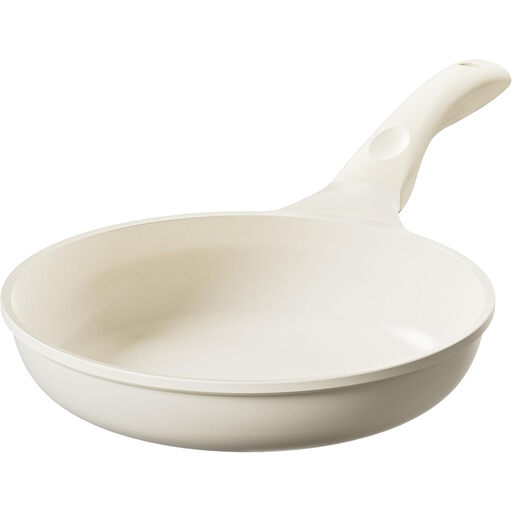
Why this product suits this profile: The 24 cm size covers many everyday dishes. According to the product information, the pan is suitable for induction, gas and electric hobs, and is dishwasher-safe.
The hob compatibility is clearly specified. For the ceramic coating, non-abrasive kitchen utensils are recommended, making the care requirements clear.
24 cm diameter, ceramic coating, induction compatibility and dishwasher-safe according to the product information.
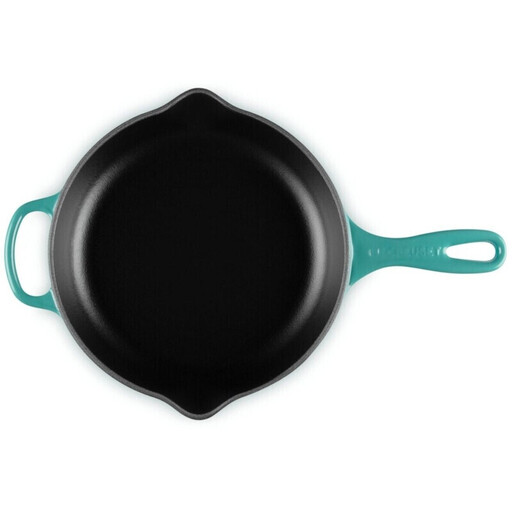
Why this product suits this profile: Enameled cast iron combines a weight of 1.93 kg with excellent heat retention. According to the product information, the pan is suitable for all hob types, including induction, and for oven use up to 350 °C.
The material is clearly specified. The care instructions recommend hand washing and avoiding abrasive cleaners and metal scouring pads.
Enameled cast iron, oven suitability up to 350 °C and use on all hob types.
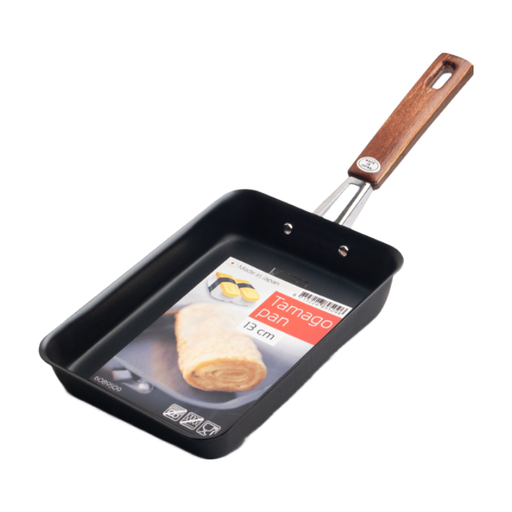
Why this product suits this profile: The rectangular iron pan is designed for Japanese rolled omelettes. At 19 × 13 cm, it remains compact and can be used specifically for tamagoyaki.
The special shape matches its intended use. As it is made from iron, seasoning, hand washing and thorough drying are all part of its care requirements.
Rectangular shape for rolled omelettes, a weight of 0.39 kg and efficient heat conduction according to the product description.
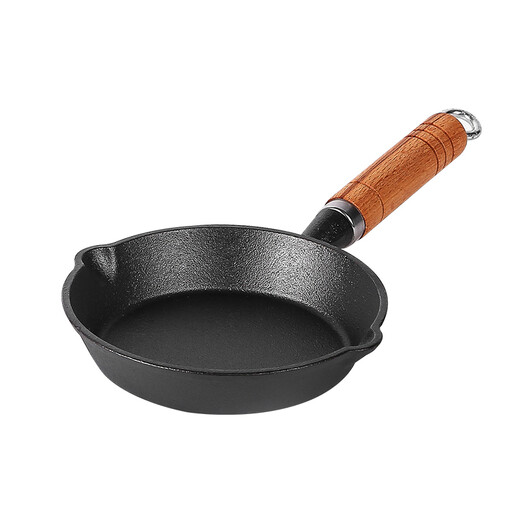
Why this product suits this profile: The compact cast-iron pan is designed for individual eggs, butter, sauces and small side dishes. According to the product information, it is suitable for gas, electric and induction hobs, as well as oven use.
The product information explicitly states that it has no chemical non-stick coating. This means seasoning, oiling and rust protection need to be factored into its care.
10 cm diameter, uncoated cast iron and compatibility with several hob types.
We have put together a complete, regularly updated list of products that fully meet these strict selection criteria and the safety regulations applicable in the EU.
An induction pan needs a magnetic base. Suitable options include models explicitly described as induction-compatible, such as certain cast-iron pans or aluminium variants with a stainless steel base. The “suitable for all hob types” claim should be checked in the technical specifications.
A 24 cm pan is suitable for many dishes and several portions. For a single egg, sauces or small side dishes, a small frying pan measuring 10 to 16 cm is sufficient. With omelettes, the shape makes the difference: a rectangular omelette pan helps with rolling, while a round pan is more versatile.
Use wooden, silicone or plastic turners, avoid heating the pan while empty and allow it to cool before cleaning. Even with a dishwasher-safe frying pan, hand washing with a soft sponge can help protect the surface. With cast iron, drying it immediately and applying a thin layer of oil are essential to prevent rust.