
Lieferung heute & morgen

Qualitätsgarantie

Willkommens-Angebote freischalten: KOSTENLOSE Lieferung | Bis zu 80 % RABATT | Kostenlose 30-Tage-JoyPlus-Testphase
App herunterladen
A frying pan should suit your hob, household size and intended use. Marketing terms such as ‘non-stick’, ‘suitable for all hob types’ or ‘dishwasher-safe’ aren’t enough to make an informed choice. What matters are clear, verifiable details about the material, coating, temperature limit, diameter and care requirements.
An induction frying pan needs a magnetic base. So, if a pan is described as ‘suitable for all hob types’, the technical product details should explicitly list induction, gas, electric or ceramic hobs. The base diameter matters too: if it’s significantly smaller than the cooking zone, the heat may not distribute evenly.
A coated frying pan can make it easier to release food, but that doesn’t automatically mean it’s dishwasher-safe or designed for very high temperatures. When choosing a non-stick frying pan, check which utensils you can use and the maximum temperature it can withstand. Metal utensils, abrasive cleaners and prolonged heating while empty can damage the surface.
The product details should also clearly state whether the coating is PTFE, ceramic or another type. Claims such as ‘healthy’ or ‘non-toxic’ aren’t a sound basis for choosing a product without specific evidence. For example, the manufacturer states that the SENSARTE model has a coating free from PFOA, PFOS, lead and cadmium. This should be understood as a statement from the manufacturer, not a medical claim.
A cast iron frying pan retains heat for a long time, but some models can weigh several kilograms. This matters when tossing food, taking the pan out of the oven and washing it. Enameled cast iron generally doesn’t need traditional seasoning, but several manufacturers still recommend gentle hand washing.
A dishwasher-safe frying pan is convenient for everyday use. However, hand washing can help extend the life of a coating or enamel finish. Always follow the care instructions provided by the manufacturer.
26 cm frying pans are handy for smaller households, side dishes or two smaller portions. 28 cm frying pans offer more room for family meals, vegetable dishes or several pieces of meat. The stated diameter often refers to the top rim, not the actual usable cooking surface.
For sauces, braised dishes and larger quantities, a braiser or sauté pan with higher sides is a practical choice. A lid helps retain heat and moisture. When choosing a pan, check whether it’s oven-safe with the lid on, and up to what temperature.
An oven-safe frying pan is suitable for use in the oven only if the entire product – including the handle and lid – is approved for the stated temperature. Use oven gloves when moving the pan from the hob to the oven, as even so-called stay-cool handles can get hot.
Things to check before you buy:
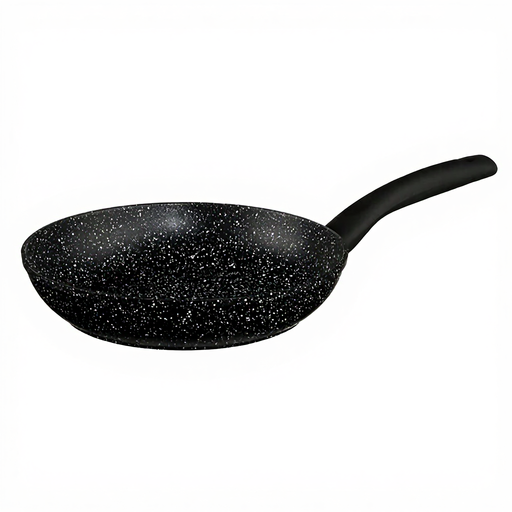
Why it suits this cooking style: The 24 cm diameter is a handy size for smaller portions, one-person households and simple everyday meals. Its aluminium construction takes up less room on the hob and in the cupboard.
Its compact size reduces the risk of buying a pan that’s too large and awkward to handle for small quantities. Check the hob compatibility details before buying.
24 cm size and forged aluminium, as stated in the product name; suitable for smaller quantities.
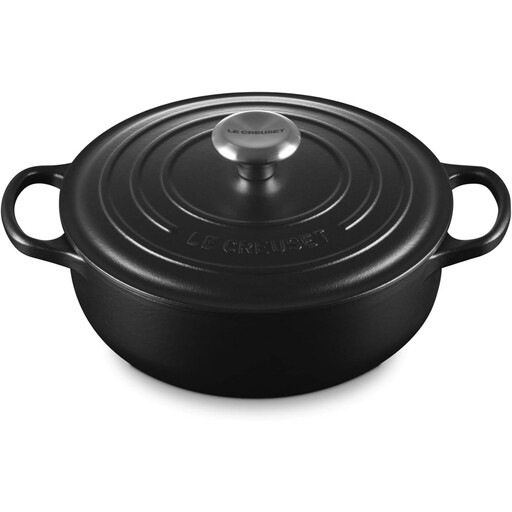
Why it suits this cooking style: This sauté pan has higher sides and a stated capacity of 3.4 litres. The product details list a lid and say that it’s suitable for use in the oven and dishwasher.
Details about the lid, capacity and temperature suitability help you avoid using a standard frying pan for braised dishes. Bear in mind that it weighs 4 kg before you buy.
3.4-litre capacity; lid, oven-safe and dishwasher-safe, according to the product details.
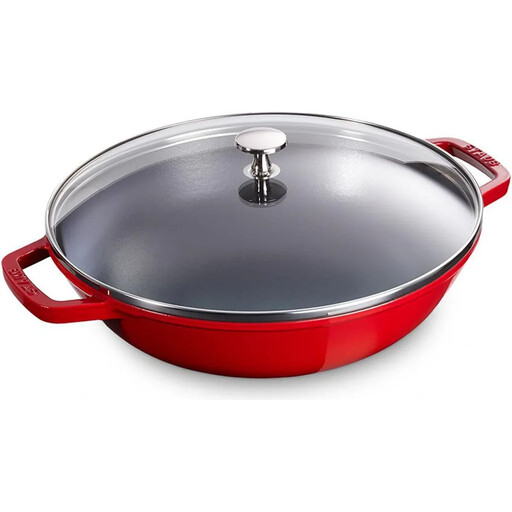
Why it suits this cooking style: With a 30 cm diameter and 4.4-litre capacity, this wok is aimed at households that often sear, braise or steam larger quantities, or cook wok dishes. The product details state that it’s induction-compatible and oven-safe.
The clearly stated diameter, capacity and hob compatibility make it easier to understand what the wok is suited to. Factor in its 4.27 kg weight and cast iron’s slower response to heat before you buy.
30 cm diameter, 4.4-litre capacity, glass lid and induction compatibility, according to the product details.
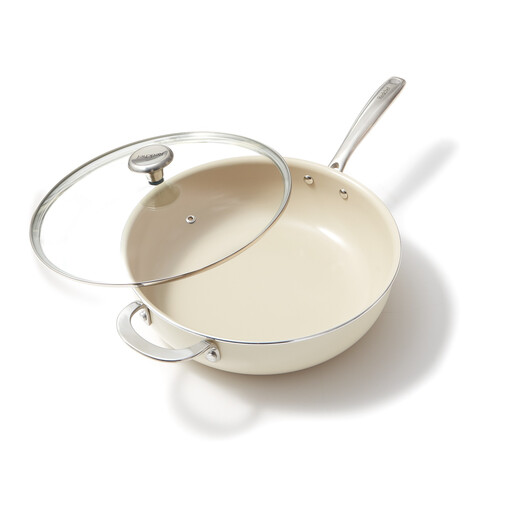
Why it suits this cooking style: Its 28 cm depth, glass lid and stated capacity of 5 quarts make it suitable for family portions and one-pan meals. According to the product details, both the pan and lid are dishwasher-safe.
The stated temperature limit of 450 °C and advice on metal utensils and abrasive cleaners make the usage limits clear. Hand washing is recommended to protect the coating, even though the pan is dishwasher-safe.
28 cm, glass lid, ceramic coating and compatibility with induction, gas and electric hobs, according to the product description.
We’ve put together a complete, regularly updated list of products that meet these strict selection criteria and fully comply with the safety regulations in force in the EU.
24 to 26 cm frying pans are often big enough for smaller portions. If you regularly cook larger quantities, vegetable dishes or several pieces of meat, a 28 cm frying pan is a more practical choice. The usable cooking surface matters too, not just the diameter of the top rim.
An induction frying pan needs a magnetic base. The product details should explicitly state that it’s suitable for induction. Compatibility varies by model, including among cast iron, stainless steel and many aluminium pans with an induction base, so you can’t determine it from the material alone.
Its lifespan depends on how you use, heat and care for it. Low to medium heat, suitable kitchen utensils and gentle cleaning help protect the coating. Replace the pan if the surface starts to peel visibly, becomes badly scratched or food keeps sticking despite correct use. Uncoated stainless steel and enameled cast iron pans can last a long time with proper care; cracks, chips or warping are clear signs that these should be replaced too.