
Lieferung heute & morgen

Qualitätsgarantie

Willkommens-Angebote freischalten: KOSTENLOSE Lieferung | Bis zu 80 % RABATT | Kostenlose 30-Tage-JoyPlus-Testphase
App herunterladen
A frying pan is a staple in most British kitchens. Yet unclear product descriptions, unsuitable sizes or unrealistic expectations about coatings can quickly lead to a bad purchase. Three common pitfalls are particularly worth noting:
If you match the material, diameter, coating and intended use before buying, you can narrow down your options considerably.
An aluminium frying pan is relatively light and responds quickly to changes in hob power. This makes it practical for pancakes, eggs, vegetables or everyday searing. Models with an additional stainless steel base can also be suitable for induction.
A cast iron frying pan stores heat for longer. This supports vigorous searing and slow cooking, but comes with a higher weight. Uncoated cast iron often needs to be seasoned before first use and must be thoroughly dried and lightly oiled after washing.
With a grill pan, the ridges are also important. They create contact lines with the food and allow liquid or fat to drain into the gaps. However, the ridges can make cleaning more time-consuming than with a smooth frying surface.
The right size depends not only on the number of people you cook for, but also on your hob and storage space:
A larger diameter does not automatically mean a larger usable area. High sides can increase capacity, while a wide, shallow shape makes it easier to turn and spread ingredients.
A non-stick frying pan makes cooking with less oil easier. The models featured here include, among others, double-layer coatings. Even so, you should follow the manufacturer’s instructions: wooden or silicone utensils protect the surface, and hand washing with a soft sponge is often gentler on the material than the dishwasher.
For a pan suitable for all hob types, you should check the specifications for gas, electric, ceramic, halogen and induction individually. Oven suitability is also not guaranteed. Handles made of Bakelite or wood may have a lower temperature limit than the pan body. With cast iron models, the handles will get hot during cooking.
The following recommendations match specific products to everyday situations and verifiable product data. Details on diameter, material, capacity and care come from the respective product information.
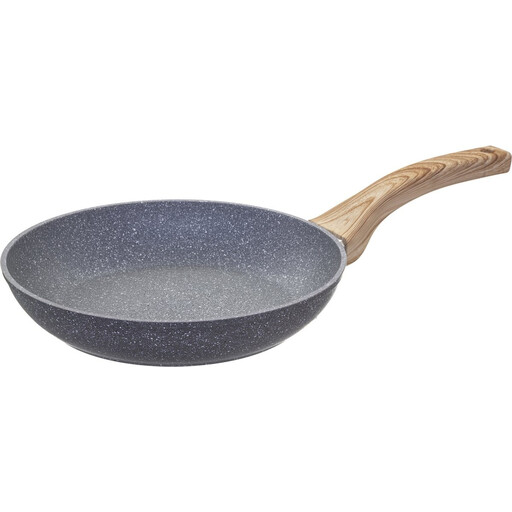
Why this product fits the profile: This aluminium pan combines a weight of 800 g with a 26 cm diameter and a 2-litre capacity. According to the product information, it is suitable for gas, electric, ceramic and induction hobs.
The hob compatibility is clearly stated. Two non-stick layers make cleaning easier; hand washing is recommended to protect the surface.
26 cm format, 2-litre capacity, aluminium body and stainless steel induction base.
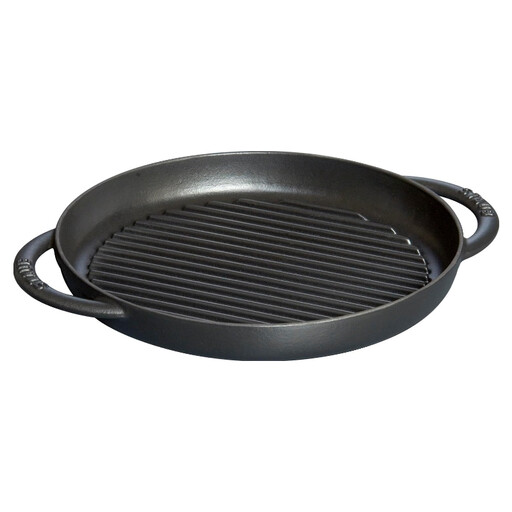
Why this product fits the profile: This enamelled cast iron grill pan has two handles, weighs 2.7 kg and features a grill structure. According to the product information, it is suitable for all hob types including induction, as well as for the oven.
The enamelled surface does not require seasoning like uncoated cast iron. However, due to the grill ridges and material thickness, hand washing is still recommended.
Enamelled cast iron, two handles, 26 cm diameter and stated oven suitability.
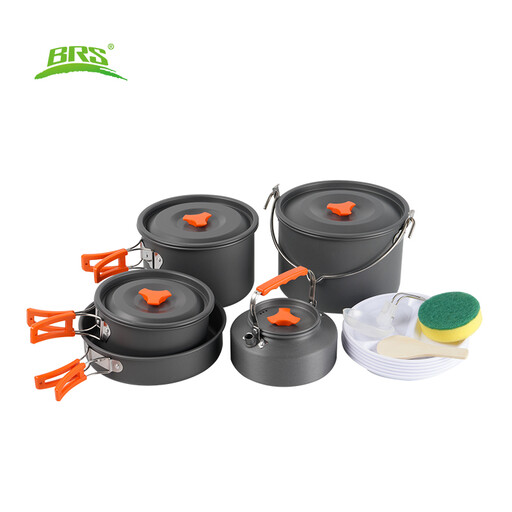
Why this product fits the profile: This camping cookware set made from specially treated aluminium includes several pots, a 1.3-litre pan and a 1.1-litre canteen. The components nest together to save space.
Instead of combining several individual items of different sizes, the set offers coordinated components for frying, boiling and stewing. The handles get hot during use.
Multiple cooking vessels, nestable design, aluminium construction and suitable for camping, travel and picnics.
We have put together a complete, regularly updated list of products that fully meet these strict selection criteria and the safety regulations in force in the EU.
The lifespan of a frying pan depends heavily on the material and how you care for it:
An induction frying pan needs a magnetic base or one that is explicitly stated as induction-compatible. Aluminium alone is not sufficient. The product specifications should therefore clearly mention “induction” or “all hob types including induction”.
For two people, 24 to 26 cm is often sufficient. If you want to fry several ingredients at the same time, you can choose a large frying pan of around 28 to 31 cm. The hob should heat the base as evenly as possible.
Uncoated cast iron requires more care than a coated aluminium pan. It should not be left in water for long, must be dried thoroughly and should be lightly oiled to prevent rust. Enamelled cast iron is less demanding in this respect, but should still be cleaned gently to protect the material.