
Lieferung heute & morgen

Qualitätsgarantie

Willkommens-Angebote freischalten: KOSTENLOSE Lieferung | Bis zu 80 % RABATT | Kostenlose 30-Tage-JoyPlus-Testphase
App herunterladen
A frying pan needs to do more than brown food in everyday use. It should suit your hob, withstand the temperatures you need and be easy to clean. At the same time, terms such as ‘non-stick’, ‘granite’ or ‘suitable for all hob types’ don’t automatically mean you’ve found the right pan.
Three common pitfalls often end up costing buyers money:
If you’re looking for a pan for induction, read the product description carefully. The term ‘suitable for all hob types’ is only meaningful if it specifically lists gas, electric, ceramic and induction hobs. For an induction hob, the base must be magnetic and sit flat on the surface.
Traditional iron and cast iron pans are also suitable for gas hobs. On ceramic hobs, the underside should be clean and as smooth as possible to avoid scratching the glass surface. If you’re unsure, check the technical specifications for the model you’re considering.
An aluminium frying pan is usually lighter than a cast iron pan and heats up relatively quickly and evenly. This makes it a good choice for eggs, vegetables, pancakes and everyday frying. A non-stick pan with a coated surface makes it easier to turn delicate foods. Wooden, silicone or plastic utensils are better suited to the job than metal ones.
A cast iron pan retains heat for longer, making it a good option for searing or slow cooking. Uncoated cast iron does need looking after: dry it thoroughly after cleaning and often apply a light coat of oil. An enamelled cast iron pan is easier to care for, but is still relatively heavy.
An oven-safe pan isn’t automatically suitable for every temperature. Check the stated maximum temperature and the handle material. Plastic or Bakelite handles may limit how you can use the pan in the oven.
Even if a pan is dishwasher-safe, hand-washing it with a soft sponge is often best. Product information may specify that models with wooden handles or delicate coatings are suitable for hand-washing only. Before using any pan for the first time, wash it with warm water and mild washing-up liquid.
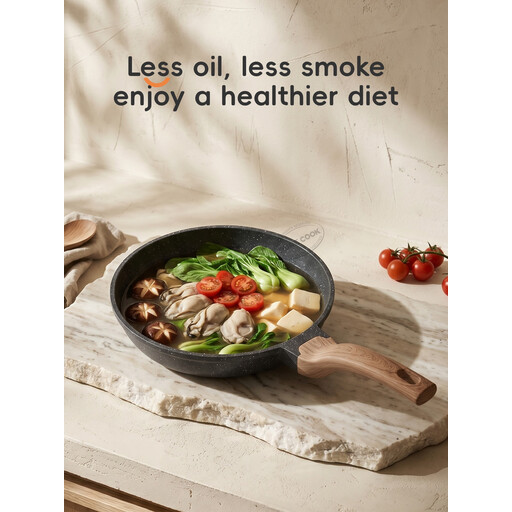
Why this product suits this cooking profile: The 24 cm size is ideal for smaller households and everyday portions. According to the product information, the pan is suitable for induction, gas and ceramic hobs.
The product description clearly lists the compatible hob types and advises hand-washing and taking care with the coating.
Aluminium body, 24 cm diameter and wooden handle; according to the product information, the surface is designed for low-fat cooking.
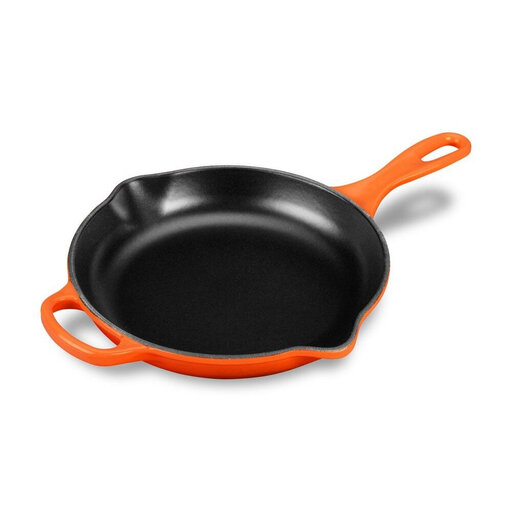
Why this product suits this cooking profile: This enamelled cast iron pan is suitable for all hob types, including induction, as well as for use in the oven. Its weight of 1.93 kg is worth bearing in mind when choosing a pan.
The product details clearly state the diameter, weight, compatible hob types, oven suitability and cleaning instructions. The enamel makes it easier to care for than uncoated cast iron.
Enamelled cast iron, oven-safe and, according to the product information, dishwasher-safe; hand-washing is recommended to keep it in good condition.
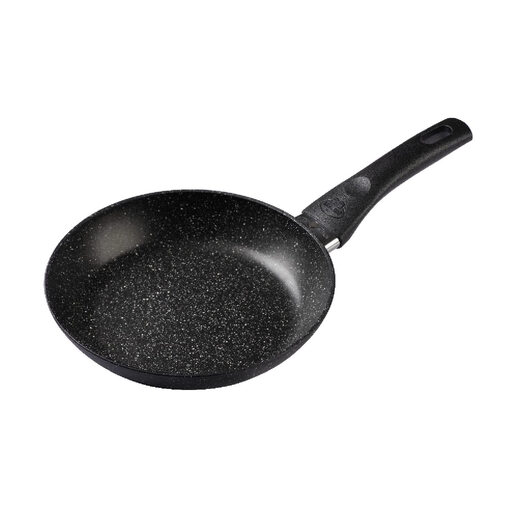
Why this product suits this cooking profile: The 28 cm cooking surface is suitable for family portions and regular frying. According to the product information, the pan works on gas, electric, ceramic and induction hobs.
The maximum oven temperature of 160 °C and care instructions are clearly stated. This makes it easier to choose a pan that suits how you plan to use it.
28 cm diameter, four-layer Nerolite coating, THERMOTION indicator and, according to the product information, suitable for the oven and dishwasher.
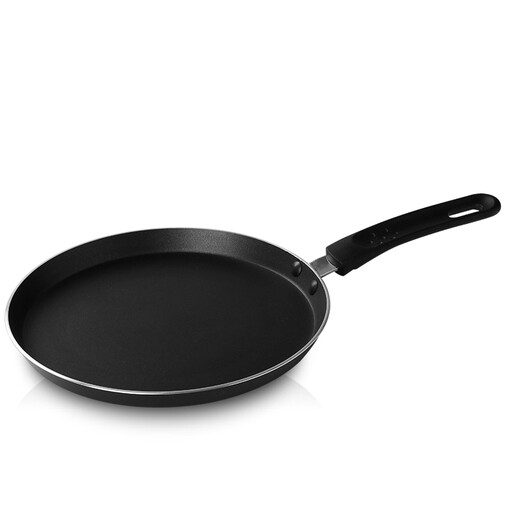
Why this product suits this cooking profile: Its shallow shape is designed for crêpes, pancakes and similar dishes. According to the product information, this model is PFOA-free and suitable for induction.
Its specialised design means a high-sided pan won’t get in the way when you’re turning thin batter. Even so, check the care and hob instructions before buying.
24 cm diameter, shallow crêpe-pan design and, according to the product name, suitable for induction hobs.
We’ve put together a complete, regularly updated list of products that meet these strict selection criteria and fully comply with the safety regulations in force in the EU.
A pan for induction needs a magnetic base that sits flat on the hob. Suitable options include aluminium models with a stainless steel base that are specifically labelled as induction-compatible, as well as iron and cast iron pans. Always check the manufacturer’s information before buying.
It depends on the model. Some pans are listed as dishwasher-safe, while others are suitable for hand-washing only. Even with a dishwasher-safe pan, hand-washing with a mild detergent can be gentler on the coating and handle.
A 24 cm pan is generally suitable for one or two smaller portions, eggs or crêpes. A 28 cm pan gives you more room for family portions, vegetables or several pieces of meat. Also measure your cooking zone and check that the pan will fit in your drawer or cupboard.