
Lieferung heute & morgen

Qualitätsgarantie
App herunterladen
Kategorien
A full-face helmet offers the most comprehensive form of protection for motorcyclists by design. The fixed chin bar and closed-face construction provide a high degree of passive safety. An integrated motorcycle helmet with a sun visor adds a crucial layer of comfort and safety: anti-glare protection in changing light conditions. This eliminates the need to carry a separate pair of sunglasses and enables a quick reaction to sudden changes in brightness. When choosing such a helmet, technical specifications and compliance with the latest safety standards, such as ECE 22.06, are decisive criteria.
The decision to purchase a motorcycle helmet should be based on an analysis of objective features. The following parameters are relevant for assessing functionality and safety.
The European testing standard ECE R 22.06 is the current benchmark for motorcycle helmets. Compared to the previous 22.05 standard, the testing procedures have been significantly tightened:
A helmet certified under the ECE 22.06 motorcycle helmet standard therefore meets current European safety requirements.
The outer shell is the first line of defence in an impact. Common materials include:
The integrated sun visor should be easy to operate, even while wearing gloves. Key aspects include:
A helmet only provides optimal protection when it fits correctly. Head circumference, measured at the widest point above the eyebrows, is the primary metric for size selection. Additional comfort features include:
Based on the technical criteria above, we present a model that meets the demands of a modern full-face helmet for riders who prioritise both safety and value.
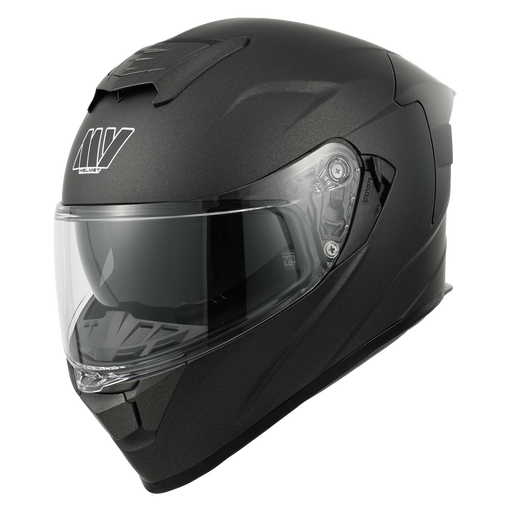
[€20 OFF with coupon] MY Protective Riding Helmet with Integrated Sun Shield, ECE 22.06 Approved Street Motorbike Gear for Adult Riders (Model 936 Series) - Matt Titanium - Size: XL
Why we recommend this product: This model combines ECE 22.06 certified protection with practical comfort features. The ABS outer shell provides a robust structure, while the shock-absorbing EPS (Expanded Polystyrene) inner shell is responsible for energy absorption. The integrated sun visor and removable liner make this helmet a functional companion for daily commutes and longer tours.
Advantages:
Who it's for: This adult helmet is an excellent choice for beginners, commuters, and touring riders looking for a certified and feature-rich men's and women's full-face helmet at an accessible price point.
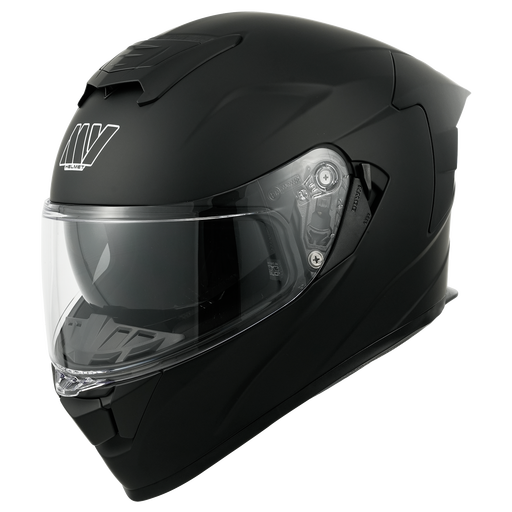
[€20 OFF with coupon] MY Protective Riding Helmet with Integrated Sun Shield, ECE 22.06 Approved Street Motorbike Gear for Adult Riders (Model 936 Series) - Matte Black - Size: XXL
Why we recommend this product: The MY 936 helmet in the matte black motorcycle helmet finish offers the same technical specifications and safety features as the Matt Titanium version. The matte paint gives the helmet a subtle and modern look. Its availability in various sizes, including XXL, ensures that a wide range of riders can find a proper fit.
Advantages:
Who it's for: Riders who prefer a helmet with understated aesthetics and value compliance with the latest safety standards, as well as practical everyday features.
If the model presented does not exactly meet your requirements, or if you are interested in other helmet types such as modular or open-face helmets, you can find a wider selection in our Motorcycle Model category.
1. What is the advantage of a full-face helmet with a sun visor? The main advantage is the combination of safety and convenience. The integrated sun visor can be quickly lowered when needed, protecting against sudden sun glare. This enhances riding safety, as your hands can remain on the handlebars and there is no need to switch to sunglasses.
2. Is the ECE 22.06 standard mandatory for motorcycle helmets? Since January 2024, manufacturers are only permitted to produce and place helmets on the EU market that are certified to ECE 22.06 (or the FIM racing standard). The sale of existing stock with the older 22.05 certification is still allowed for a transitional period. While wearing a 22.05 helmet is still permitted, the 22.06 standard represents the current state of safety technology.
3. How do I find the right helmet size? Measure your head circumference at its widest point, about one centimetre above your eyebrows and ears, using a flexible measuring tape. Compare the measured value (in cm) with the manufacturer's size chart. A new helmet should fit snugly and not shift when you move your head, but it should not create any pressure points. The inner padding will compress slightly over time.