
Lieferung heute & morgen

Qualitätsgarantie

Willkommens-Angebote freischalten: KOSTENLOSE Lieferung | Bis zu 80 % RABATT | Kostenlose 30-Tage-JoyPlus-Testphase
App herunterladen
Choosing the right motorcycle helmet is one of the most important decisions you can make for your safety and riding comfort. A full-face helmet with a sun visor offers a practical combination of comprehensive protection and adaptability to changing light conditions. But the market is crowded, and not every product delivers on its promises. Many riders invest in helmets that either meet outdated safety standards or disappoint with impractical details in daily use.
This guide will help you avoid common purchasing pitfalls. We focus on the objective criteria that define a good helmet, so you can make an informed decision based on facts, not marketing hype.
When searching for the right helmet, two common misconceptions often lead to an unsatisfactory purchase:
To avoid a bad purchase, you should focus your attention on three core aspects. These parameters define the quality, safety, and durability of a helmet.
The ECE 22.06 standard is the current European benchmark for motorcycle helmets and a crucial indicator of a safe motorcycle helmet. Compared to its predecessor, 22.05, the testing procedure includes significantly stricter requirements:
A helmet with this certification offers a demonstrably higher level of protection.
A helmet's outer shell is the first line of defence. Materials like Acrylonitrile Butadiene Styrene (ABS), as used in the MY 936 helmet, offer a good balance of strength and weight. Inside, an EPS (Expanded Polystyrene) inner shell provides the actual shock absorption.
The fit is just as critical. A helmet must sit snugly without creating pressure points. It should not shift during quick head movements. Models for men's full-face helmets and women's full-face helmets often differ less in shape than in the available sizes. A removable and washable inner lining is also an important feature for hygiene and long-lasting comfort.
A motorcycle helmet with an integrated sun visor is more than just practical; it's an active safety feature. In the event of sudden glare, such as when exiting a tunnel, it allows for quick vision adjustment without taking your hands off the handlebars. Look for a smooth mechanism that is easy to operate even with gloves. The visor should fully cover the field of vision without causing distortion.
Based on the objective criteria mentioned, we have identified several models suitable for different types of riders.
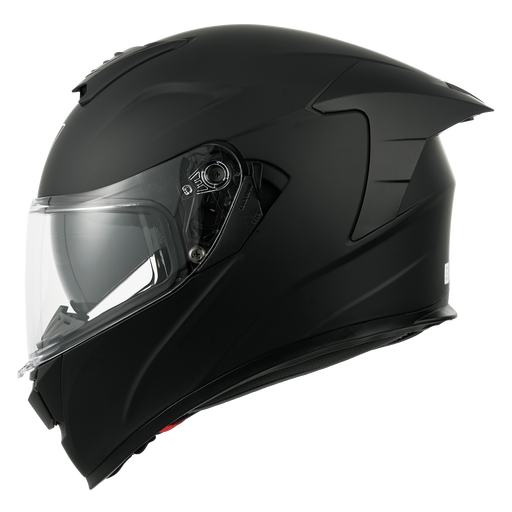
Why this model is a good fit: It offers the latest ECE 22.06 safety certification and practical comfort features at an accessible price. Ideal for riders who are new to motorcycling and don't want to compromise on fundamental safety.
This model bypasses the trap of buying an outdated model. It provides the modern ECE 22.06 standard and an integrated sun visor, which is often missing from many entry-level helmets.
A combination of the latest safety standard and practical comfort features, offering excellent value for money.
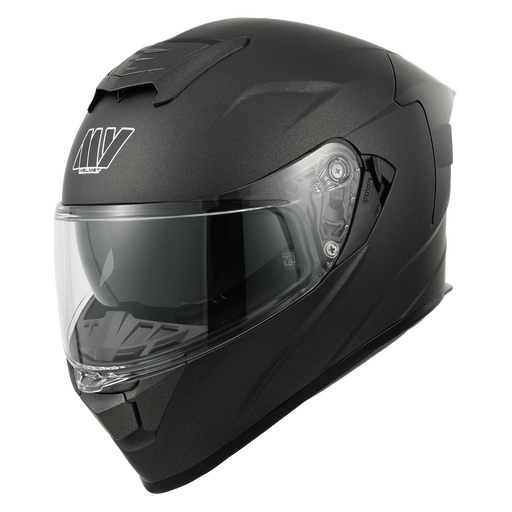
Why this model is a good fit: Ideal for commuters and tourers who are frequently exposed to changing light conditions. The washable lining and easy-to-operate sun visor are crucial comfort factors for daily use.
The skin-friendly, washable inner lining addresses the often-overlooked comfort issue of frequent use. The sun visor eliminates the need to carry a second visor.
High long-distance comfort thanks to an easy-care inner lining and flexible, rapid adjustment to visibility conditions.
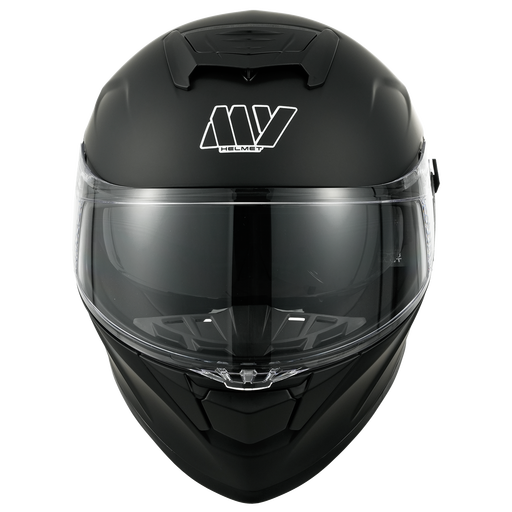
Why this model is a good fit: This model, in the popular matte black finish, combines modern aesthetics with uncompromised safety and functionality. It's the right choice for anyone who values a cohesive overall look.
It proves that a stylish design doesn't have to come at the expense of safety (ECE 22.06) or practicality (integrated sun visor), thus refuting the second common purchasing mistake.
A modern, matte look combined with certified safety according to the latest standard and thoughtful, practical details.
We have compiled a complete, up-to-date list of products that fully meet these strict selection criteria and safety regulations.
Measure the circumference of your head with a tape measure at its widest point, about one centimetre above your eyebrows and ears. Compare this measurement with the manufacturer's size chart. For example, with the MY 936 helmets, a size L corresponds to a circumference of 59-60 cm. The helmet should fit snugly without causing uncomfortable pressure points and should not move when you shake your head.
ECE 22.06 is the latest and strictest European testing standard for motorcycle helmets. It ensures that a helmet has undergone comprehensive tests that better simulate real-world accident scenarios. These include impact tests at various speeds, tests to measure rotational forces, and stricter testing of visors and sun visors. A helmet with this standard offers an objectively higher level of safety.
For helmets with a removable inner lining, like the MY 936 helmet, you can take out the pads and clean them according to the manufacturer's instructions. A gentle hand wash with mild soap is usually recommended. Then, let the pads air dry completely before reinserting them. Regular cleaning ensures hygiene and maintains comfort.