
Lieferung heute & morgen

Qualitätsgarantie

Willkommens-Angebote freischalten: KOSTENLOSE Lieferung | Bis zu 80 % RABATT | Kostenlose 30-Tage-JoyPlus-Testphase
App herunterladen
A fully automatic coffee machine can prepare espresso, coffee and milk-based drinks straight from whole beans. However, when buying a fully automatic coffee machine, the number of drinks and a high bar rating are not the only factors that matter. The key is whether the machine suits your available space, your consumption and how much time you are willing to spend on cleaning.
A long recipe list may look appealing. In practice, many households regularly use only espresso, coffee, cappuccino and hot water. So check whether the selection of drinks suits your habits and whether you can adjust the strength, water volume and milk quantity. A one-touch function is particularly convenient when several people often choose different drinks.
A fully automatic coffee machine with a milk system requires more care than a model designed for black coffee. Milk tubes, containers and spouts need to be rinsed after use. Automatic cleaning programmes reduce the amount of manual work, but they do not replace regular emptying, rinsing and descaling in accordance with the manufacturer's instructions.
In addition to width, height and depth, you need space to remove the water tank, coffee-grounds container and brewing unit. The height of the appliance can also be important beneath a wall cabinet. A compact fully automatic coffee machine measuring 19 to 24 centimetres wide will often fit better in small kitchens, but it usually has smaller containers.
A fully automatic coffee machine with a grinder grinds the beans immediately before brewing. Pay attention to:
A rating of 15 or 19 bar describes the maximum pump pressure. It is not, on its own, proof of quality or flavour. A suitable grind setting, the dose, brewing temperature and the beans used are more important.
A 1.2-litre water tank may be enough for one person. Families or households that prepare several milk-based drinks will often benefit from a capacity of 1.8 to 2.3 litres. Bear in mind that rinsing cycles also use additional water. A removable tank makes filling and cleaning easier.
The coffee-grounds container should also be easy to access. If several people drink coffee every day, a larger capacity is practical, so you do not have to empty the container several times a day.
Look for a removable brewing unit, a removable milk container and dishwasher-safe parts, provided the manufacturer expressly states that they are suitable for dishwasher cleaning. Useful features include automatic programmes for:
The water hardness can be programmed on many machines. In regions with hard water, a water filter can affect the maintenance schedule, but it does not replace descaling in accordance with the operating instructions.

Why this product suits this profile: Seven preselectable drinks, a 1.8-litre water tank and symbol-based controls cover the typical needs of a household. The machine can prepare two espressos at the same time.
The manageable selection of recipes avoids unnecessary complexity. The LatteCrema system features automatic cleaning after use, while removable parts make maintenance easier.
250-g bean container, 13 grind settings and programmable drink parameters.
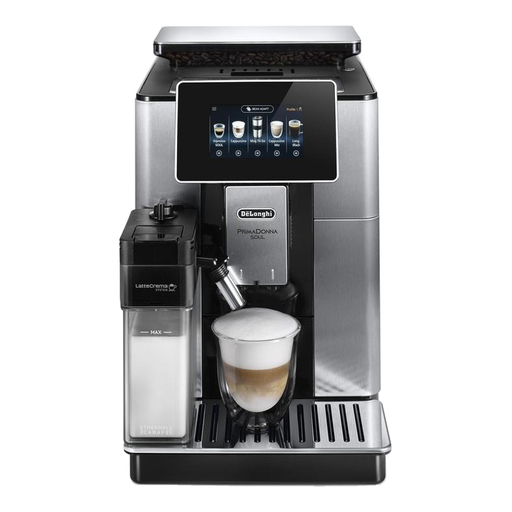
Why this product suits this profile: For households with several users, this model offers 21 preset recipes, five user profiles and app control for personalised adjustments.
Automatic cleaning of the milk system and a removable brewing module address the often-underestimated maintenance requirements. The controls display the available recipes clearly.
2.2-litre water tank, 500-g bean container, 13 grind settings and a 4.3-inch touchscreen.
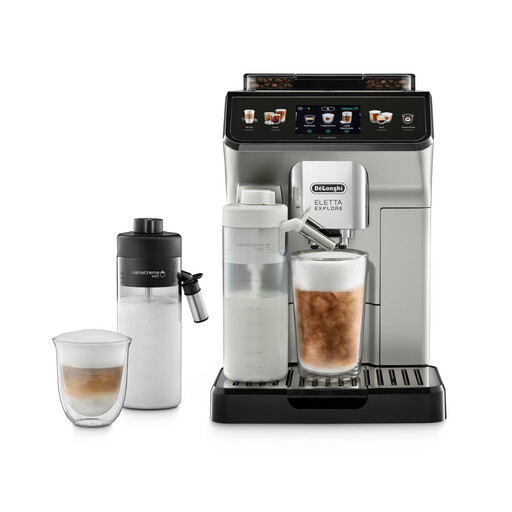
Why this product suits this profile: If you regularly prepare a variety of hot and cold drinks, you get 40 recipes as well as LatteCrema Hot and Cool. The to-go system supports cups up to 16 centimetres high.
The extensive selection remains easy to navigate thanks to the 3.5-inch touchscreen. Automatic rinsing, cleaning and descaling programmes make regular maintenance easier.
1.8-litre water tank, 300-g bean container and two removable milk containers for hot and cold drinks respectively.
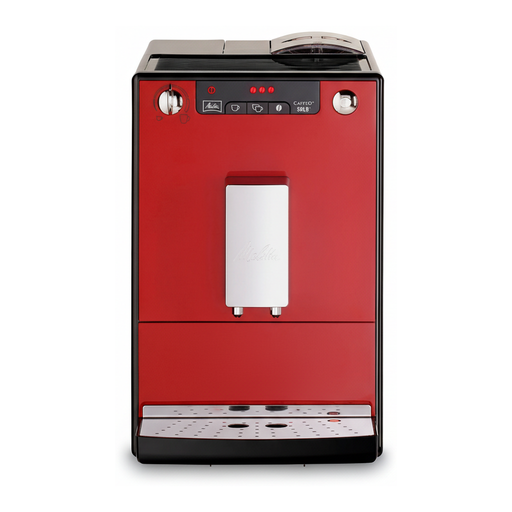
Why this product suits this profile: At around 20 centimetres wide, this machine is suitable for limited worktop space. It focuses on espresso and café crème rather than offering an extensive selection of milk-based drinks.
The slim design is combined with a removable water tank, removable brewing unit and automatic cleaning and descaling programmes.
1.2-litre water tank, three coffee-strength settings, height-adjustable spout up to 135 millimetres and 0-watt switch.
We have put together a complete, regularly updated list of products that fully meet these strict selection criteria and the safety regulations applicable in the EU.
Ongoing costs include beans, water, filters, descaler and, where applicable, cleaning tablets. A fully automatic coffee machine with a milk system requires more maintenance because of the additional rinsing cycles than a machine designed for espresso and café crème. Hard water may mean that descaling is required more frequently.
A larger tank and spacious bean container are practical for families. Working people often value short heating-up times, direct-selection buttons and saved profiles. Before buying, you should also check that the socket is suitable for 220 to 240 volts and that the machine is placed on a stable, dry surface with sufficient ventilation.
Its lifespan depends on usage, water quality and maintenance. Regular rinsing, descaling and cleaning in accordance with the operating instructions can help maintain functionality. Wear parts such as seals, the grinder and milk tubes may need to be replaced sooner depending on how often the machine is used.
That depends on your consumption. For just a few cups a day, a compact model with a 1.2-litre tank may be sufficient. If both people regularly drink coffee or milk-based drinks, the ability to prepare two cups at once, a larger tank and personal profiles are useful.
This can only be compared by considering the price of the beans, portion size, maintenance and the cost of buying the machine. Whole beans offer more choice when it comes to varieties; capsules are pre-portioned, but they create ongoing packaging costs. The decisive factor is your household's actual consumption.