
Lieferung heute & morgen

Qualitätsgarantie

Willkommens-Angebote freischalten: KOSTENLOSE Lieferung | Bis zu 80 % RABATT | Kostenlose 30-Tage-JoyPlus-Testphase
App herunterladen
A fully automatic coffee machine is designed to prepare freshly ground coffee, espresso and milk-based drinks without lots of separate steps. In practice, however, models vary considerably in terms of their grinders, controls, capacity and maintenance. Focusing only on the number of drinks or a modern display can mean overlooking important ongoing costs and space requirements.
A fully automatic coffee machine with 20 or more recipes can be appealing to families and house shares. What matters, however, is whether your preferred drinks can be selected directly and whether coffee strength, water volume and milk volume can be saved. If cappuccinos and latte macchiatos require several manual steps, the machine is less convenient than a genuine one-touch fully automatic coffee machine.
Automatic rinsing, cleaning and descaling programmes reduce the effort involved, but do not make daily cleaning unnecessary. Parts that come into contact with milk should be rinsed after use in accordance with the manufacturer’s instructions. The drip tray and coffee-grounds container also require regular attention. A fully automatic coffee machine with automatic cleaning is therefore practical, but not maintenance-free.
A large bean hopper and water tank mean less frequent refilling. However, storing beans in the hopper for a long time can be impractical in a small household. Larger machines also often require more depth and height. Before buying, check the available worktop space, the clearance beneath wall cupboards and how easily the water tank and brewing unit can be accessed.
A coffee machine with an integrated grinder processes the beans immediately before brewing. Look out for:
The specification ‘15 bar’ or ‘19 bar’ refers to the pump’s maximum pressure. On its own, it is not a reliable indicator of flavour quality. A suitable grind setting, the dose and temperature control are more important.
A fully automatic coffee machine with a milk system can prepare drinks such as cappuccinos and latte macchiatos directly. Different solutions are available:
Check whether the milk components can be removed and, where applicable, washed in the dishwasher. This is particularly important for households that consume milk-based drinks frequently.
A removable brewing unit makes manual internal cleaning easier. A water filter, programmable water hardness and automatic descaling are also useful features. Follow the manufacturer’s instructions, as filters and descaling products can create ongoing costs.
The dimensions also matter: some compact machines are only around 20 to 24 centimetres wide, while models with large containers or milk carafes require more depth. A height-adjustable spout makes it easier to use different cups and glasses.
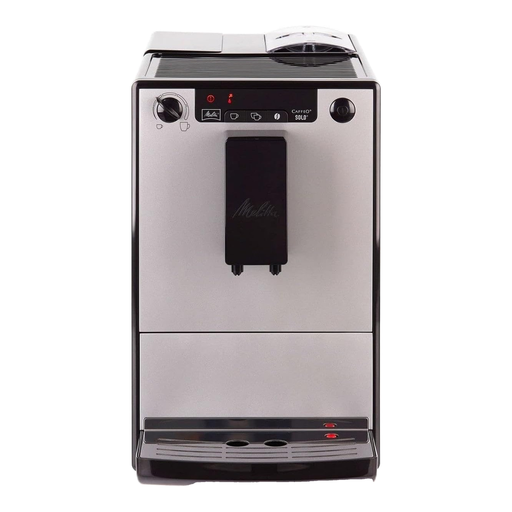
Why this product suits this profile: This compact model focuses on espresso and coffee, making it suitable for households that do not need an integrated milk system.
The feature set is straightforward, so you do not pay for or have to maintain unnecessary speciality programmes or a large milk circuit.
1.2-litre water tank, three coffee strength settings, height-adjustable spout and removable brewing unit.
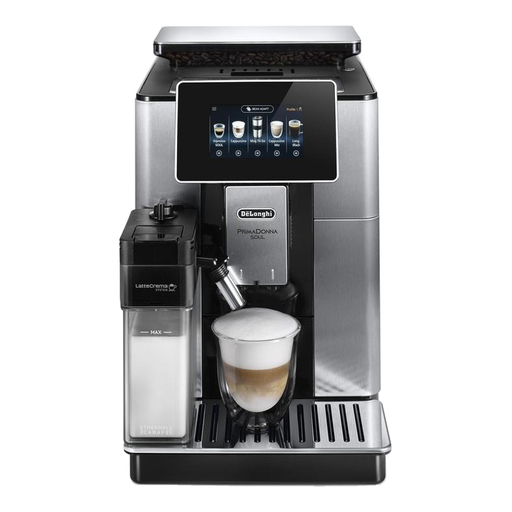
Why this product suits this profile: Users with a wide range of personal preferences get an extensive choice of drinks, multiple profiles and control via the touchscreen or app.
The extensive feature set is backed up by precise adjustment options: 13 grind settings, five coffee strength settings and saveable user profiles.
21 preset recipes, 2.2-litre water tank, 500-gram bean hopper, LatteCrema milk system and Coffee-Link app.
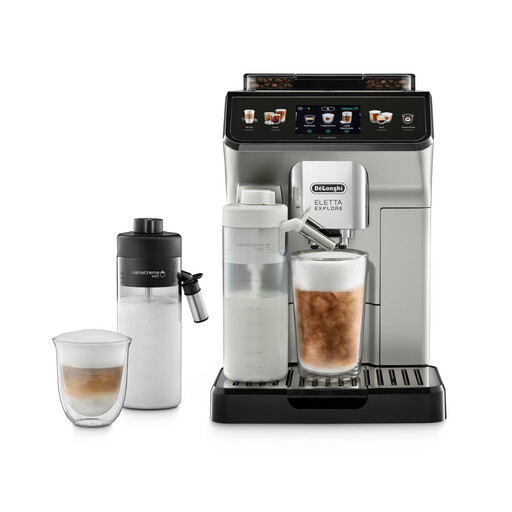
Why this product suits this profile: For households with frequently changing preferences, this model offers hot and cold milk-based drinks as well as a to-go function.
The drink functions are clearly separated by use case. This makes it easier to check whether the additional milk carafes and programmes are genuinely suitable for your household.
Up to 40 recipes, 1.8-litre water tank, 300-gram bean hopper, 3.5-inch touchscreen and automatic cleaning programmes.
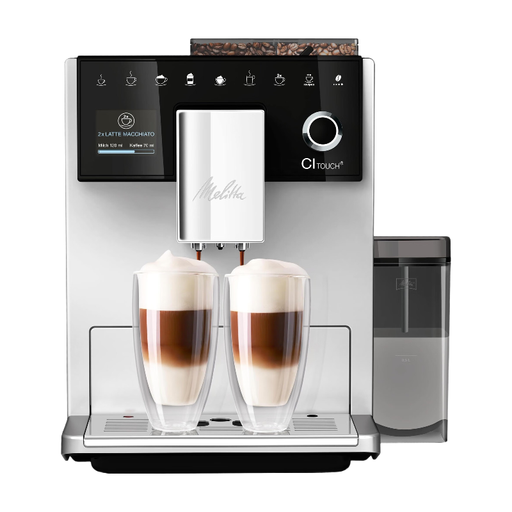
Why this product suits this profile: Two people can use different beans and personal settings, while the two-compartment bean hopper makes this especially practical.
The separate bean compartments mean you do not have to empty the entire hopper for every cup. Cleaning and descaling programmes are also integrated.
10 recipes, five grind settings, four saveable user profiles, 1.8-litre water tank and two-cup function for preparing two drinks.
We have put together a complete, regularly updated list of products that fully meet these strict selection criteria and the safety regulations applicable in the EU.
The purchase price is only part of the cost. You will also need consumables such as coffee beans, water filters, descaler and cleaning tablets. With a fully automatic coffee machine for espresso and cappuccino, the daily cleaning effort required for the milk system can also be a deciding factor.
For a longer service life, you should:
App control is particularly worthwhile if you regularly use profiles, recipes or maintenance reminders. If you only prepare espresso and coffee, buttons or a simple display can help reduce both costs and operating complexity.
The drip tray and coffee-grounds container should be emptied regularly, depending on how often the machine is used. Components that come into contact with milk should generally be rinsed after every use. Automatic internal cleaning and descaling take place when indicated by the machine or in accordance with the operating instructions.
The service life depends, among other things, on the volume of use, water hardness, maintenance and the availability of replacement parts. A removable brewing unit, regular descaling and cleaning the grinder can make maintenance easier. The technical specifications alone cannot be used to determine a fixed service life.
In addition to electricity and water, you will need to budget for beans, filters and cleaning products. Milk systems may require additional maintenance. For this reason, do not compare only the purchase price; also consider container capacities, filter requirements and the recommended maintenance intervals.